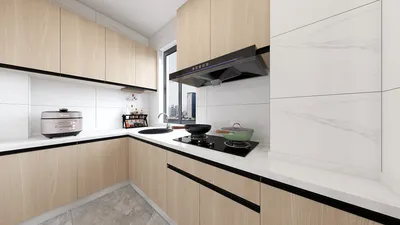


I once worked with a client who envisioned their bathroom resembling a traditional Japanese ryokan, with a focus on wood elements. However, they became concerned when I raised the topic of humidity. We shared a laugh, and through this experience, I learned a lot about adequate sealing and ventilation. Ultimately, it resulted in one of my most cherished compact bathrooms. If you adore the warmth that wood brings but are apprehensive about moisture levels, these bathroom design strategies will assist you in combining aesthetics with practicality, especially when using tools like Homestyler for visualization.
1. Utilize vertical wood slats for warmth and to create an illusion of height
I enjoy incorporating slender vertical slats to enhance the perceived height of a small bathroom; they introduce texture without overwhelming the space. The benefits include a cozy atmosphere and visual elevation, but a challenge remains in moisture management. I typically suggest using engineered slats or sealed timber, along with a powerful exhaust fan for optimal air circulation.
2. Opt for a floating wood vanity that offers hidden storage solutions
A floating vanity not only creates a sense of expanded floor area but also highlights the beauty of the wood grain. It’s both stylish and functional, yet it requires meticulous waterproofing at the junction where the vanity connects to the wall; I once had to adjust plumbing once the unit was mounted to maintain a tidy appearance.
3. Pair matte black fixtures with wood for a striking modern contrast
I frequently combine warm wood tones with sleek matte black faucets and mirrors to achieve a contemporary look. This pairing photographs beautifully; if you’d like to visualize your design before making commitments, 3D rendering tools like Homestyler can alleviate much guessing. However, be mindful of potential fingerprints on matte finishes and strive for harmony to ensure the wood appears organic rather than overly stylized.
4. Incorporate reclaimed wood shelves and niches to add character
Reclaimed wood shelves offer an economical method to inject personality into a space — I once repurposed planks from an old barn for a client's bathroom, which became a delightful conversation starter. It's crucial to inspect for contaminants and properly seal reclaimed materials, but the unique patina and backstory make the effort worthwhile; I also utilize AI design ideas to inspire combinations I might not have otherwise explored.
5. Use wood-like porcelain tiles for peace of mind in wet areas
For those who appreciate the aesthetic of wood yet dread maintenance, wood-look porcelain tiles provide the visual appeal with the durability found in tiles. They are budget-friendly over time and suitable for showers and floors, although they lack the scent and tactile quality of real wood, offering instead remarkable resilience; selecting the right grout and ensuring professional installation are paramount.
FAQ
Q1: Is it feasible to use real wood in a bathroom? Yes, real wood can be used if it is adequately sealed and kept away from direct shower spray. I favor engineered woods or sealed hardwoods for vanities and trim work. Proper ventilation combined with a high-quality sealant is key for longevity.
Q2: Which types of wood are best suited for humid bathrooms? Teak, cedar, and cypress possess natural moisture and decay resistance, making them ideal for wet areas. Although they are more expensive, their longevity often justifies the cost due to reduced replacement needs.
Q3: Is using reclaimed wood in a bathroom safe? While reclaimed wood can inject character, it must be properly cleaned and checked for nails or chemicals, followed by sealing. In one project, kiln-dried reclaimed planks worked exceptionally well after treatment. If uncertain, it’s wise to have a professional inspect and treat the wood.
Q4: Are wood-look tiles a suitable alternative? Absolutely — wood-look porcelain combines the appearance of wood with the reliability of tile and requires minimal upkeep, making it perfect for wet zones. It’s often my go-to solution when clients desire the look of wood without moisture concerns complicating the design process.
Q5: How frequently should wood be resealed in a bathroom? This varies based on usage and materials, but typically, resealing every 2 to 5 years is advisable for trims and shelving, while high-traffic areas may require more frequent attention. Regular assessments for signs of water damage will inform you when action is needed.
Q6: What are the best practices to avoid mold in wood decor? Good ventilation coupled with quick-drying surfaces is essential; an exhaust fan paired with a design that minimizes moisture retention will yield positive results. According to the U.S. Environmental Protection Agency, controlling humidity effectively while ensuring proper airflow can help mitigate moisture-related issues.
Q7: Can wood be safely used inside a shower? I generally advise against exposing real wood to direct water in a shower; instead, opt for wood-like tiles or a small sealed teak bench intended for wet environments. Should you choose to incorporate wood, marine-grade finishes are a necessity, alongside accepting a need for more regular upkeep.
Q8: What budget-conscious wood accents can enhance a bathroom? Begin with floating reclaimed shelves, a wooden-framed mirror, or wooden-inspired floor tiles; these smaller additions create significant style without straining your budget. I often refresh rental bathrooms using just one or two wooden accents for a substantial design boost.
Homestyler is your go-to online home design platform! With its user-friendly design tool, stunning 3D renderings, and a treasure trove of DIY video tutorials, you can effortlessly create and visualize your dream space. Get inspired and start designing today!
지금 무료로 디자인하세요
































