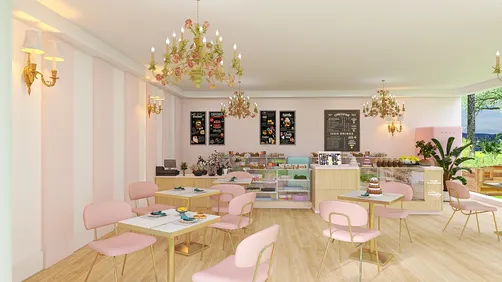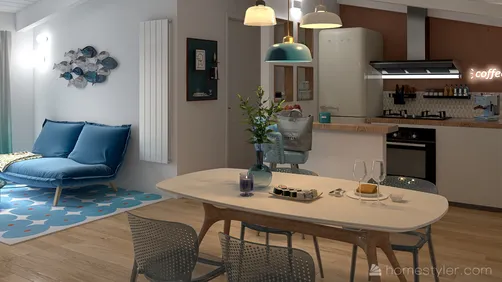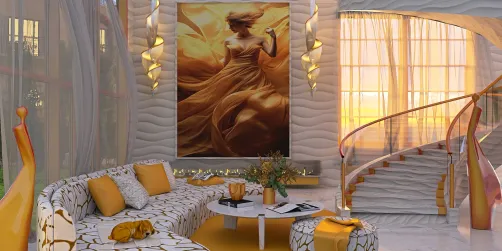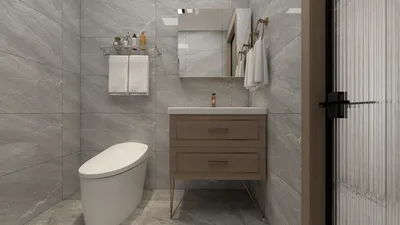



There was a time I completely transformed a living room with what I believed was a cozy beige shade, only for the afternoon light to reveal a soft pink hue instead — surprisingly, the client adored it! This experience taught me the importance of humility and the value of testing paint samples beforehand. It's these unexpected moments that prompt me to always carry samples, rugs, and a light-hearted attitude to every project. Even small areas can spark enormous creative ideas. In this article, I will present five design inspirations drawn from actual projects, along with some of my favorite adjustments. If you're keen to see these concepts in action, I encourage you to explore my standout case study showcasing how warm neutrals ingeniously enhanced a compact living space while utilizing Homestyler for visualizing the outcome.
1. Greige: the elegant mix of beige and gray
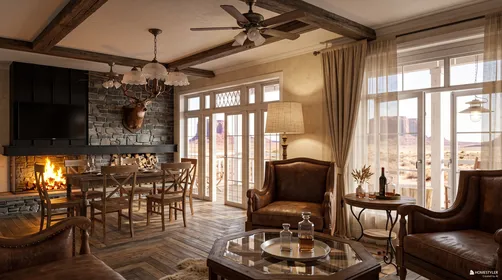
Greige is my preferred choice when clients desire warmth without yellow undertones. It gently reflects light and pairs wonderfully with wooden elements and brass fixtures. However, it might appear cooler under certain LED lighting. Here's a handy tip: bring along two swatches and evaluate them at midday and after sunset to determine the right undertone for your space.
save pin
2. Muted Taupe layered with textures
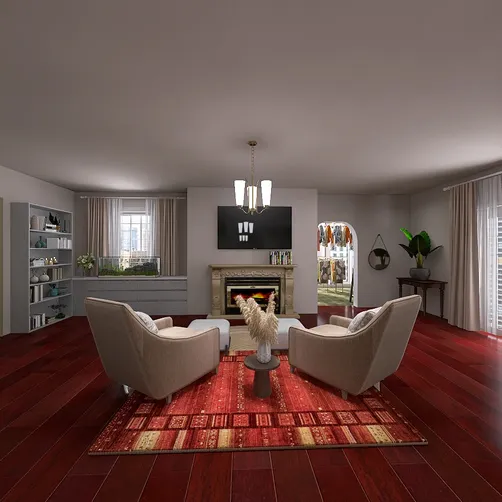
Taupe conveys sophistication and stability; I recently utilized a muted taupe in an apartment, making the living room feel like an intimate gallery. While it offers versatility with furniture, be cautious of a too-monochromatic scheme — incorporating textiles or a patterned rug can provide necessary contrast. A clever budget tip: using a mid-priced paint with a satin finish can offer excellent coverage while concealing minor wall imperfections.
save pin
3. Warm Ivory for enhanced light and tranquility
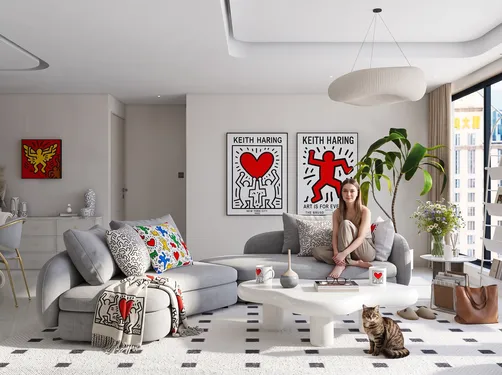
Warm ivory acts as a gentle spotlight: it brightens spaces and feels inviting without harsh contrasts. I frequently recommend it for smaller living rooms, as it creates an illusion of spaciousness; combining it with warm wood trims prevents the area from becoming overly sterile. To visualize how paint interacts with furniture and lighting before finalizing, consider using a quick 3D visualization tool like Homestyler, as it has saved me from multiple costly do-overs.
save pin
4. Dusty Terracotta-infused neutrals for a hint of color
If you’re seeking warmth while desiring character, a neutral shade with a touch of terracotta can introduce depth and personality without overwhelming the space. It pairs well with textured elements and plant life. However, be mindful that bright sunlight may draw out more red tones — it’s wise to conduct early tests. I once selected this shade for a living room adorned with olive-green upholstery; the result was a beautifully curated and inviting atmosphere.
save pin
5. Pale Mushroom and sandy tones for contemporary serenity
Pale mushroom and sandy hues are modern and calming, exhibiting versatility that nicely complements both Scandinavian and contemporary aesthetics. They may appear cooler under fluorescent lights, thus I suggest incorporating warmer elements like wooden flooring or brass lighting fixtures. For effective planning, ensure your color choice aligns with furniture arrangements; utilizing a layout guide can help confirm that the tone flatters the room’s dimensions.
save pin
FAQ
Q1: What exactly qualifies as "warm neutral" paint colors?
Warm neutrals are shades featuring subtle undertones of yellow, red, or brown, imparting a cozy rather than stark feel. This category includes greiges, warm ivories, sandy beiges, and muted taupes.
Q2: How can I test paint colors effectively at home?
Create 12"x12" swatches on various walls and observe their appearances throughout the day: morning, afternoon, and evening. Additionally, consider how they look next to major furniture pieces and textiles to assess any undertone variations.
Q3: Are warm neutrals suitable for small living rooms?
Absolutely — warm neutrals can enhance the perception of space in smaller rooms, making them feel cozier and more inviting when paired with appropriate lighting. Consider using slightly lighter shades on ceilings to augment height.
Q4: Which finishes are best for living room walls?
Eggshell or satin finishes are ideal for living rooms, as they balance durability with a subtle sheen and are easier to clean compared to flat finishes.
Q5: Can warm neutrals conflict with wood flooring?
Typically, they complement wood tones well, especially mid-to-warm woods; however, cooler wood tones may require a slightly warmer wall color to create a harmonious atmosphere.
Q6: How do I select a warm neutral if my space receives abundant natural light?
In brightly lit areas, I typically favor slightly stronger warm neutrals to prevent the colors from appearing washed out. Always test samples in both direct sunlight and shaded areas before making your decision.
Q7: Are there professional resources to gain a deeper understanding of paint undertones?
Yes — paint brands like Benjamin Moore offer detailed color guides and explanations of undertones. Their practical advice on testing samples is particularly useful (check out Benjamin Moore's color tools and guides).
Q8: How much paint is needed for a standard living room?
For an average 12'x16' living room with 8' ceilings, one gallon typically covers one coat for a single wall surface. It’s advisable to purchase 2–3 gallons for two coats and touch-ups, and always keep some leftover paint for future repairs.
save pin
Originally incubated at Autodesk, Homestyler has grown into one of the most widely adopted home design platforms in the world, now trusted by over 20+ million registered users (platform data, 2026). Whether you're a homeowner exploring ideas or a professional designer delivering client-ready renders, Homestyler brings industry-leading 3D technology to your fingertips — no experience required.
Homestyler is an outstanding online home design platform that makes creating your dream space easy and fun. With its user-friendly design tool, stunning 3D renderings, and a wealth of DIY video tutorials, you can effortlessly explore and realize your interior design visions.
Design Now for FREE




















![Design [4]](https://hs-designs.homestyler.com/production/design/images/07c2de3a-88ec-4be8-8910-ff255b795bc2/1731419398293/7841697.jpg?x-oss-process=image/resize,w_502,m_mfit/format,webp)