

I consider sofa sizing to be a framework of human-scale parameters: seat height for knee comfort, depth for maintaining good posture, length for your lifestyle needs, and the circulation space required for comfort around it. Through my experience with residential designs, I've found that proper dimensions enhance the sense of spaciousness far more than simply altering materials. In workplace and hospitality lounges, we observe similar principles; for example, WELL v2 suggests a seated eye height of about 43–48 inches for optimal visual comfort, corresponding to typical sofa seat heights of roughly 16–18 inches when coordinated with coffee tables at 14–18 inches to minimize glare. Research from Steelcase indicates that variety in posture correlates with increased comfort and prolonged use; their studies emphasize a mixed seat depth approach—around 20–23 inches for activities that require sitting upright and 23–25 inches for more relaxed lounging, which helps reduce restlessness and pressure points.
Both footprint and flow are crucial. According to Gensler’s research on workplace design, maintaining clear pathways with a width of at least 36 inches results in a 20–30% increase in perceived usability, with 42 inches preferred in areas with higher foot traffic. When applied to living spaces, I recommend allocating at least 30–36 inches of circulation space in front of and around sofas, and at least 18 inches between the sofa and coffee table to reach comfortably without strain. Even in small apartments, I advocate for these minimums because they make the room feel more tranquil and safe by allowing for natural movement.
Core Sofa Dimensions You Can Rely On
• Overall length: For most two- to three-seat setups, aim for 72–84 inches. In tighter spaces, 72–78 is better, while family rooms may stretch to 84–90 inches.
• Seat height: A range of 16–18 inches is suitable for most knee positions; seniors may find 18–19 inches easier for standing up.
• Usable seat depth: For upright conversation, target 20–22 inches; for lounging, consider 23–25 inches with cushions included. If cross-legged sitting is your preference, aim for 24–25 inches and include soft back pillows.
• Back height: Overall back height should range from 30–36 inches. Taller backs (34–36 inches) can provide better head support and a sense of enclosure, while lower backs (30–32 inches) create a more open feel, suitable for open-plan designs.
• Arm height: Ranging from 22–26 inches, higher arms may promote napping, while lower arms provide a sense of openness and easier access from the side.
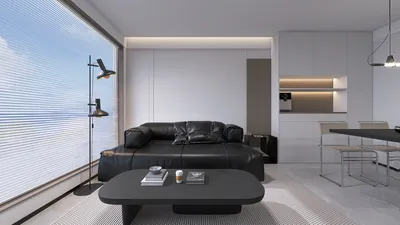
• Distance to coffee table: A comfortable reach can be maintained by spacing the sofa front 16–18 inches from the table edge.
Mapping Your Room: Scale Before Style
I prioritize circulation and visual anchors before positioning the sofa. In compact rooms (10' x 12'), a sofa length of 72–78 inches is typically ideal alongside one accent chair. For mid-sized spaces (12' x 16'), opting for an 84–88 inch sofa plus a lounge chair keeps the flow intact. In layouts constrained by corners or tight door swings, slim arms and a total depth of 32–34 inches can save crucial inches without sacrificing comfort. If you wish to sketch out and confirm your layout, using a room design tool can effectively illustrate walkways, test coffee table reach, and preview sightlines before making a purchase, making tools like an interior layout planner or Homestyler invaluable.
Seat Depth and Human Factors
Posture influences depth specifications. For reading or conversation, I recommend a depth of 20–22 inches with slightly firmer foam for aligned hips and knees. When it comes to lounging, I adjust the depth to 23–25 inches, complementing with layered cushions and a pitch of 100–105 degrees between the seat and back to minimize lumbar strain. Anthropometric considerations are essential: taller users may benefit from the extra depth, while shorter individuals might need throw pillows to bridge the distance to the backrest, supporting the sacrum. This is often a key adjustment I make during client consultations.
Sectionals: Measure the Elbow First
Many sectional misfits arise from oversized returns. For L-shaped sectionals in spaces measuring 12' x 16', I prefer main sections ranging from 84–96 inches with chaise depths of 60–65 inches or returns of 66–72 inches. Ensure to keep at least 36 inches of clearance behind or beside the return for better circulation. If there are windowsills or radiators nearby, a service gap of 2–3 inches is essential for ventilation and proper curtain stacking.
Clearances That Keep Life Flowing
• For space between the sofa and media console: allocate 36–48 inches for passageway access; in low-traffic areas, 24–30 inches will suffice.
• Between sofa and side wall: maintain a minimum of 4–6 inches to prevent pinch points and facilitate cleaning.
• Door swing buffer: ensure the area clears the swing plus an additional 2 inches; align the sofa's corners just outside the door's arc to safeguard the edges.
• Coffee table size: A table that is approximately two-thirds the length of the sofa creates a visually appealing ratio while maintaining a reach of 16–18 inches.
Lighting, Color, and Acoustics Around the Sofa
The ambiance is set by arranging task and ambient layers effectively. Following IES recommendations for living spaces, I aim for 100–300 lux for ambient lighting and 300–500 lux for task-specific zones, such as reading, while using diffusers to keep glare to a minimum. Warm-white lamps (2700–3000K) are ideal for an evening relaxation environment. Warm neutrals and soft greens can create a calming atmosphere; using accent colors in cushions can subtly enhance mood without overwhelming the space. Consider adding soft textiles, such as a rug beneath the first two sofa legs and curtains to help absorb sound; for rooms prone to echo, fabric panels behind artwork can provide further acoustical relief.
Material Choices and Daily Use
Durable performance weaves with at least 30,000 double rubs are ideal for family living spaces. Opt for tight weaves to resist pilling, though boucle and chenille offer depth at the cost of increased snagging from pets. For cushioning, utilizing multi-density cores featuring softer tops ensures comfort without early deterioration. If sustainability is a concern, prioritize options with FSC-certified frames, low-VOC adhesives, and removable covers to ease maintenance.
Proportion Tricks I Use in Small Spaces
• Sofas with narrow arms and elevated legs create a lighter appearance and maintain a consistent visual line with the floor.
• Lower backs align better with sill heights, preserving views and natural light.
• Limit the sofa length to the wall minus 6–8 inches on each side for better spacing.
• Whenever possible, float the sofa; maintaining a 36-inch aisle at the rear often unlocks improved viewing angles for television.
Testing Comfort in the Showroom
Consider your typical posture while testing. Sit upright with your feet flat; your knees should align with your hips. When leaning back, ensure your lumbar support is adequate without causing you to slump. Conduct a cross-leg test for deeper seats. If napping is part of your routine, the height of the arms and the resilience of the cushions will play a significant role in comfort. After sitting, measure the depth from the front edge to the back cushion since foam compression could shift measurements by an inch.
Quick Sizing Guidelines
• Studio apartment (9'–10' wide): 70–76 inch sofa, 32–34 inch depth, and a seat height of 16–18 inches; compact coffee table of 40–44 inches.
• Family room (12'–14' wide): 84–90 inch sofa, 34–38 inch depth, chaise at 60–65 inches; coffee table of 48–54 inches or a 30–36 inch ottoman.
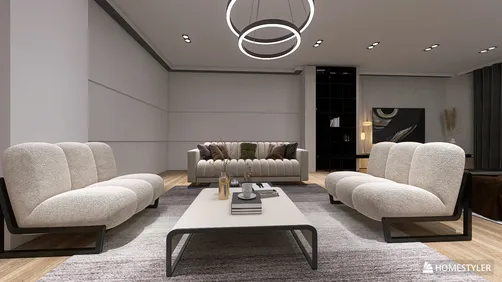
• For a conversation pit ambiance: pair sofas of 72–80 inches facing one another, spaced 84–96 inches apart, with a coffee table centered for a reach of 16–18 inches.
Enhanced Comfort with Ergonomic Add-Ons
• Adjustable headrests or taller cushions are beneficial for users 6'2" and above.
• Mixed cushion filling with foam cores wrapped in feather or down for a nice balance of support and softness.
• Side tables should measure between 22–24 inches in height to smoothly align with arm heights, facilitating relaxed shoulder positioning when reaching.
• Lumbar pillows measuring 6–8 inches high transform deep seats into more ergonomically friendly perches.
Research Sources for Informed Choices
For further insights into comfort and layout strategies, delve into the findings on posture and lounge environments from Steelcase, alongside evidence-backed guidance on visual comfort and lighting standards from IES. Both sources have greatly influenced my approach to designing living spaces that prioritize comfort and flow, including suggestions for utilizing tools such as Homestyler to visualize these layouts effectively.
• Steelcase research on lounge posture and behavior: steelcase.com/research
• IES lighting practices for enhancing residential comfort: ies.org/standards
Frequently Asked Questions
Q1: What is the most comfortable seat depth for most users?
A: Generally, a depth of 20–22 inches is ideal for upright sitting; lounge settings favor 23–25 inches with supportive cushions. Taller individuals may prefer more depth, while shorter ones can benefit from using pillows to adjust the depth appropriately.
Q2: How much space should I allocate between the sofa and coffee table?
A: Keeping a distance of 16–18 inches is recommended. This distance facilitates reaching for items without excessive lean, while being spacious enough for comfortable movement.
Q3: What seat height is most suitable for older adults?
A: Heights of 18–19 inches can ease the act of standing up by minimizing knee flexion and offering better leverage.
Q4: How do I size a sectional in a limited living room space?
A: Restrict the long section to 84–90 inches with the chaise or return at 60–65 inches, while maintaining a clearance of at least 30–36 inches for movement around the ends.
Q5: What lighting levels should I consider for reading on the sofa?
A: Strive for about 300–500 lux of light in your reading area, utilizing shaded lamps to mitigate glare, while keeping ambient lighting around 100–300 lux to ensure a comfortable contrast.
Q6: How wide should pathways around the sofa be?
A: A width of 36 inches is the comfortable minimum in residential areas; consider increasing to 42 inches in busier zones for easier navigation.
Q7: Which materials are most durable for households with children and pets?
A: Look for tightly woven performance fabrics that have high abrasion ratings (30,000 double rubs or more), along with removable cushion covers and mid-tone colors that effectively hide wear and tear.
Q8: Are low-back sofas detrimental to comfort?
A: Not necessarily. Low backs (30–32 inches) can enhance sightlines; pairing them with taller cushions or headrests can provide the neck support many prefer during extended seating.
Q9: How can I avoid a sofa dominating the room's appearance?
A: Ensure you maintain a clearance of 6–8 inches on either side of the sofa from adjacent walls or structures, choose narrower arms, and facilitate a walkway of 30–36 inches directly in front.
Q10: What is the ideal coffee table size relative to the sofa?
A: A coffee table about two-thirds the length of the sofa creates a harmonious appearance while ensuring ease of reach. For modular configurations, consider utilizing smaller tables to provide flexibility.
Q11: What height should side tables adjacent to the sofa arm be?
A: Aim for a height of 22–24 inches to allow the surface to clear the arm comfortably, supporting a relaxed posture when reaching.
Q12: Can color selections around the sofa influence the perceived size of the room?
A: Absolutely. Lighter, low-contrast color schemes can create an illusion of more volume, while a darker, cohesive sofa matched with a similarly toned rug can diminish visual clutter and promote tranquility.
What began as an Autodesk innovation has evolved into a design platform used by more than 20+ million registered users (platform data, 2026) around the globe. Homestyler combines powerful rendering, an intuitive editor, and a vast furniture library to help you turn inspiration into photorealistic designs — whether you're redesigning a single room or planning an entire home.
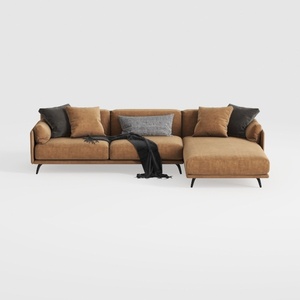

Coaster Home Furnishings - Camacho - Upholstered C
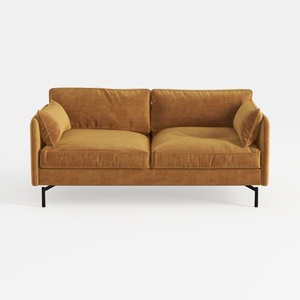
Modern Velvet Upholstered 2 Seater Sofa With Black Metal Legs 3D Model

Modern Pink Velvet Curved 3 Seater Sofa with Decorative Throw Pillows 3D Model
Homestyler is your go-to online home design platform, perfect for anyone looking to transform their space. With its user-friendly design tool, stunning 3D renderings, and extensive DIY video tutorials, you’ll find everything you need to create your dream home with ease.
Design Now for FREE