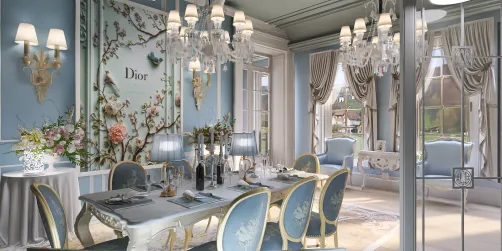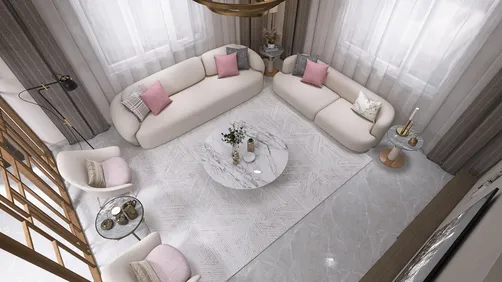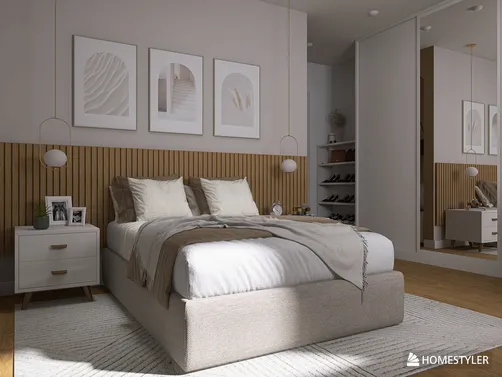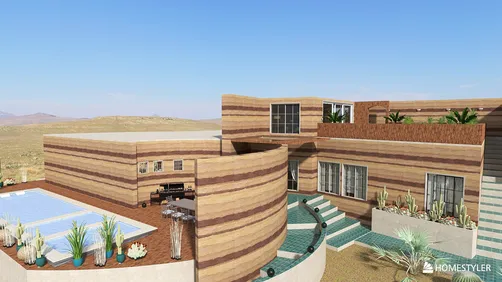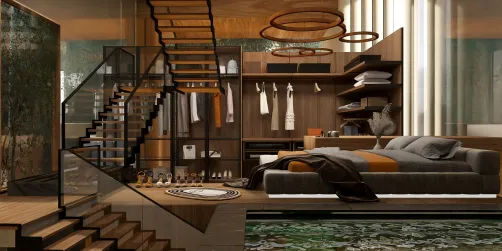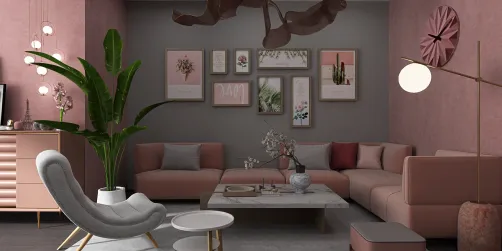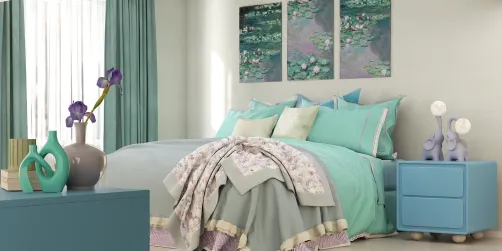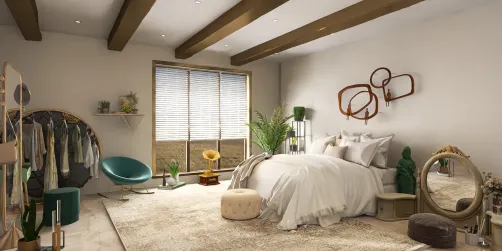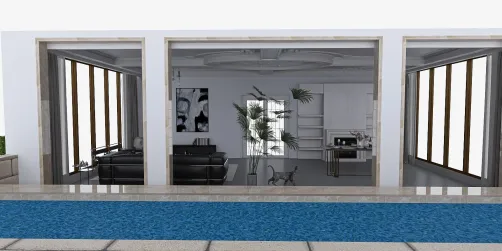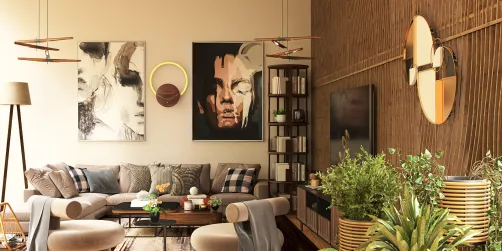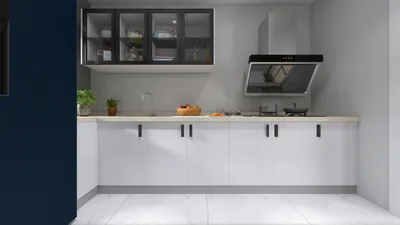
Slum housing initiatives play a vital role in urban growth, underscoring the demand for cost-effective and eco-friendly living options. Leveraging 3D renders can help us visualize potential enhancements in these areas, emphasizing functional design and optimal space utilization in projects powered by tools like Homestyler.
Addressing the Challenges of Slum Housing
Areas classified as slums often endure a multitude of issues, including overcrowding, insufficient basic services, and poor infrastructure. By adopting 3D rendering technology, architects and planners can devise models that effectively tackle these challenges.
Advantages of 3D Rendering in Housing Development
Utilizing 3D renders provides numerous benefits, including:
Creative Approaches to Slum Housing Solutions
Incorporating creative strategies can significantly improve slum housing schemes. Consider the following innovative concepts:
Successful Case Studies of 3D Modeled Slum Housing
Various initiatives globally have successfully employed 3D modeling to convert slum environments into viable living spaces. These case studies offer valuable insights for future projects that can utilize platforms like Homestyler.
Common Inquiries
Q: In what ways can 3D rendering enhance slum housing initiatives? A: 3D rendering improves design visualization, encourages community involvement, and aids in crafting sustainable strategies.
Q: What primary obstacles exist in the design of slum housing? A: Fundamental challenges encompass restricted space, lacking infrastructure, and the necessity for affordable building materials.
Discover the Leading Home Design Application