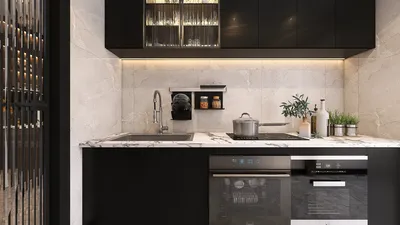
In the realm of kitchen design, traditional non-modular kitchens hold a cherished significance for many Indian families. These unique kitchens not only showcase cultural heritage but also offer functionality that aligns with the everyday cooking requirements. Let’s explore some stunning traditional kitchen designs that seamlessly combine aesthetics with practical utility, including how integrating tools like Homestyler can elevate your design process.
H2: Key Features of Traditional Non-Modular Kitchens
Traditional non-modular kitchens are distinguished by their unique attributes that resonate deeply with cultural importance. Here are the primary elements that define them:
Wooden cupboards are fundamental in traditional kitchens. The rich textures and warm hues of hardwoods contribute a cozy atmosphere. Choosing handcrafted styles with detailed carvings can further enhance the visual charm.
The allure of natural materials is incomparable. Using terra cotta and stone for flooring provides not only aesthetic appeal but also extraordinary durability, keeping the kitchen cool during the sweltering summer months—a pragmatic feature for Indian homes.
H2: Common Layouts for Traditional Kitchens
There are several layouts that can be effectively used in traditional kitchens, depending on household space and cooking habits. Here are a few widely favored configurations:
The galley layout is particularly suited for smaller kitchens, offering plenty of workspace without creating a cluttered feel. It facilitates a smooth workflow between areas designated for cooking, cleaning, and serving.
Ideal for larger families, the U-shaped layout maximizes both storage and counter area. This arrangement promotes family engagement, making the kitchen a vibrant hub of the home.
H2: Design Ideas for Traditional Kitchens
To fully embody the spirit of a traditional kitchen, consider these design ideas:
Integrate vintage cookware, ceramic jars, and brass utensils as decorative accents. Not only do these items enhance visual attractiveness, they also evoke a sense of nostalgia.
Incorporate traditional Indian motifs into your textiles, such as tablecloths or curtains. Floral patterns and paisley designs can introduce an element of elegance and authenticity to the space.
H2: Conclusion
Traditional non-modular kitchens provide a harmonious blend of functionality and cultural significance. By selecting suitable materials, layouts, and decor, you can craft a kitchen that is both practical and rich in heritage. Utilize design tools like Homestyler to visualize your ideas and transform your cooking space into one that fosters cherished memories.
FAQ
Q: What benefits do traditional non-modular kitchen designs offer? A: These kitchens encourage personalization and creative expression. They can be customized to match your specific needs and preferences, resulting in a truly unique space.
Q: How can I create an illusion of space in a small traditional kitchen? A: Opt for lighter colors for your walls and cabinetry, and consider adding mirrors to enhance the perception of space. Effective storage solutions can also help maintain an organized and tidy kitchen.
Discover over 10,000 free home design ideas today!















![Design [4]](https://hs-designs.homestyler.com/production/design/images/07c2de3a-88ec-4be8-8910-ff255b795bc2/1731419398293/7841697.jpg?x-oss-process=image/resize,w_502,m_mfit/format,webp)