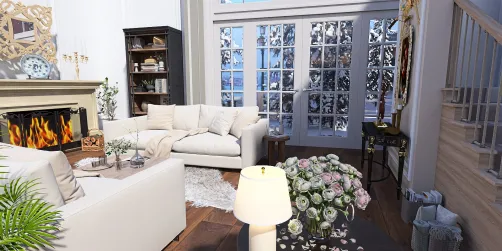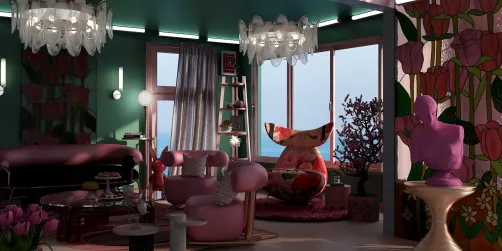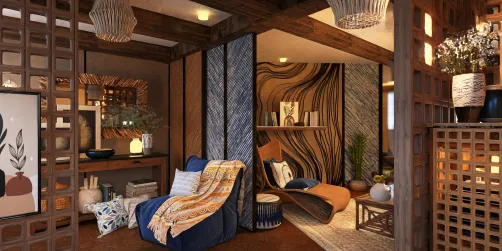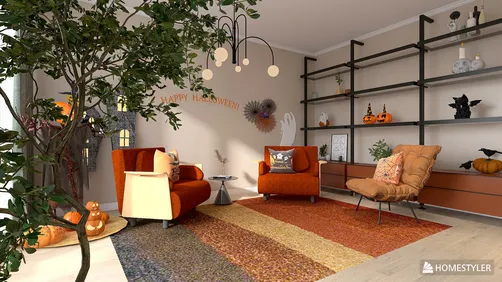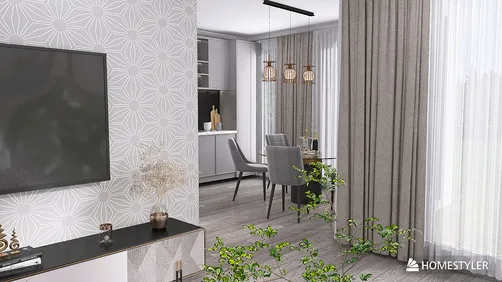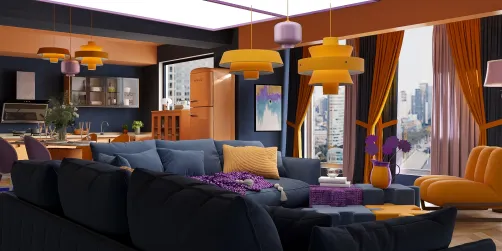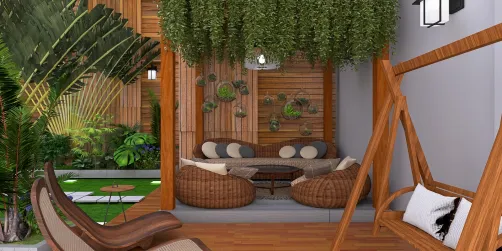
In recent years, the shabby chic style has been making a subtle yet consistent resurgence in living room decor. Soft color schemes, vintage treasures, and inviting textiles are trending on platforms like Pinterest, and I’m genuinely thrilled about it. This aesthetic is particularly well-suited for smaller spaces, as it emphasizes layers, textures, and personal touches over sheer square footage. In this piece, I will share ten of my top shabby chic decorating tips for living rooms, all inspired by my own projects and the current trends in the design sector, including insights from tools like Homestyler.
White-Washed Wooden Furniture
My Insight: I once gave a client's weary coffee table a new life with a coat of whitewash; the change was immediate and delightful. This technique is one of the quickest ways to infuse that weathered, ethereal charm typical of shabby chic.
Benefits: It boosts light reflection, making a compact living room appear more spacious. Additionally, it pairs beautifully with floral fabrics and contemporary accents, providing flexibility in decor options.
Drawbacks: The finish may chip if not properly sealed, which is acceptable for those who appreciate a distressed look but may disappoint those preferring a sleek finish.
Tip: To maintain the soft texture, apply a matte water-based sealer.
Floral Slipcovers and Cushions
My Insight: In my own living space, changing dark upholstery for light pastel floral slipcovers instantly brightened the atmosphere. It’s an affordable and renter-friendly solution.
Benefits: They’re easy to switch out with the seasons, machine washable, and they effortlessly add shabby chic charm with minimal effort.
Drawbacks: Overuse of patterns can be overwhelming, so it's crucial to balance these with solid neutral colors.
This strategy works especially well when you mix various patterns and textures to create visual depth.
Distressed Antique Cabinets
My Insight: A flea market cabinet with a naturally aged paint finish became the centerpiece of one of my client's small living rooms, serving both as storage and a statement piece.
Benefits: They add personality, offer storage solutions, and often come with historical tales that spark conversation.
Drawbacks: Older cabinets might need repairs to function correctly or to eliminate musty odors.
Cost Estimate: Anticipate spending between $100 and $500 based on rarity and condition.
Lace Curtains for Soft Light
My Insight: One summer, I added lace curtains to a north-facing room, and the soft light transformed it into a dreamy retreat.
Benefits: They gently diffuse sunlight, providing a romantic softness and pairing well with layered window treatments.
Drawbacks: They offer limited privacy at night without the addition of heavier drapery.
Neutral Base with Pastel Accents
My Insight: A neutral gray sofa with pastel throws became the grounding element of a multi-textured shabby chic living room I designed for a young couple.
Benefits: Neutral shades maintain a peaceful ambiance, while pastel accents introduce life without feeling excessive.
Drawbacks: The room may appear dull without adequate texture to enliven it.
To visualize this balance effectively, consider layouts such as an open seating arrangement with versatile areas.
Layered Textiles (Rugs, Throws, and Pillows)
My Insight: In a compact studio, layering a jute rug underneath a floral cotton mat instantly warmed up the space.
Benefits: They provide tactile depth, enhance warmth, and cultivate a lived-in ambiance that defines shabby chic.
Drawbacks: Regular cleaning is necessary since multiple fabrics can trap more dust.
Mix of Vintage and Repurposed Decor
My Insight: A client brought her grandmother’s mirror, and we revitalized the frame with chalk paint — merging cherished memories with modern flair.
Benefits: It’s eco-friendly, distinctive, and budget-conscious.
Drawbacks: Without a cohesive plan, mixing styles can lead to visual clutter.
Botanical Prints and Artwork
My Insight: Displaying vintage botanical prints above a linen sofa made a narrow wall in the living room appear taller and more complete.
Benefits: They have a timeless appeal, linking the interior to nature, and complementing floral patterns beautifully.
Drawbacks: Can feel outdated if the framing and matting aren’t thoughtfully chosen.
Soft Lighting with Chandeliers
My Insight: I placed a small crystal chandelier over a client's reading nook — it added instant romance and a soft glow.
Benefits: It creates ambiance, serves as a focal point, and can be used with dimmers for mood customization.
Drawbacks: In older homes, it may require ceiling reinforcement or rewiring.
For inspiration on vintage lighting, I often refer to examples of layered lighting in traditional interiors to strike a balance between functionality and charm.
Upcycled Trunks as Coffee Tables
My Insight: An old travel trunk became both a coffee table and blanket storage in my friend's shabby chic abode, epitomizing functional nostalgia.
Benefits: They are multifunctional, offer storytelling elements, and help free up closet space.
Drawbacks: These pieces can be cumbersome to move when cleaning.
Conclusion
For me, small living rooms do not restrict creativity — they enhance it. The essence of shabby chic lies in its celebration of character, textures, and imperfections. According to Architectural Digest, layered personal touches are gaining traction in 2024, making this style more relevant than ever. Which of these ten shabby chic decorating ideas for living rooms would you be excited to try out in your own home?
FAQ
1. What characterizes shabby chic style in a living room?
It’s a fusion of vintage charm, worn finishes, soft hues, and layered textiles that create a cozy, romantic atmosphere.
2. Can shabby chic be suitable in a modern apartment?
Absolutely. When balanced with clean lines, shabby chic accents can introduce warmth without overpowering a contemporary environment.
3. How do I select the right pastel colors?
Opt for muted shades such as dusty rose, sage green, and pale blue—they blend beautifully with neutral backdrops.
4. Are distressed furniture pieces durable?
Yes, when properly treated and maintained. The vintage look can disguise minor wear and tear over time.
5. What’s the budget range for a shabby chic makeover?
Starting from as little as $200 with DIY options, up to several thousand for bespoke furnishings and antiques.
6. Is it necessary for shabby chic decor to consist entirely of vintage pieces?
No. Mixing vintage with newer items ensures durability and prevents the design from resembling a staged set.
7. How can I prevent a small shabby chic living room from feeling cluttered?
Limit the number of oversized furniture items and focus on multifunctional pieces, such as storage ottomans.
8. Where can I plan my living room layout prior to purchasing furniture?
You can utilize design tools, similar to those available in Homestyler, to visualize arrangements and avoid costly errors.
Homestyler is your go-to online home design platform! With its user-friendly design tool, stunning 3D renderings, and a wealth of DIY video tutorials, you can effortlessly create and visualize your dream spaces. Start transforming your home today!