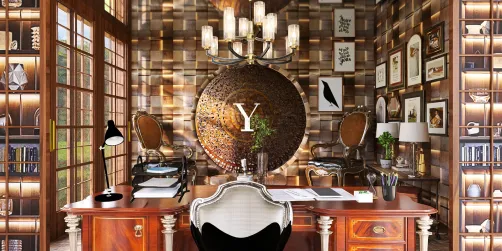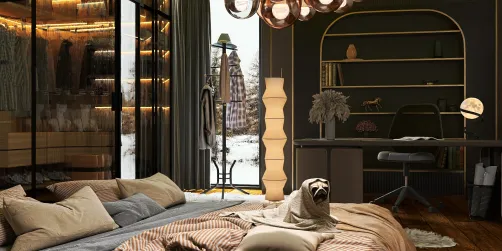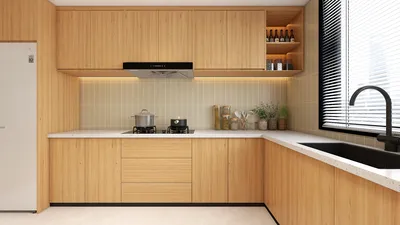



Having spent over ten years crafting inviting yet practical homes, I’ve observed how contemporary interior design trends embrace sleek lines, layered lighting, and efficient use of space. Living rooms, even when compact, can become canvases for significant creativity—with a few clever strategies. Today, I’m excited to unveil my top 10 recessed lighting concepts for living rooms, merging my experiences with clients and expert insights to inspire you to rethink your space and how tools like Homestyler can assist in visualization.
Minimalist Grid Pattern
In a past project, I transformed a 20㎡ living room for a client seeking tranquility and order. By arranging the recessed lights in a precise grid, I gave the ceiling a deliberate look while maintaining a clutter-free environment.
A minimalist arrangement is an ideal match for modern and Scandinavian styles. It ensures a uniform distribution of light, fostering a serene atmosphere that effortlessly highlights elegant coffee tables or subtle sofas.
However, it may feel overly uniform without the addition of accent fixtures, and some clients may desire a bit more drama in their lighting.
To enhance depth and break the monotony, complement this setup with a striking floor lamp.
Wall Wash Effect
In a loft renovation, using wall-washing recessed lights illuminated textured concrete walls beautifully at night, providing a gallery-like ambiance.
This effect is superb for showcasing art or textured surfaces; the light softens as it fills the room, reducing glare.
Nevertheless, precise aiming is crucial—if misaligned, these fixtures can produce irregular patches of light that detract from the overall effect.
Cove Lighting Integration
By merging recessed lights with a cove ceiling, I created a floating, calming effect in a client’s reading nook.
This method enhances depth and dimension, seamlessly blending ambient and indirect lighting.
On the downside, custom ceiling work can increase costs, and retrofitting in existing ceilings may prove challenging.
Accent Beam to Highlight Furniture
A focused recessed beam above a mid-century lounge chair transformed it into a sculpture at night, instantly shifting the room's atmosphere with a warm pool of light.
This technique quickly establishes focal points, making it perfect for highlighting standout furniture or plants. Studies suggest that task accent lighting can raise a room's perceived value by up to 15%.
Yet, careful positioning is essential; otherwise, it may resemble a spotlight cast in a less flattering manner.
For further inspiration, see how wood textures can enliven a cozy reading corner.
Dim-to-Warm Technology
Clients appreciate the ability to adjust brightness from bright white to soothing candlelight warmth. This flexibility is a game-changer for transitioning from work to unwind.
It’s adaptable to different times of day and activities, and it’s energy-efficient when used with LED lights.
However, it tends to be pricier than standard recessed fixtures and might necessitate compatible dimmers.
Layered Zones
In open-concept living spaces, I often devise independent lighting zones, such as one for the TV wall and another for the sofa—each controllable separately.
This approach allows you to customize the ambiance while conserving energy by illuminating only what’s necessary.
Nevertheless, implementing this can complicate planning and wiring, so foresight is essential before ceiling modifications.
Look at examples of L-shaped layouts that optimize usable wall space alongside intelligent lighting zoning.
Recessed Lighting in Bookcase or Niche
One of my beloved touches is installing small recessed lights in shelving to illuminate books and collectibles without the need for additional lamps.
This adds charm, doubles as gentle night lighting, and makes shelves visually pop.
Careful heat management is crucial, especially without LEDs, and initial wiring in built-ins can be quite tricky.
Perimeter Glow
Placing recessed lights near the walls creates an illusion of a larger and taller room—a favorite trick of mine in smaller apartments.
This method produces a halo effect, minimizing shadows in corners and enhancing the room’s spaciousness.
On the flip side, drastic changes in furniture placement may cast unwanted shadows.
Statement Ceiling Shapes with Recessed Accents
In a project featuring a striking hexagon ceiling detail, I strategically installed recessed lights to accentuate both drama and symmetry.
This approach draws attention to unique architectural features, marrying aesthetics with practicality.
However, this setup is most effective in rooms with high ceilings or distinct ceiling elements—it’s not suitable for plain drywall designs.
Design enthusiasts frequently pair this with wooden accents to inject warmth into adjacent areas for cohesive design.
Smart Home Controlled Lighting
There’s nothing quite like tapping your smartphone to establish a perfect movie night setting. Smart recessed lights make this effortless.
Convenient, capable of energy tracking and remote management, these lights cater to those who appreciate tech integration.
Nonetheless, they rely heavily on stable Wi-Fi connections, and initial setup, including app management, can be intimidating for those not familiar with technology.
Conclusion
In conclusion, whether your living room is cozy or expansive, it's not a limitation—it presents a chance to design purposefully. As highlighted by the American Lighting Association, layered and flexible lighting can dramatically alter the mood and functionality of a space. Which recessed lighting idea are you eager to implement first with the support of tools like Homestyler?
FAQ
1. What is the most effective layout for recessed lighting in a small living room?
Aim to use perimeter lighting alongside a couple of focal points. This combination balances brightness and minimizes glare. The American Lighting Association recommends blending ambient with task lighting for the optimal outcome.
2. How far should recessed lights be spaced in a living room?
Typically, the guideline is to space them 4 to 6 feet apart for 8-foot ceilings, adjusting as necessary based on room dimensions and brightness preferences.
3. Is it possible to install recessed lights without attic access?
Absolutely, slim LED recessed lights can be fitted directly into drywall with minimal space required.
4. Are LED recessed lights superior to halogen?
Indeed, LEDs offer better energy efficiency, remain cooler to the touch, and boast a longer lifespan. According to ENERGY STAR, they can result in savings of up to 85% compared to incandescent bulbs.
5. What color temperature is optimal for living rooms?
A range of 2700K to 3000K warm white is best for creating cozy and inviting atmospheres.
6. How can I effectively use recessed lighting to highlight artwork?
Utilize adjustable gimbal fixtures directed at a 30° angle to minimize glare and shadows.
7. Can recessed lighting be dimmed?
Yes, but it’s important to ensure both the fixtures and dimmers are compatible.
8. Should recessed lighting serve as the sole light source in my living room?
No, it’s advisable to supplement recessed lighting with floor lamps, sconces, or accent lights for a well-rounded illumination strategy.
Built on technology originally developed at Autodesk, Homestyler empowers anyone to design beautiful, realistic spaces in minutes. Join over 20+ million registered users (platform data, 2026) who have already discovered a smarter way to plan, visualize, and bring their dream homes to life — all from the comfort of a browser.
Discover your dream space with Homestyler! This user-friendly online design platform offers an intuitive design tool, stunning 3D renderings, a wealth of inspiring design projects, and helpful DIY video tutorials. Transform your ideas into reality with ease and creativity, no matter your experience level!
Design Now for FREE





















![[For dear Adelina madee 🤎]](https://hs-designs.homestyler.com/production/design/images/8a07e535-9cbc-4132-a42a-5932dac3a112/1706972286037.jpg?x-oss-process=image/resize,w_502,m_mfit/format,webp)