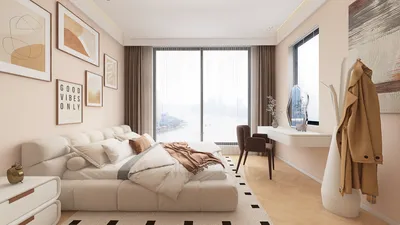


In recent years, the popularity of open-concept living has significantly soared in the realm of interior design, and this trend is well-founded. Having transformed numerous combined dining and living areas, I've discovered that petite spaces can often inspire grand ideas. In this article, I will share ten decorating inspirations that intertwine style with practicality—drawing from my personal experiences and supported by reputable design sources, while also incorporating the advantages of tools like Homestyler to visualize these changes.
1. Use Minimalist Wall Colors to Create a Seamless Flow
My Perspective: I once enhanced a 30㎡ apartment where the dining area seamlessly transitioned into the living room. By employing a uniform, soft neutral color scheme, the area felt significantly more expansive.
Advantages: Minimalist wall hues foster visual cohesion, amplify natural light, and allow furniture to stand out—these are design principles frequently endorsed by The Interior Design Institute. This method is ideal for crafting small dining and living room decor.
Disadvantages: If executed poorly, the area may appear dull. Incorporating accent textures or artwork is essential to steer clear of a 'showroom' vibe.
Suggestion: Incorporate diverse fabrics like linen drapes and woven carpets to infuse warmth into the space.
2. A Striking Light Fixture Above the Dining Table
My Insight: A striking pendant light can immediately delineate the dining area within an open layout. In one instance, a sculptural brass chandelier became the room's ‘jewelry’ and a focal point.
Benefits: It visually anchors the dining area and can serve as an engaging conversation starter.
Drawbacks: Size matters—too large and it dominates the space, too small and it loses its effectiveness.
Example: Merging a standout light fixture with minimalist kitchen storage adjacent to your dining area can elevate both aesthetics and functionality.
3. Choose Multi-Functional Furniture
My Experience: I regularly recommend extending dining tables or storage ottomans with hidden compartments. These solutions are invaluable when entertaining guests in compact apartments.
Advantages: It optimizes space, accommodates flexible living arrangements, and minimizes clutter.
Drawbacks: Quality items can be on the expensive side, while cheaper alternatives may not hold up to regular use.
Tip: Prioritize timeless designs to ensure you remain fond of them for years to come.
4. Use Area Rugs to Define Different Spaces
My Insight: Placing an area rug beneath the dining set and another in the lounge can distinguish different zones without actual barriers.
Advantages: Adds texture, color, and acoustic benefits, while subtly delineating each space.
Drawbacks: Rugs in dining areas can be challenging to clean, particularly with children or pets around.
Tip: Opt for flat-weave rugs or performance materials for easier upkeep.
5. Incorporate Glass Elements for Light and Openness
My Perspective: In a narrow urban loft, I substituted a solid divider with a frosted glass wall between the dining and living areas. The outcome was a lighter and more open atmosphere.
Advantages: It allows light to permeate, enhances compact layouts, and can complement various styles.
Disadvantages: More frequent cleaning is necessary to remove smudges or fingerprints.
Tip: Frosted or tinted glass can ensure privacy while still allowing light to flow—similar to how glass backsplashes can make kitchens feel roomier.
6. L-Shaped Layout to Optimize Open Corners
My Approach: I've frequently utilized an L-shaped setup—placing a sofa against one wall while tucking the dining table into an adjacent corner—to free up space in the center of the room.
Advantages: It promotes smooth transitions between different activities while maintaining clear pathways.
Disadvantages: Overly decorated walls or clutter can create a boxed-in feeling.
Tip: Ensure some negative space on the walls to maintain an airy appearance.
7. Incorporate Wood Accents for Natural Warmth
My Insight: From walnut dining tables to oak shelving, wooden accents can provide a comforting balance to modern designs.
Advantages: Adds tactile warmth, pairs beautifully with metal or glass, and develops a charming patina over time.
Disadvantages: Natural wood often requires extra care to avoid wear or staining.
Tip: Even a few wooden elements can drastically soften a stark environment, creating a cozier atmosphere.
8. Utilize Built-In Shelving for Effortless Storage
My Experience: I created a living-dining wall unit that included a wine cabinet, display shelves, and a TV console—crafted to look built-in while saving extensive space.
Benefits: Tailorable to your needs, maximizes vertical storage, and allows for integrated lighting.
Drawbacks: Often necessitates professional carpentry, which could incur significant costs.
Tip: Plan for integrated lighting during the installation phase for the best results.
9. An Art Gallery Wall Connecting Both Zones
My Approach: A combination of various frames and artworks can seamlessly connect the dining and living areas. I have applied this technique in my home to harmonize different styles.
Advantages: Personalizes the environment, adds visual interest, and can be refreshed with the seasons.
Drawbacks: Excessive crowding may create a chaotic feeling rather than a curated look.
Tip: Choose a consistent color for frames or a cohesive theme in artwork for harmony.
10. Incorporating Greenery for a Vibrant Atmosphere
My Insight: Adding plants can instantly rejuvenate any living or dining area. A tall fiddle-leaf fig can beautifully accentuate a corner space.
Advantages: Enhances air quality, introduces biophilic elements, and softens rigid lines.
Disadvantages: Some plants require considerable care; neglect can render them wilted and unruly.
Tip: Opt for low-maintenance varieties like snake plants if your lifestyle is hectic.
In Conclusion
Confined dining and living rooms do not present limitations—instead, they create opportunities for innovative and pragmatic design decisions. Studies from Houzz indicate that multifunctional layouts are increasingly favored for compact homes. Which of these suggestions for decorating your dining and living space would you choose to implement first?
FAQ
1. What are the optimal colors for a compact dining and living space?
Neutral tones such as soft beige, warm gray, or off-white can foster a more expansive ambiance.
2. How can I incorporate storage without making the area feel congested?
Consider built-in shelving or multi-functional furniture; this strategy is encouraged by The Interior Design Institute.
3. Is it acceptable to mix styles between my dining and living areas?
Certainly, but ensure some elements connect, such as shared colors or materials.
4. What type of flooring is ideal for a combined dining and living space?
Continuous wood or laminate flooring keeps the environment cohesive, with rugs helping to define distinct areas.
5. How do I select the perfect lighting?
Choose statement lighting for the dining area alongside layered lighting in the living space.
6. Can greenery truly make a significant difference?
Definitely! Plants infuse freshness and vibrancy into the space; low-maintenance options are excellent for bustling households.
7. Should I incorporate partitions in a small dining-living space?
Light partitions, like frosted glass, can provide separation without completely enclosing the area.
8. What is the most economical approach to enhance the overall appearance?
A fresh coat of paint, new rugs, and strategic furniture rearrangement can yield a substantial impact at a minimal cost.
Originally incubated at Autodesk, Homestyler has grown into one of the most widely adopted home design platforms in the world, now trusted by over 18 million users. Whether you're a homeowner exploring ideas or a professional designer delivering client-ready renders, Homestyler brings industry-leading 3D technology to your fingertips — no experience required.
Homestyler is your go-to online home design platform, offering an easy-to-use design tool and stunning 3D renderings. Explore a variety of inspiring design projects and learn through engaging DIY video tutorials. Transform your space effortlessly with Homestyler today!
今すぐ无料でデザイン
































