I still chuckle when I recall the time a client requested a fan that not only looked like a chandelier but also effectively cooled the room. This led to a creative hybrid design, and we both gained valuable insights. The details selected for the ceiling can dramatically transform the overall ambiance, which is why I always begin by outlining the kitchen ceiling configuration and lighting zones before choosing a fixture. Using tools like Homestyler can simplify visualizing these designs.
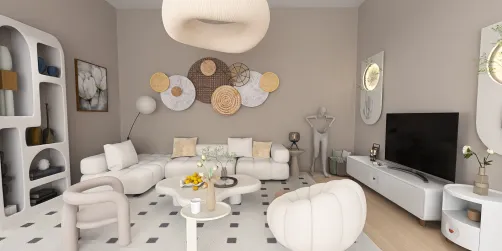
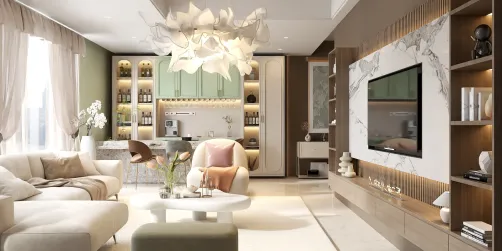
1. Low-profile LED flush-mount fan for tight spaces
In situations where ceiling height is limited, a low-profile LED fan is my preferred choice. Its compact design provides bright, even illumination while ensuring easy installation; it's important to select a model that’s approved for close-clearance mounting to maximize headroom.
save pin
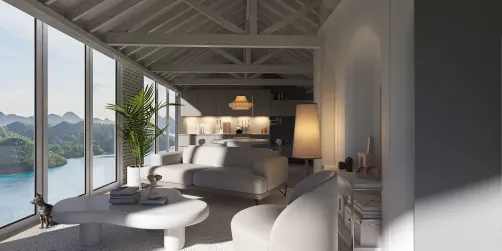
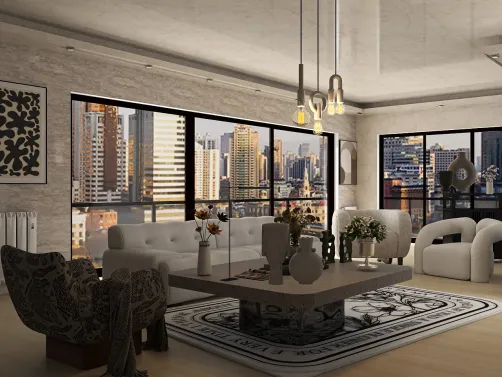
2. Eye-catching matte-black fan as a design centerpiece
I enjoy incorporating a striking black fan with an integrated light fixture over kitchen islands to establish a focal point in open-plan layouts. This choice enhances contrast and serves as a striking hardware element at eye level. However, keep in mind that this color tends to show fingerprints and dust more easily, so it’s wise to choose the finishes carefully to maintain its aesthetic.
save pin
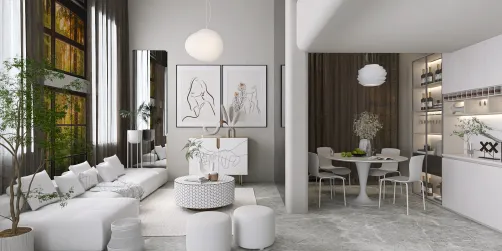
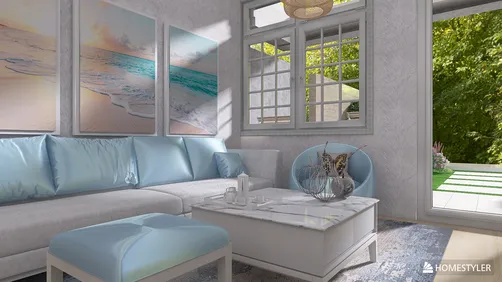
3. Seasonal reversible-blade fan for year-round comfort
Emphasizing reversible motors is a small luxury that ensures kitchens remain comfortable throughout the year — I frequently recommend them. To visualize proportions and shadows, I often produce realistic 3D renders using Homestyler, assisting my clients in comprehending light distribution and blade dimensions before making a purchase.
save pin
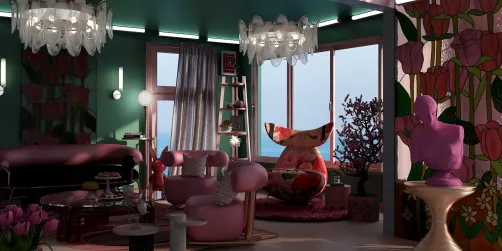
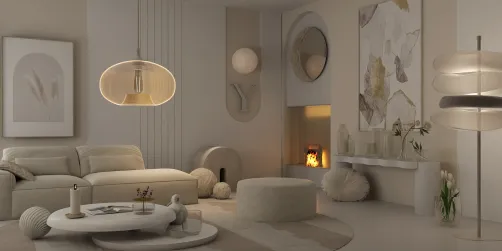
4. Fan with a skirted diffuser for a warm, family-friendly glow
For households seeking a gentle, non-glare light, a fan equipped with a skirted diffuser is an excellent option. It conceals the bulb and softens the illumination. However, a minor downside is that it may provide slightly less focused task lighting, so I recommend pairing it with under-cabinet illumination, especially for those who cook frequently.
save pin
5. Vintage-style cage fan for added character and airflow
I must admit my fondness for vintage cage-style fans in rustic or industrial kitchens — they add character and offer decent ventilation. They can be noisier and require more maintenance, yet they create a stunning visual statement and complement modern appliances beautifully when styled correctly. For clients with tight schedules, I use AI-assisted design tools like Homestyler to quickly create concepts for approval.
save pin
FAQ
Q1: What size ceiling fan is appropriate for my kitchen?
Select blades that match the room size: 30–42 inches for compact kitchens, and 44–52 inches for medium spaces, while ensuring clearance from cabinets and island pendants.
Q2: Are ceiling fans with integrated lights energy efficient?
Currently, LED-integrated fans are quite energy-efficient; they consume less power compared to separate incandescent lights while offering targeted cooling, which can help reduce HVAC usage.
Q3: Is it possible to install a ceiling fan on a sloped or vaulted kitchen ceiling?
Absolutely. Utilize an angled-mount adapter along with the correct downrod length to ensure the fan hangs level. I always verify blade clearance and balance for installations in vaulted ceilings.
Q4: How bright should the ceiling fan light be for kitchen tasks?
Aim for a layered lighting approach: a fan light within the range of 2,000–3,000 lumens provides overall lighting, while under-cabinet or pendant task lights can illuminate prep areas effectively. Moreover, opting for dimmable LED options enhances flexibility.
Q5: Do reversible fans genuinely help reduce heating costs?
Yes. The U.S. Department of Energy states that ceiling fans allow you to raise thermostat settings by about 4°F without sacrificing comfort, effectively saving energy when utilized properly (U.S. Department of Energy: https://www.energy.gov/energysaver/ceiling-fans).
Q6: What maintenance is required for ceiling fans with lights?
To maintain fan efficiency and quiet operation, perform regular dusting, along with an annual balance check. Replace LED modules or drivers according to the manufacturer’s recommendations, as many are designed to last long.
Q7: Is it possible to retro-fit a lighted ceiling fan into an existing junction box?
Often, yes, but ensure the box is rated to support the fan's weight; fans produce more torque than typical fixtures. If in doubt, it’s best to consult an electrician to verify the safety of the mounting and wiring.
Q8: Should I consider noise levels for kitchen ceiling fans?
Look for models that feature DC motors and well-designed blades for quiet performance; be aware that vintage or industrial styles might be noisier and require more frequent maintenance.
save pin
Discover your dream space with Homestyler! This user-friendly online design tool offers stunning 3D renderings, a wealth of design projects, and informative video tutorials. Whether you're a seasoned pro or just starting out, Homestyler makes home design effortless and inspiring!