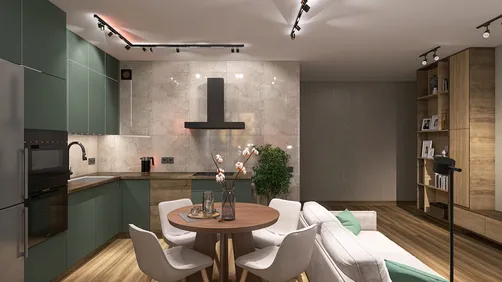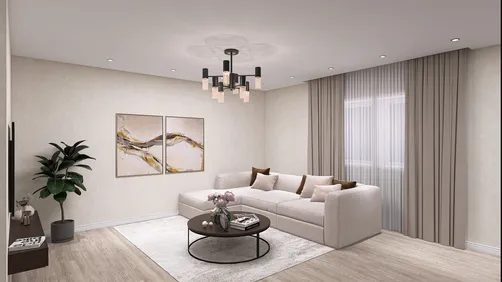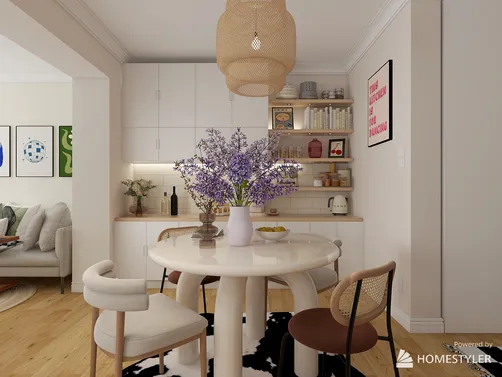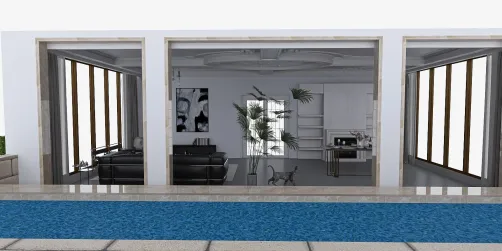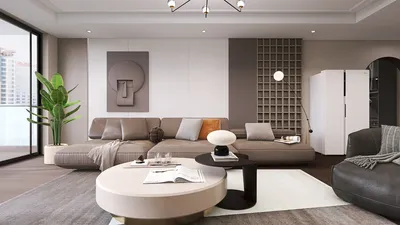
With the rise of game pass games, many gaming enthusiasts are transforming their living spaces into immersive entertainment hubs. Integrating comfortable seating and strategically placed lighting enhances the gaming experience, while modular furniture allows for adaptable layouts that accommodate both playtime and downtime. Creating a dedicated gaming zone within the home not only maximizes enjoyment but also contributes to a balanced lifestyle.
1. Vertical pegboard zones with clear sightlines
I have a fondness for pegboards as they can convert an empty wall into a dynamic tool gallery. Position frequently utilized tools at eye level, categorize by task, and make sure to leave visual spaces to prevent a cluttered appearance. The appeal lies in their affordability and flexibility; however, pegboards can appear chaotic if overloaded—so be discerning in what you hang.
save pin
2. Fold-down work surfaces that double as storage lids
Fold-down benches are excellent for conserving floor space and have a clever design when they extend. I typically include a shallow edge to prevent small tools from rolling off, utilizing robust hinges for added strength. They are budget-friendly, yet over time, intensive use can compromise their sturdiness compared to standard workbenches.
save pin
3. Modular cube storage and labeled bins
Modular cube units can be stacked to fit into odd corners and allow for reconfiguration as your organization needs evolve. I make it a point to label each bin and maintain a 'daily kit' cube for the three items I frequently use. To draft layouts efficiently, utilizing a free design tool like Homestyler for spatial measurements is incredibly helpful before making shelving purchases.
save pin
4. Mobile tool cart plus magnetic strips for quick access
A narrow rolling cart functions as a portable workspace and can be tucked underneath a bench when not in use. Adding magnetic strips on the side for easy storage of screwdrivers and small metal parts ensures instant organization. However, keep in mind that mobility can cause slight instability, so it's crucial to select quality casters and a locking mechanism for heavy tasks.
save pin
5. Integrated lighting, power, and hidden compartments
Proper lighting can turn a cramped workbench into a functional area. I often install LED strips beneath shelving and include a recessed power strip to keep cords from tangling. When planning cabinetry, consider the swing of the doors and internal dividers; effective cabinet design ensures everything remains within reach. While it may incur higher initial costs, it significantly reduces time and frustration in daily use.
save pin
FAQ
Q1: What’s the ideal bench height for a small workbench?
My general target is 34–36 inches for common tasks, but adjust this based on your height and the primary type of work you engage in; heavy planing benefits from a lower height, while fine-detail work is better at a higher level.
Q2: How do I secure a fold-down bench safely?
Utilize heavy-duty hinges, a support arm or bracket, and ensure to test the weight capacity; adding a safety catch will prevent any unexpected drops.
Q3: Are pegboards durable enough for power tools?
Pegboards are suitable for light tools and hand tools; for heavier power tools, affixing a solid backer board or specific hooks into wall studs will provide much better support for the weight.
Q4: How can I manage dust in a tiny workbench area?
Implement sealed seams, use a compact shop vacuum with a blast gate, and consider adding a removable splash guard; routine quick clean-ups will stop dust from spreading into other rooms.
Q5: What’s a budget-friendly lighting setup?
LED strip lights installed under shelves or a clamp lamp provide bright, evenly distributed lighting at a low price; their energy consumption is minimal, and they are simple to reposition.
Q6: How do I choose casters for a mobile cart?
Select casters rated for more than your expected load, ensuring at least two can lock in place, and opt for rubber or polyurethane wheels for quieter and smoother mobility.
Q7: Are there safety codes I must follow?
Basic electrical tasks should comply with local regulations; for projects adjacent to kitchens, refer to local building authority guidelines. When uncertain, consult a licensed electrician for any hardwired outlets.
Q8: Where can I find authoritative design guidance for counters and work surfaces?
For optimal heights and ergonomic information, industry associations such as the National Kitchen & Bath Association serve as reliable references (visit nkba.org for guidelines and clearances).
save pin

Homestyler is your go-to online home design platform, perfect for all skill levels! Explore its user-friendly design tool, create stunning 3D renderings, and access a wealth of inspiration through design projects and engaging video tutorials. Transform your home effortlessly!