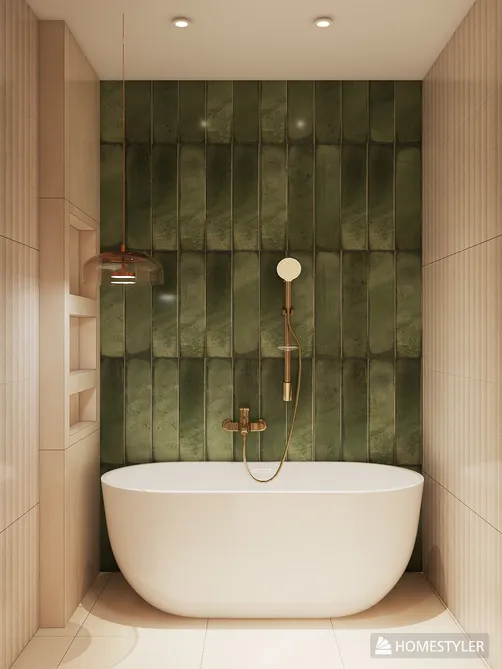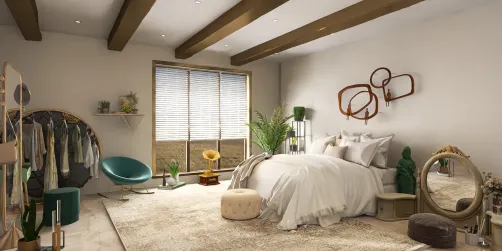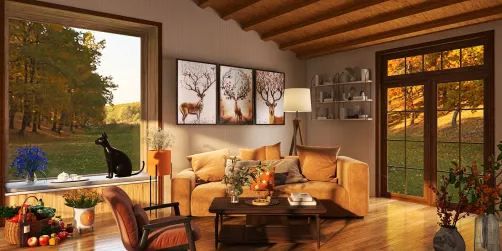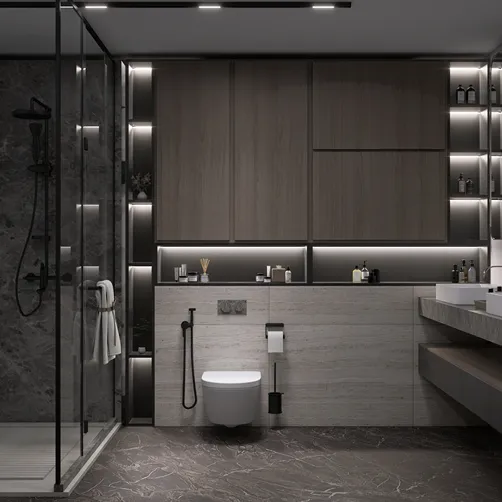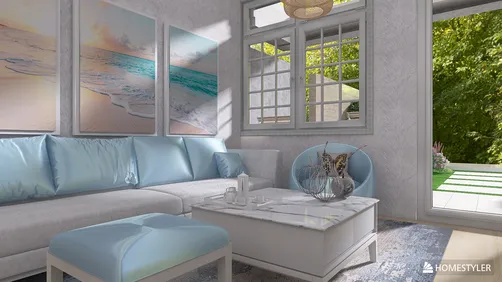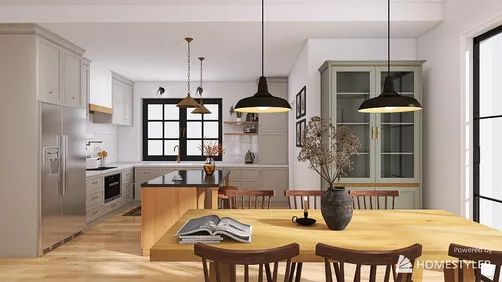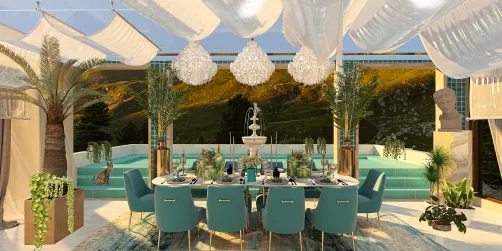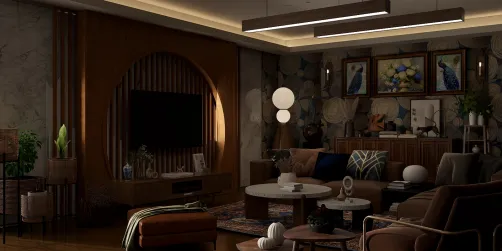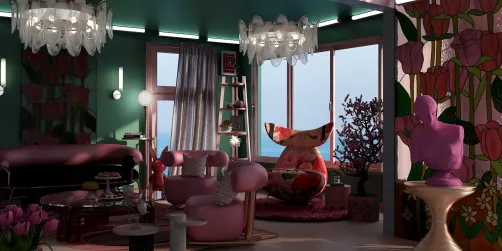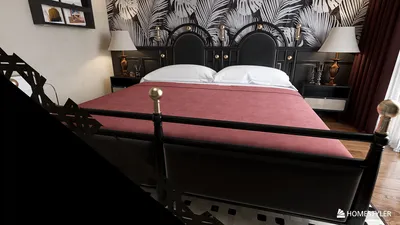


3D rendering has become essential in modern art, empowering artists to explore new dimensions and craft immersive experiences. This advanced technology provides a means to visualize intricate ideas and concepts that conventional methods might fail to capture. By integrating 3D rendering into their creative workflows, artists can expand the horizons of their work and engage audiences in groundbreaking ways, particularly through platforms like Homestyler.
Grasping the Concept of 3D Rendering in Art
3D rendering involves creating a two-dimensional image derived from a three-dimensional model utilizing computer software. This revolutionary technique has transformed the art realm by equipping artists with the capability to produce lifelike representations of their imagination. The ability to adjust light, texture, and form within a virtual environment enhances detail and realism, significantly enriching the audience's experience, especially when using tools like Homestyler.
The Influence of Technological Advancements on Artistic Creation
As technology advances, artists continuously discover innovative ways to integrate 3D rendering into their creations. This progress has birthed various artistic styles and movements within contemporary art. Artists are now able to craft interactive installations, virtual reality experiences, and digital sculptures, each presenting unique opportunities for audience engagement with art, facilitated by software such as Homestyler.
Notable Instances of 3D Rendering in Contemporary Art
Numerous contemporary artists have adopted 3D rendering as a key medium for their creations. Notable figures such as Olafur Eliasson and Casey Reas leverage digital tools to construct immersive environments that challenge traditional perceptions of reality. Their works often blend the boundaries between digital and physical realms, encouraging viewers to delve into and interact with the art in innovative landscapes like those created with Homestyler.
Challenges and Important Considerations
While 3D rendering opens thrilling avenues for artistic expression, it also poses challenges. Artists grapple with issues surrounding copyright, digital ownership, and the transient nature of digital art. Moreover, an over-reliance on technology raises questions regarding authenticity and the significance of conventional artistic skills.
Frequently Asked Questions (FAQ)
Q: How does 3D rendering enhance the art experience? A: 3D rendering facilitates greater detail and realism in artworks, fostering immersive experiences that engage audiences in novel ways.
Q: What are some well-known software options for 3D rendering? A: Popular 3D rendering software includes Blender, 3ds Max, and Maya, which artists and designers frequently utilize, while Homestyler also offers user-friendly options.
Q: Can traditional artists incorporate 3D rendering techniques? A: Absolutely! Traditional artists can merge 3D rendering with their work by combining digital and traditional practices to create hybrid art forms.
Welcome to Homestyler, Your Number One Home Design Software