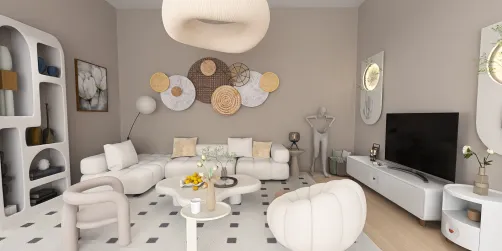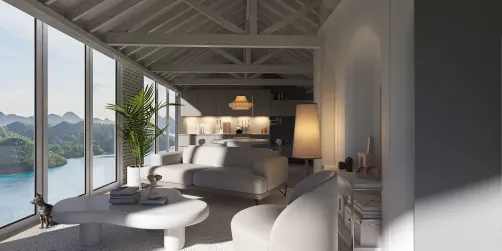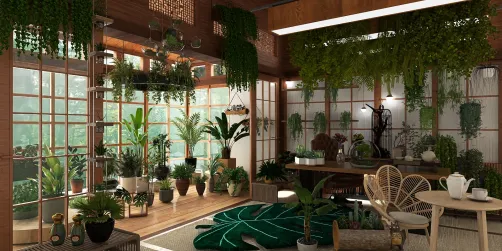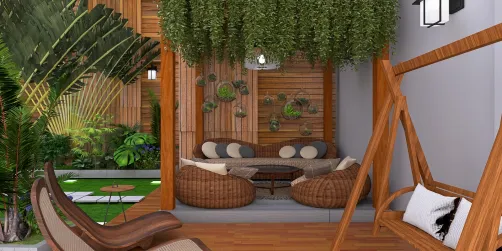
In the contemporary era, 3D rendered sculptures have revolutionized our understanding and creation of art. By leveraging sophisticated software and rendering techniques, artists can manifest their creative visions within a digital environment, fostering unprecedented levels of imagination and exploration. This article will explore the various elements of 3D rendered sculptures, highlighting critical techniques, tools, and the artistic journey involved in crafting these mesmerizing works of art.
Exploring 3D Rendering Techniques
The 3D rendering process transforms a three-dimensional model into a two-dimensional image through computer graphics, enabling artists to visualize their sculptures with remarkable realism, examining textures, hues, and lighting nuances. Below are essential rendering methods worth noting:
Essential Tools for 3D Rendered Sculptures
Artists utilize a range of tools and software to produce impressive 3D rendered sculptures. Some of the most favored options include:
The Creative Journey of 3D Sculpting
The creation of a 3D rendered sculpture encompasses several crucial steps, each vital to achieving a brilliant final result:
Frequently Asked Questions
Q: Which software is suitable for beginners in 3D rendering?A: For novices, Blender stands out as an excellent choice since it is free and supported by a large community offering numerous tutorials.
Q: What is the typical duration to produce a 3D rendered sculpture?A: The time frame varies based on the sculpture's complexity and the artist's proficiency, spanning from a few hours to several weeks.
Q: Is it possible to 3D print sculptures that have been rendered digitally?A: Absolutely, many artists produce tangible 3D printed replicas of their digital creations using advanced 3D printing techniques.
Discover the Top Home Design Software