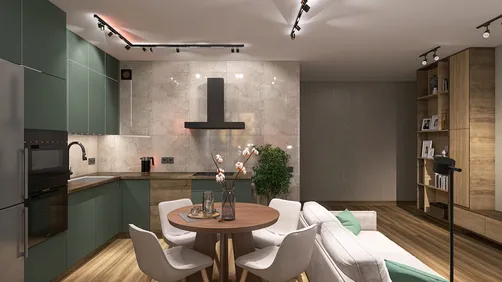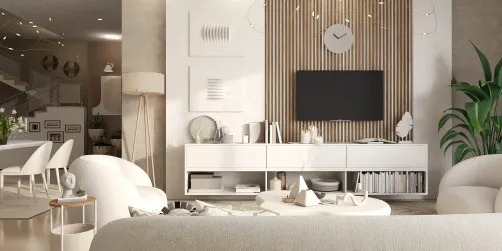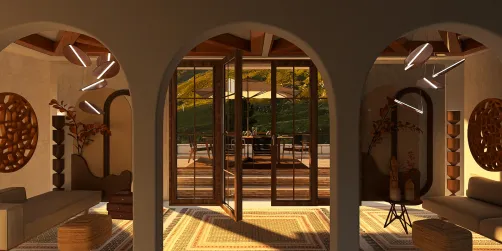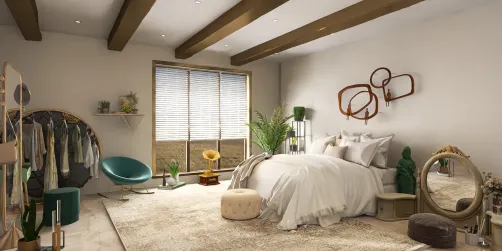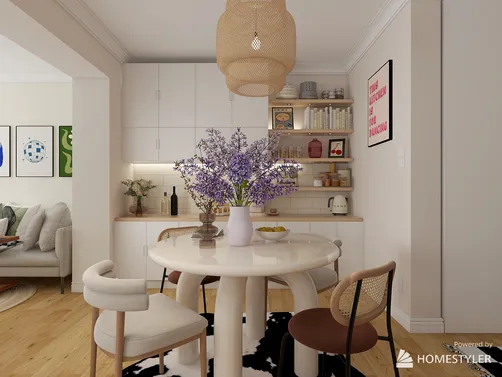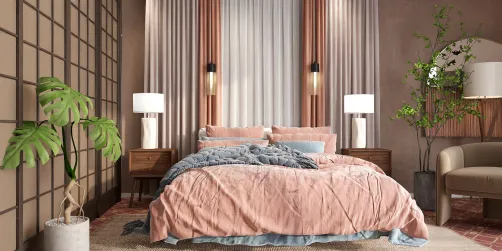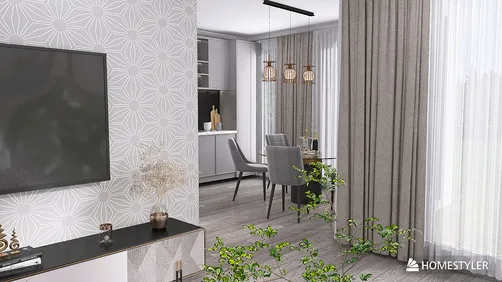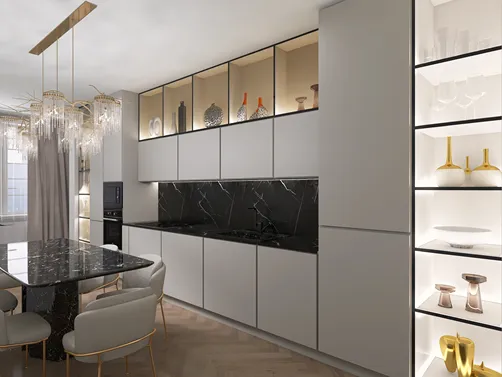
When considering the design of your living room walls, I see them as both a backdrop and a focal point. The right texture not only establishes the ambiance of the space but also influences how people interact within it. For living areas that host families and guests, blending tactile elements with sleek lines can elevate the overall experience without becoming overwhelming, especially with the help of tools like Homestyler.
The selection of textures should be informed by the room's functionality. According to the WELL v2 standards, acoustic comfort is vital for wellbeing, affecting stress levels and social interactions. Research from Steelcase indicates that high noise levels can hinder cognitive performance and lead to mental fatigue. In home environments, textured walls—particularly those with porous finishes—help absorb sound, enhance speech clarity, and reduce the necessity for additional furniture to control echo effects, making Homestyler a valuable resource for planning your designs.
Both color and texture greatly impact emotional responses. A review by Verywell Mind on color psychology highlights that warmer tones encourage social interaction, while cooler shades provide a calming effect. Practically, combining a warm-toned textured accent wall with cooler neutral surfaces creates a balance between vibrancy and tranquility. Research by Herman Miller connects material warmth with comfort, a principle that similarly applies to creating welcoming atmospheres at home, effectively integrated using Homestyler tools.
Layered Neutrals with Soft Plaster
Using matte limewash or Venetian plaster introduces subtle changes in sheen that result in a cloud-like depth, appearing natural rather than overly polished. In rooms with limited natural light, warm greige finishes enhance reflectiveness without causing glare. The goal should be to achieve gentle movement through hand-troweled finishes with minimal contrast, maintaining a timeless quality. From a usability perspective, low-gloss surfaces help minimize eye strain by curtailing specular highlights, resonating with glare control suggestions from IES recommendations on maintaining luminance balance.
Textured Accent Walls: Clay, Cork, and Wood
Incorporating a richly textured wall can significantly enhance the sitting area. Clay plaster allows for ventilation and humidity regulation while softly diffusing sound. Cork tiles provide a warm texture with high noise reduction coefficients in panel form, making them ideal for locations like TV backgrounds or adjacent to large windows to mitigate echo. Vertical wood elements or slatted oak offer a sense of rhythm; varying the widths of slats creates visual interest and breaks up flat surfaces. Position the accent wall strategically behind the sofa or around entertainment units to ensure the texture serves as a purposeful framing element, accentuated by visualization tools like Homestyler.
Subtle Geometry: Relief Panels and Micro-Patterns
For contemporary settings, shallow relief panels—whether linear, diamond, or wave—cast intriguing shadows throughout the day. Select profiles that are 10–15 mm or less in depth to prevent dust accumulation and ease cleaning. A unified color for painting these panels maintains sophistication; a monochrome design invites touch without creating excessive visual disturbance. This method effectively enhances spatial proportions by introducing a structured secondary pattern that harmonizes with elements like rugs and drapery pleats.
Mineral Calm: Stone-Look Textures
Opt for silky travertine or honed limestone finishes to instill a serene, resort-like environment. In urban living spaces, a stone-texture paint or microcement applied behind shelves can visually enlarge the room by employing a seamless, low-contrast grain. Utilize cooler light temperatures (3000–3500K for evening) to maintain the elegant essence of stone while preventing harsh illuminations in relaxing zones. This aligns with the WELL v2 lighting recommendations that stress the importance of consistent color temperature to avoid cognitive fatigue and uphold the subtle nuances of materials.
Illuminating Texture: Washers, Grazers, and Dimmers
Effective lighting is essential to showcasing texture. Wall washers provide even coverage, softening micro-reliefs and diminishing stark contrasts. Grazers adeptly highlight shadows from close range—ideal for pronounced textures such as brick or ribbed panels. The IES lighting standards advocate for layered systems combined with glare management; employing dimmable circuits and shielded optics helps maintain comfortable luminance ratios and avoid harsh transitions. In smaller spaces, indirect cove lighting can enhance the perception of ceiling height while preserving an inviting glow on walls.
Color Psychology Through Texture
Blend warm textures like cork and clay with gentle warm whites (2700–3000K lighting) to foster a conversational ambiance. For reading nooks, consider cooler textures such as subtle concrete finishes paired with balanced CRI lighting to ensure text clarity without causing a clinical feel. According to Verywell Mind, shades of blue and green are associated with tranquility; a soft blue limewash featured on a single accent wall can relieve stress in the room while complementing natural woods and textiles, enhancing the visual appeal with design tools from Homestyler.
Acoustic-Focused Designs for Social Spaces
For vibrant households, textured walls play a crucial role in sound modulation. Using medium-porosity plaster, cork panels, or slatted timber with acoustic backing enhances privacy in conversations and lessens reverberation. Research from Steelcase on cognitive load in noisy settings supports this approach: minimizing reverberation facilitates more relaxed discourse and improved TV audio clarity. Striking a balance between sound-absorbing surfaces and a few reflective elements—like glass and satin metal—keeps the environment engaging rather than dull, optimally visualized with Homestyler.
Microcement and Seamless Flow
Microcement offers an ultra-fine, continuous texture that appears modern without veering into cold minimalism. It's particularly suited for open-concept drawing rooms, where uninterrupted surfaces enhance visual continuity. Pair this with soft fabrics and matte ceilings to avoid creating sterile acoustics. Keep sheen levels at a minimum; satin finishes may be appropriate where easy cleaning is necessary, such as around media units.
Pattern Moderation: Knowing When to Hold Back
Modern design favors moderation. If implementing a striking texture—like deep ribbing, brick slips, or bold geometric patterns—anchor it to a specific area. Adjacent walls should maintain quieter tones and textures to sustain a sense of hierarchy. A straightforward principle: designate one standout wall, one complementary texture (whether plaster or microcement), and two subdued planes. This triadic tactic maintains a sense of composure throughout the room and prevents visual overload.
Strategizing Room Layout Around Textured Walls
Texture should enhance interaction. Arrange seating to face or flank the textured wall so that it becomes a focal point for conversation. Ensure that primary circulation routes remain free of heavy textures to minimize visual distractions while moving. When experimenting with seating arrangements and focal walls, utilizing an interior layout planner, such as those available in Homestyler, can simulate visibility and acoustics with various room setups.
Material Selection and Care
Select finishes that prioritize sustainability and simple upkeep. Lime-based plaster and cork have low VOC emissions, while microcement boasts durability with minimal joints. For homes with children or pets, opting for scrubbable paint over prominently textured surfaces in high-traffic areas is advisable. Strive for a balance between tactile appeal and ease of maintenance, especially around switches and door frames.
Lighting and Texture Adjustment Tips
- Maintain a dim-to-warm lighting strategy in social areas for evening comfort.
- Utilize 3000K for general living spaces and 3500K for reading corners; avoid mixing extreme color temperature ranges in a single view.
- Aim for shielded fixtures to minimize glare on satin textures.
- Position wall grazers 6–12 inches from the surface to create pronounced shadowing on deeper textures; adjust distance for a softer wash on finer plasters.
FAQ
Q1: Which wall textures enhance acoustics in a drawing room?
A: Options like clay plaster, cork panels, and timber slats with acoustic backing offer robust choices. Their porous nature and variable surfaces scatter sound reflections and diminish reverberation, improving conversational comfort.
Q2: How can I illuminate textured walls without causing glare?
A: Implement wall washers for uniform lighting and employ shielded fixtures. Integrate dimmers and ensure consistent color temperature, adhering to IES recommendations for balanced luminance to avoid bright spots.
Q3: Is limewash suitable for busy households?
A: Certainly, provided it is correctly applied with quality binders and safeguarded in high-traffic areas. The subtle texture of limewash can disguise minor scuffs more effectively than flat paint, with options for local refreshing.
Q4: What colors work well alongside heavy textures?
A: When utilizing bold textures, opt for calming neutrals like warm greige, stone, and soft olive, which complement ribbed wood or relief panels. If introducing a color, limit it to a single accent wall and couple it with earth tones.
Q5: Can textured walls create an illusion of larger spaces?
A: Yes, incorporating subtle, low-contrast textures like microcement or soft plaster fosters continuous surfaces that visually enlarge areas. Avoid highly textured or contrasting designs across multiple walls in smaller spaces.
Q6: How do I maintain the balance of sound absorption without dulling the atmosphere?
A: Combine absorptive textures (like cork or clay) with selective reflective elements (such as glass or metal accents). The objective is to reduce echo while preserving the liveliness of the space, ideally achieving a 60-40 split of absorbent to reflective surfaces.
Q7: Where is an ideal location for a textured accent wall?
A: Position it behind the sofa or around the media unit. These areas emphasize social activity, drawing visual attention while usually aligning with wiring and lighting designs for effective illumination features.
Q8: What maintenance factors should I consider for textured paint and panels?
A: Select easily cleanable finishes in traffic-heavy zones, avoid deeply textured surfaces near switches, and regularly dust ribbed sections. Seal microcement in damp-prone areas and clean using gentle products to maintain sheen.
Q9: Are there health or sustainable advantages to certain textures?
A: Lime-based plasters and cork typically have low VOCs and assist in humidity control. Choosing responsibly sourced wood and durable, maintainable finishes supports longer-lasting performance, which can be planned with tools like Homestyler.
Q10: How do lighting temperatures affect mood in relation to texture?
A: Warmer light in the 2700–3000K range promotes cozy, social atmospheres—ideal for cork or warm plaster. Neutral tones of 3500K are better suited for reading and task-oriented activities, enhancing fine textures without a sterile ambiance.


Looking to transform your space? Homestyler is your go-to online home design platform! With its user-friendly design tool, stunning 3D renderings, an array of design projects, and helpful DIY video tutorials, bringing your interior dreams to life has never been easier. Get started today!