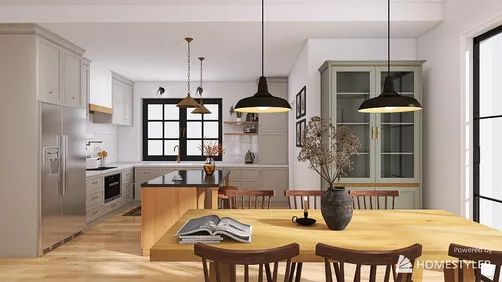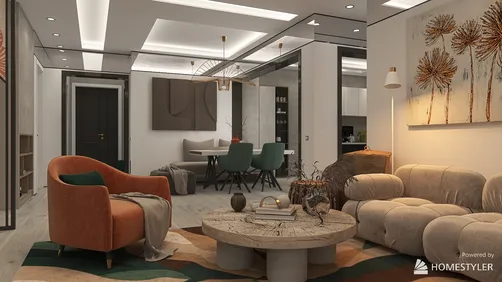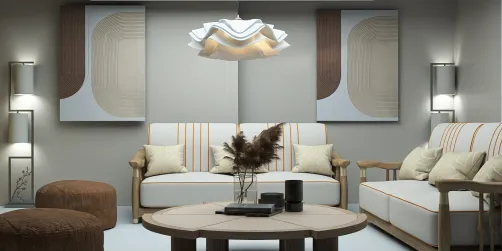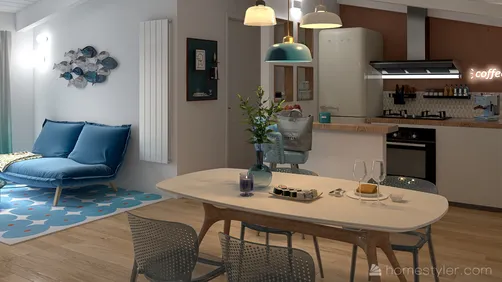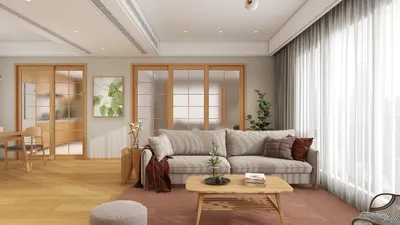



When it comes to design, I focus on constraints as much as aesthetics. Efficiently designed small kitchens necessitate making the most of every inch, and a well-planned pantry can enhance cooking flow, minimize visual clutter, and maintain ingredient freshness and safety. Utilizing tools like Homestyler can aid in visualizing these concepts effectively.
Design Intelligence Backed by Real Data
Effective storage goes beyond mere capacity; it influences behavior and efficiency. Research conducted by Herman Miller highlights that organized environments lessen cognitive load and decrease the time spent searching for items. This principle can be applied in kitchens, resulting in quicker preparation and fewer mistakes. Similarly, studies by Steelcase demonstrate that ergonomically designed spaces improve task efficiency by minimizing the need to reach or search. Furthermore, the WELL Building Standard v2 emphasizes that accessibility and ergonomics contribute to health and safety—principles we incorporate into our pantry designs using the right heights, reach ranges, and clear labeling. For optimal lighting, the Illuminating Engineering Society recommends achieving around 300–500 lux for task surfaces; I aim for the upper range in pantry areas to ensure labels and expiration dates are easily legible.
The subtle impact of color psychology should not be underestimated. Research by Verywell Mind indicates that cool colors such as gentle blues and soft greens can reduce visual noise and enhance focus—a crucial benefit when navigating small pantry shelves. I typically pair these colors with neutral, low-gloss finishes to reduce glare and create a cohesive visual rhythm. These strategies enable a compact pantry to feel more expansive than its actual dimensions.
Assess Your Pantry Footprint and Workflow
Begin by analyzing how you cook instead of solely focusing on what you store. Identify the most frequently used items (like oils, grains, and spices) and position them within easy reach at shoulder height; less frequently used stock (such as bulk flours and specialty tools) can be placed on higher or lower shelves. For most adults, the ergonomic shoulder height ranges from about 48 to 60 inches; placing daily-use items within this area reduces the need for bending and stretching. If you're planning a comprehensive layout or testing traffic flow between the sink, cooktop, and pantry, consider using a layout simulation tool like Homestyler to visualize shelf depths and item placement before making investments.
Narrow Pull-Outs: The Slim Powerhouse
In tight spaces, incorporating a 6 to 9-inch pull-out next to the range can dramatically improve storage functionality. Opt for full-height frames with soft-close mechanisms and perforated sides for airflow. Organize vertically: use the top tier for spices, the middle tier for oils and vinegars (utilizing drip trays), and the bottom for canned goods. Adjustable rail inserts allow for changes in bottle heights as your cooking needs evolve. Aim for shelf depths between 18 and 22 inches, ensuring transparency with clear fronts to reduce rummaging efforts.
Over-the-Fridge and Overhead Zones
The area above the refrigerator is often overlooked. Enclosing this space with horizontal lift doors or side-hinged fronts can maximize its potential. It's perfect for storing backup supplies (like paper towels, seltzer, and bulk grains) in clearly labeled bins. Always ensure there is proper ventilation according to the fridge manufacturer's specifications to avoid heat buildup.
Pantry Walls: Shallow Shelving Wins
In a narrow wall space, consider installing shallow shelves that range from 6 to 10 inches in depth. This prevents the challenge of double stacking while keeping labels easily readable. A continuous rail system with adjustable brackets can provide flexibility for spacing as inventory changes. For enhanced visibility and a clean aesthetic, alternate between shorter and longer shelves to create visual interest.
Corner Solutions: From Lazy Susans to Diagonal Inserts
In corner cabinets, a high-quality two-tier lazy Susan or independent turntables can maximize dead corner space for small jars and snacks. Diagonal inserts are another great option, as they reduce reach distance and make contents easily visible from the aisle. For base corners, consider pull-out corner units with synchronized trays that glide fully out—no more losing bags of flour in the back.
Pantry Drawers vs. Shelves
For smaller items, drawers are the superior choice. I recommend using 4 to 6-inch high drawers for spices and packets, and 8 to 10-inch drawers for grains and baking supplies. Incorporating clear bins and labeling the front areas enhances organization. Shelves are more appropriate for taller bottles and appliances. Consequently, a combination approach—having drawers at waist height for frequently used items and shelves above and below for bulk or infrequent items—works best.
Door-Back Storage That Doesn’t Feel Makeshift
Back-of-door storage racks can significantly increase capacity without expanding aisles. Opt for low-profile (2 to 3 inches) wire or wood racks featuring guard rails. To avoid door sag, keep the weights light; heavy liquids should remain on fixed shelves. If your pantry has a door, shallow interior door shelves with soft magnets can keep small jars secure.
Lighting, Glare, and Label Legibility
Inadequate lighting can undermine organizational efforts. I adhere to IES task light levels, targeting approximately 400 to 500 lux within pantry areas using continuous LED strips along vertical stiles. Using a color temperature between 3000 to 3500K strikes a balance between warmth and clarity. Additionally, a high CRI (90+) is essential for accurate color rendering, especially for evaluating the freshness of spices. Diffusers can minimize hotspots and glare, while motion sensors ensure lights activate as needed, helping to maintain low energy consumption.
Color and Material Strategy
Small pantries thrive on light, matte finishes that reflect light without causing glare—think matte white, soft gray, or pale sage. To create visual harmony, limit the color palette: one base finish paired with an accent color for labels or edges. Material choice is important too; select options that can withstand humidity and wear, such as melamine-faced boards, powder-coated steel, or treated wood. Sustainability is a priority—choose low-VOC certified finishes and durable hardware to prolong usability.
Acoustics and Quiet Hardware
In compact kitchens, noise can become amplified. Utilizing soft-close slides and hinges, felt bumpers, and rubberized bin bases can minimize noise. In open-plan environments, consider adding slim acoustic panels or fabric-backed pinboards on adjacent walls to help reduce the sound associated with moving bottles and cans.
Micro-Zones: Grouping That Mirrors Cooking Flow
Create functional zones based on activities: a spice-and-oil area close to the cooktop; a baking zone adjacent to a clear countertop; and a breakfast zone near the fridge and toaster. Standardizing bin sizes within each zone can make restocking a breeze. To streamline your shopping experience, install a quick-inventory card on the inside of the pantry door to swiftly check stock and avoid duplicate purchases.
Smart Labeling That Ages Gracefully
Implementing clear, high-contrast labels (like dark gray on white) enables quick scanning. Be sure to date-stamp perishable dry goods and practice a first-in-first-out rotation. On pull-outs, label the edges; for shelves, label the fronts of bins. For families, using color-coded dots to represent individuals or meal types can reduce decision fatigue.
Ventilation and Food Safety
A sealed pantry can easily trap humidity, so it's wise to incorporate discreet vent slots either at the top or bottom of cabinet doors, or to use panels with perforations. Keep heat-generating appliances out of enclosed pantry spaces and opt for open shelving instead. Follow proper storage practices for oils and nuts, which require cool, dark conditions away from ovens.
Appliance Niche: The Hidden Helper
If you have the space, dedicate a section of counter (18 to 24 inches) either within the pantry or adjacent to it for small appliances, such as a blender or rice cooker. A flip-up or pocket door can conceal these appliances and prevent visual clutter while maintaining access to power outlets. This space is particularly helpful for streamlining breakfast preparation.
Flexible Systems and Future-Proofing
As time progresses, your pantry needs may change. To accommodate this evolution, consider adjustable shelving with one-inch increments, modular bins, and clip-in dividers. These elements allow you to adapt to seasonal cooking habits and dietary changes. Choose hardware that can support the actual weights you use; heavier items such as canned goods require stronger slides to avoid sagging.
Planning and Visualization
Before purchasing any hardware, it’s beneficial to simulate shelf spacing and door clearances. An interior layout planner, such as Homestyler, can help examine reach ranges, swing paths, and the relationship between the fridge, sink, and pantry to ensure the workflow feels seamless.
FAQ
Maintain most shelves at a shallow depth of 6 to 10 inches to ensure visibility and easy access. Reserve deeper shelves (14 to 18 inches) or pull-outs for storing bulk items or appliances to prevent losing items in the back.
For pantry task lighting, aim for around 400 to 500 lux, utilizing 3000 to 3500K LED lights with a CRI of 90+ to ensure color accuracy and label legibility, in accordance with IES guidelines.
Yes, slim pull-outs (6 to 9 inches wide) provide vertical storage options while maintaining visibility. Use adjustable rails and drip trays for oils, and opt for soft-close slides to reduce operational noise.
Establish micro-zones according to activity, standardize bin sizes, and implement clear labeling strategies. Position frequently used items at shoulder height and place backups on higher or lower shelves to keep prime space uncluttered.
Choose light, low-sheen finishes in cool or neutral tones such as matte white, soft gray, or pale sage to minimize visual clutter. Research in color psychology indicates that cooler hues enhance focus when scanning pantry shelves.
Utilize back-of-door storage solutions for lighter items like spices and snacks. Keep heavier liquids and canned goods on fixed shelves or in sturdy drawers to prevent stress on door hardware.
For easy access to items, implement lazy Susans or synchronized pull-out corner units. Diagonal insert designs can minimize the reach needed and keep contents visible from the main aisle.
Position frequently used items near cooking and preparation areas. Try to place the pantry within close proximity to the fridge for smooth breakfast and snacking flows; utilize a room design visualization tool to test adjacencies.
Indeed, you should incorporate ventilation slots or perforated panels to avert humidity build-up and stale air. Ensure any heat-generating appliances are placed on open shelves rather than enclosed pantry spaces.
Utilize adjustable shelving that allows for one-inch increments, modular bins for flexibility, and robust slides for heavy items. This adaptability ensures your pantry meets your changing cooking and family needs over time.
Homestyler's roots trace back to Autodesk, the global leader in design and engineering software. That heritage lives on in every feature we build. Today, with a community of more than 20+ million registered users (platform data, 2026) worldwide, Homestyler continues to make professional-quality interior design accessible to everyone — from first-time decorators to seasoned architects.

3-Layer Wooden Bookshelf with Drawer

Minimalist Japandi Oak Rattan Sideboard Cabinet 3D Model

Minimalist Solid Oak Fluted Glass Display Cabinet 3D Model
Homestyler is your go-to online home design platform! With its user-friendly design tool, you can easily create stunning spaces. Explore impressive 3D renderings and a wealth of design projects, complemented by DIY video tutorials. Transform your home design dreams into reality with Homestyler!
Design Now for FREE






![[14]](https://hs-designs.homestyler.com/production/design/images/2026-09-12/aa817543-bb43-4f3a-9583-2b2473af620f/1789226165872/10757139.jpg?x-oss-process=image/resize,w_502,m_mfit/format,webp)