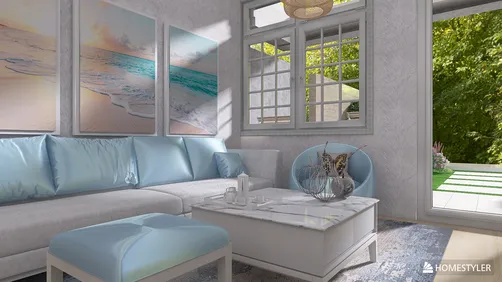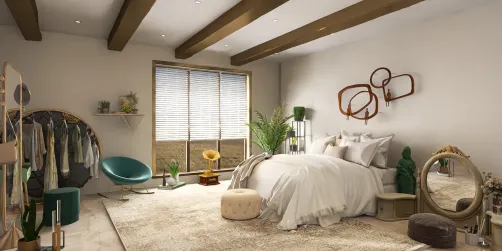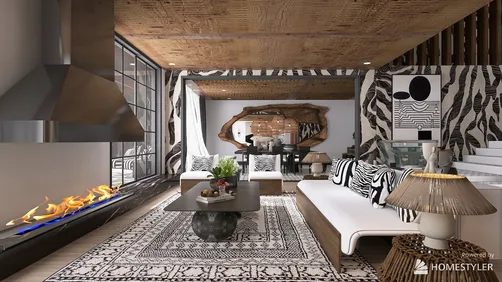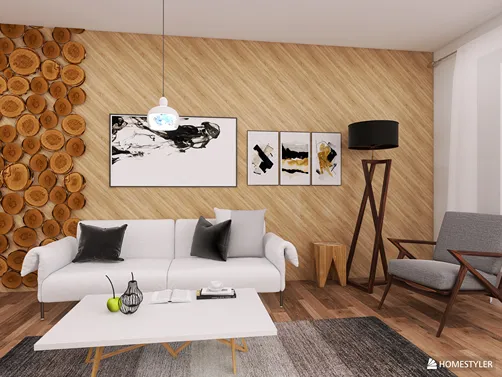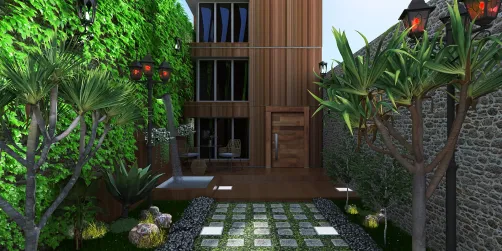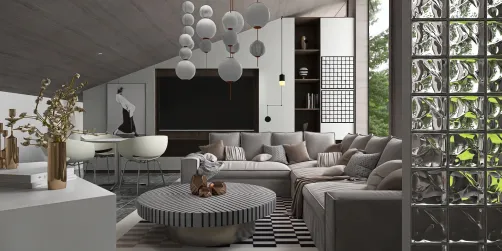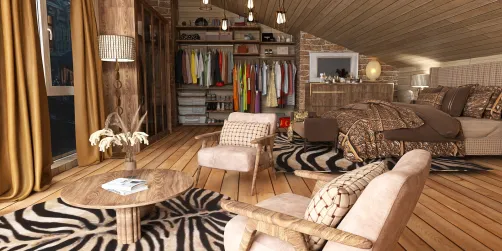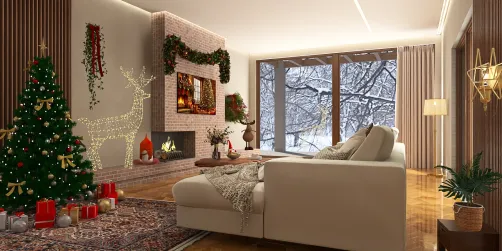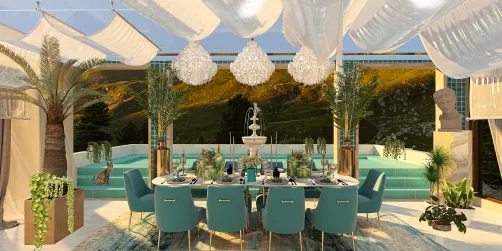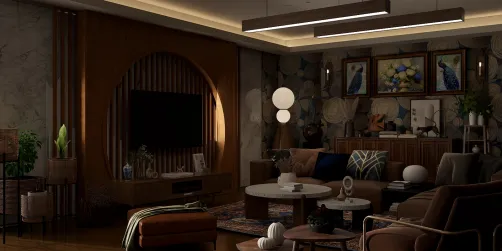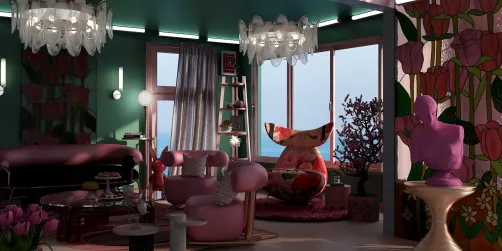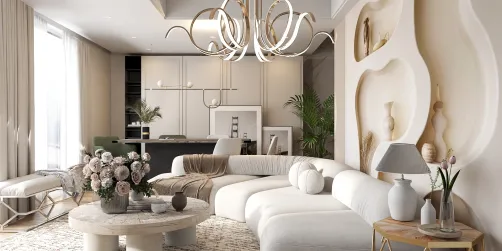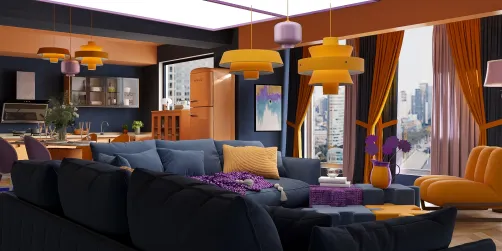
In the evolving world of interior design, lighting has transcended its primary function of providing visibility to play a crucial role in defining ambiance and character. From my extensive experience redesigning a multitude of compact apartments, I've discovered that even the smallest living areas can offer a canvas for innovative lighting solutions. This article presents 10 intelligent lighting ideas tailored for living rooms, merging my insights with proven design strategies to enhance the aesthetic and functionality of your space with clever lighting. My preferred tool for visualizing these transformations is Homestyler, which simplifies the design process.
1. Layered Lighting for Depth
In my own living space, I embrace layered lighting techniques, incorporating ceiling fixtures, floor lamps, and wall sconces which prevents the monotony often linked with a single light source. This combination cultivates a warm, inviting atmosphere suitable for both productivity and leisure.
Pros: Using layered lighting adds depth and dimension to your living area, beautifully accentuating architectural features. As noted by the IALD, multiple light sources enable mood adjustments without the risk of overwhelming brightness.
Cons: The costs associated with multiple fixtures can accumulate, and additional outlets or rewiring might be necessary.
Tip: Begin with a primary ceiling fixture, complement it with a stylish floor lamp, and conclude the look with decorative wall sconces.
2. Dimmable Ceiling Lights
One client of mine adored hosting movie nights, so I installed dimmable LED ceiling lights—this allowed them to switch effortlessly from bright, functional lighting to a soft movie ambiance.
Pros: Adjusting light levels not only conserves energy but also extends the longevity of your bulbs.
Cons: This feature requires compatible dimmer switches, potentially necessitating professional installation.
For creative inspiration, observe minimalist lighting designs that seamlessly fuse aesthetics with practicality.
3. Statement Pendant Lights
I often utilize a striking oversized pendant light to establish a visual focal point in compact living rooms, effectively drawing attention upward and enhancing the sense of height in the space.
Pros: A statement pendant contributes distinctiveness and a designer flair without necessitating extensive renovations.
Cons: If not properly scaled, such fixtures may dominate a low-ceiling area.
Opt for materials like rattan to create a lighter appearance and a more spacious feeling.
4. LED Strip Lighting for Shelves
In a 40 square meter apartment, I introduced LED strip lighting to a client’s bookcase, transforming it into both an artistic element and functional storage.
Pros: LED strips enhance mood lighting while allowing your decor to stand out vibrantly.
Cons: Accurate installation is crucial, as less expensive adhesive strips might not adhere properly.
5. Wall Sconces to Save Space
In my living room, replacing traditional lamps with wall sconces cleared up valuable table space—no more bumping into lamp shades.
Pros: These sconces are ideal for compact areas, providing directional and ambient lighting without cluttering the floor space.
Cons: Given their fixed installation, wall sconces come with a level of commitment that might require patching holes in the future.
6. Smart Bulbs for Color Control
For a tech-savvy client, I implemented app-controlled bulbs, allowing them to switch from warm candlelight during dinner to bright daylight white in the morning.
Pros: The versatility in color temperatures and intensity enhances both mood and productivity.
Cons: Initial costs are typically higher, and the reliability depends on stable Wi-Fi connections.
These can be effectively integrated into designs featuring open-plan living arrangements, fostering a harmonious atmosphere.
7. Track Lighting for Art Displays
In a loft inspired by galleries, I incorporated track lighting that beautifully illuminated the client’s photography wall.
Pros: The movable heads of track lights allow for targeted illumination of various displays.
Cons: Its industrial appearance might not blend well with very traditional decor.
8. Floor Lamps with Shelving
My favorite reading nook features a floor lamp equipped with integrated shelves—an ingenious solution for maximizing utility in compact spaces.
Pros: This design is multifunctional, merging storage with lighting to save space and funds.
Cons: The range of styles may be limited, so finding the perfect match for your aesthetic could require some patience.
9. Recessed Lighting for Minimalists
I installed recessed lights in a client’s streamlined condo, achieving an uncluttered ceiling and providing soft, even illumination.
Pros: This option offers a clean visual and uniform distribution of light, ideal for contemporary interiors.
Cons: It necessitates penetrating the ceiling, which is not renter-friendly.
Couple these with modern layout concepts for a seamless visual flow throughout the home.
10. Candlelight for Warm Evenings
On tranquil evenings, I often opt for clusters of real or LED candles instead of electric lighting, creating a soothing atmosphere.
Pros: Candlelight radiates intimacy and promotes relaxation effortlessly.
Cons: While real candles require caution, LED options might lack the genuine flicker.
Summary: A small living room is not a hindrance; rather, it presents a unique opportunity for innovative lighting design. As observed by the IESNA, thoughtfully planned lighting can significantly alter both perceived space and usability. Which of these lighting ideas will you explore first? Consider utilizing Homestyler for design inspiration.
FAQ
Q1: What are the best lighting ideas for a small living room?
A: Layered lighting solutions, wall sconces, and LED strips are excellent choices for optimizing small living rooms, as they save space while enriching it visually.
Q2: How can I use lighting to make my living room feel more spacious?
A: Implementing vertical elements like pendant fixtures alongside uniformly distributed lighting can visually enhance the room's dimensions.
Q3: Are smart bulbs worthwhile investments?
A: Definitely, due to their adaptability in color and brightness. Research indicates a rapid growth in the smart lighting market, highlighting the demand for this flexibility.
Q4: What type of lighting is most suitable for reading in the living room?
A: Task lighting, such as customizable floor lamps, provides focused light without straining your vision.
Q5: How do I determine the right size for a pendant light?
A: Consider the dimensions of your ceiling and furniture; overstated fixtures may dominate, while undersized ones can appear insignificant.
Q6: Is recessed lighting energy-efficient?
A: Absolutely—opting for LED recessed lights maximizes energy efficiency and durability.
Q7: Can I blend warm and cool lights within one area?
A: Yes, but it's best to keep them in separate zones to maintain harmony in lighting tones.
Q8: What's the most economical way to refresh my living room lighting?
A: Replacing bulbs with LED versions or integrating plug-in sconces is effective—you can also utilize 3D visualizations via Homestyler to preview layouts before making purchases.
Discover Homestyler, the ultimate online home design platform! With its user-friendly design tool, stunning 3D renderings, and a wealth of DIY video tutorials, you can effortlessly create and visualize your dream spaces. Perfect for both beginners and seasoned designers alike!