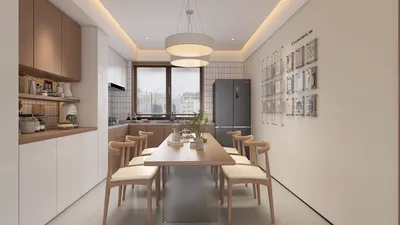
Transforming your kitchen through smart lighting design can significantly enhance both its functionality and aesthetics. An expertly crafted lighting plan not only elevates your kitchen's appearance but also boosts safety and operational efficiency. The secret to a successful kitchen lighting design is grasping the diverse types of lighting and their collaborative potential in establishing a cohesive environment. Begin by exploring the three fundamental lighting categories: ambient, task, and accent lighting. Ambient lighting serves as the overall light source, shaping the kitchen's atmosphere, achievable through ceiling fixtures, recessed lights, or stylish pendant options. On the other hand, task lighting is crucial for illuminating specific work areas, such as countertops and kitchen islands; think under-cabinet lights, pendant fixtures, or track lighting. Lastly, accent lighting injects character into your design, accentuating artwork or architectural elements using spotlights or LED strips. Once you have a grasp of lighting types, it's time to create a layout that harmonizes these elements. Evaluate your kitchen's structure, pinpointing essential functional zones. For example, your cooking areas need enhanced task lighting, while dining spots can benefit from a softer ambiance. Layering your lights is vital; a combination of ambient, task, and accent lighting achieves an inviting and well-balanced aesthetic. Now, focus on placement. Suspend pendant lights above kitchen islands or dining tables to establish a striking focal point. Distribute recessed lighting evenly across the ceiling for consistent illumination. Under-cabinet lights not only serve practical purposes but can also emit a warm glow, enhancing your kitchen’s design. Incorporate dimmer switches to adjust the light’s brightness, tailoring the mood according to time or activity. Regarding style, select fixtures that resonate with your kitchen's theme—whether it’s modern, industrial, or traditional, appropriate lighting can reinforce your desired look. Energy efficiency is also crucial; consider LED bulbs for their power-saving attributes and extended lifespan. Finally, remember that your kitchen lighting design should adapt over time. Trends evolve, and so do personal needs. Employing adjustable fixtures or smart lighting systems can help you transition your space to reflect new styles or functions effortlessly. With innovative thinking and careful planning, you can craft a kitchen lighting scheme that's both beautiful and practical, all with the help of tools like Homestyler to visualize your designs.
Tips 1:
Always incorporate natural light sources in your kitchen lighting plan. Windows and skylights play a pivotal role in enhancing your lighting setup.
FAQ
Q: What type of lighting is best for kitchen countertops? A: Under-cabinet lighting is perfect as it directly illuminates work surfaces, ensuring tasks are performed safely and efficiently.
Q: How many lights do I need in my kitchen? A: This is contingent on your kitchen's size and intended lighting type. Aim for approximately 20 lumens per square foot for effective general lighting.
Q: Is it possible to use pendant lights in a small kitchen? A: Absolutely! Just opt for smaller pendants that won't crowd the area, maintaining openness and style.
welcome to Homestyler
Looking to transform your home? Homestyler is your go-to online design platform! With its user-friendly design tool, stunning 3D renderings, a plethora of design projects, and informative video tutorials, you can effortlessly bring your creative vision to life. Start your design journey today!