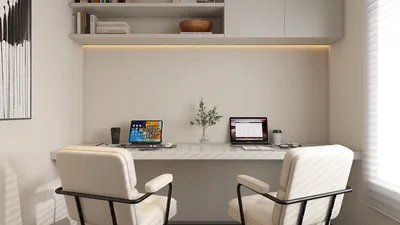


Understanding the expenses associated with old house projects is essential for effective budgeting and planning. Whether your aim is to restore a charming vintage property or renovate a historic residence, costs can fluctuate markedly depending on the extent of the work, materials chosen, and labor involved. In this article, we will explore the key elements that impact the costs of renovating old homes and share useful tips for managing your budget effectively. Additionally, using tools like Homestyler can aid in the planning process.
Factors Affecting Renovation Expenses
1. **Extent of Work**: The size and nature of the renovation significantly affect the costs. Simple updates such as painting or new flooring typically incur lower expenses compared to extensive structural modifications or complete restorations, which can be more demanding and costly.
2. **Material Choices**: Opting for high-quality or authentic materials can raise costs, yet they often result in superior durability and aesthetic value, which is crucial for maintaining the character of an old home. Utilizing design tools like Homestyler can help visualize these elements before making a purchase.
3. **Labor Costs**: Engaging skilled professionals for specialized tasks, such as electrical work or intricate carpentry, can increase your overall budget. It's advisable to seek multiple estimates to ensure you are getting competitive pricing without compromising on quality.
4. **Building Permits and Compliance**: Renovating older houses may require specific permits, especially when making alterations that could affect the structure or historical essence of the building. Understanding local regulations is key to avoiding unexpected fines.
5. **Surprise Repairs**: During the renovation of older properties, you might encounter hidden issues like outdated plumbing or electrical systems that could lead to unexpected costs. Factoring in a contingency for these situations is prudent.
Effective Budgeting Strategies for Old House Projects
1. **Establish a Realistic Budget**: Begin by clearly identifying your financial limitations and setting aside a contingency fund for unanticipated costs that may arise during your renovation journey.
2. **Prioritize Essential Renovations**: Identify which renovation tasks are most urgent and tackle them first. This approach helps distribute costs over a longer period, making the execution more manageable.
3. **Consider DIY When Feasible**: If you possess handyman skills, you might want to handle smaller projects yourself to lower labor costs, allowing you to allocate funds to more significant tasks.
4. **Investigate Financial Grants and Programs**: Many local governments provide financial incentives for restoring historic properties, so it’s advantageous to explore these potential benefits when planning your renovation.
Common Old House Renovation Projects and Estimated Costs
1. **Roof Replacement**: Ranges from $5,000 to $15,000 depending on size and material selection.
2. **Kitchen Overhaul**: Typically costs between $15,000 and $50,000 based on design choices and fixture upgrades.
3. **Bathroom Revamp**: Estimated between $10,000 and $30,000 for various updates and installations.
4. **Foundation Repair**: May cost between $2,000 and $10,000 depending on the severity of the issues encountered.
5. **Exterior Restoration**: Estimated costs range from $5,000 to $20,000 for enhancements such as painting, siding, and window replacements.
Final Thoughts
Embarking on the renovation of an old house can be a deeply fulfilling undertaking, but it’s vital to approach the project with a comprehensive budget plan in mind. By recognizing the various factors that influence costs and planning accordingly, you can effectively manage your renovation projects while bringing your vision to life with tools such as Homestyler.
Frequently Asked Questions
Q: What budget should I allocate for an old house renovation? A: It can vary based on the project scope, but a good rule of thumb is to set aside about 10-20% of the home's overall value for renovations.
Q: What types of hidden costs should I be aware of in old house renovations? A: Typical hidden costs include problems with plumbing, electrical systems, or structural issues that may only become apparent once the renovation work begins.
Design Now for FREE
































