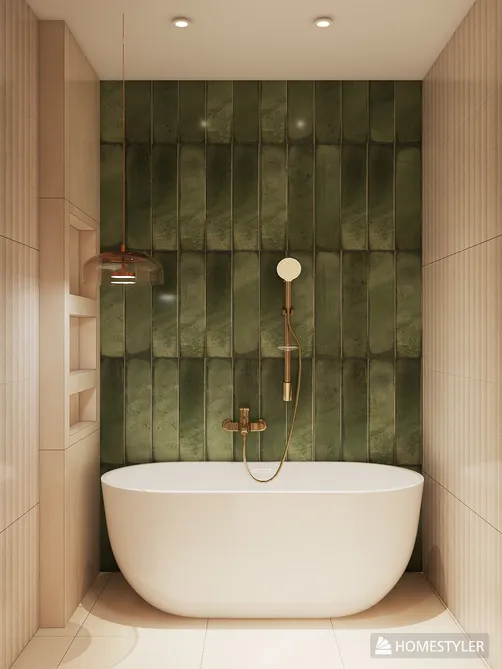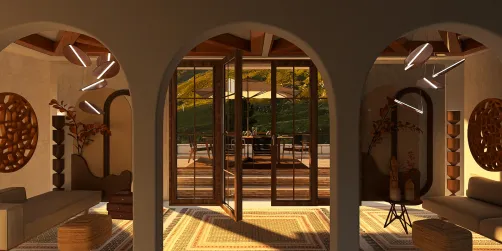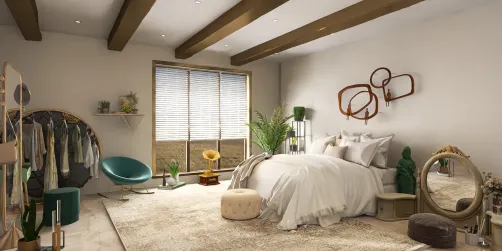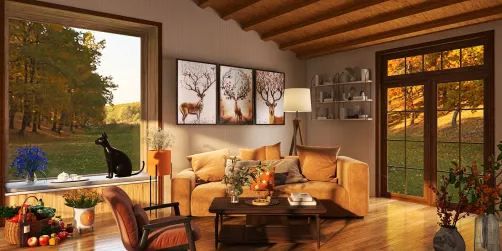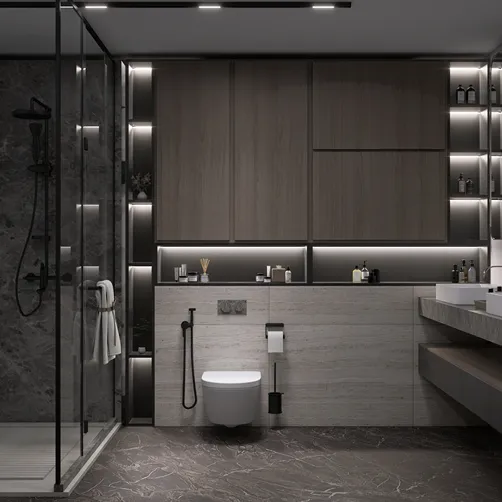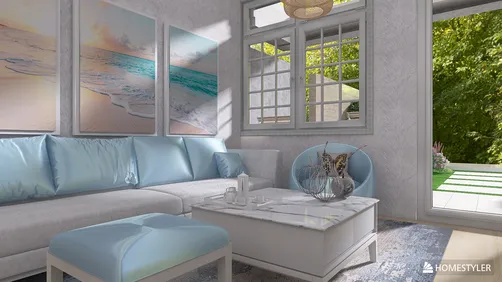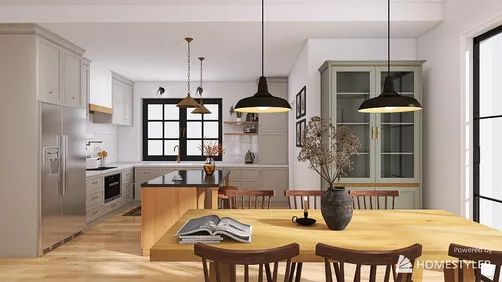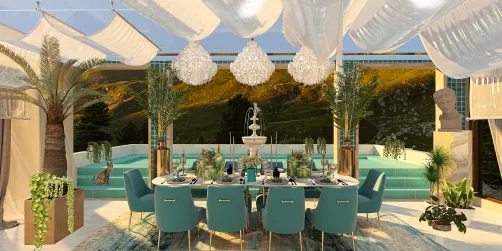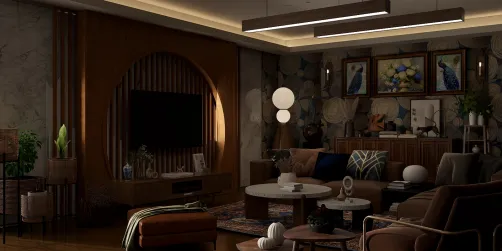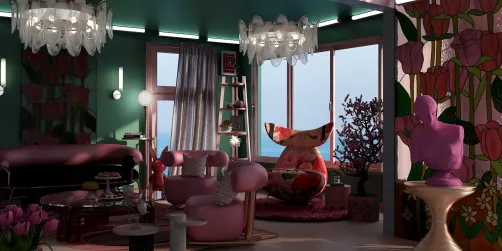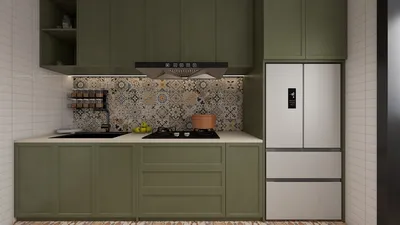


Postmodern design stands out as a distinctive style that champions individuality, non-conformity, and innovation. Its rising popularity in the real estate decoration sphere is undeniable. This approach not only fulfills a desire for beauty but also mirrors personal tastes and requirements, making it a preferred choice for many.
A key feature of postmodernist design is its focus on the texture of various materials. This style typically incorporates natural elements, including wood, stone, and metal, alongside contemporary materials such as glass and steel. The synergy of these components results in a captivating artistic effect that invigorates spaces.
Additionally, postmodern design embraces spatial transformation and irregularity. It moves away from traditional symmetry and balance, opting instead for a fluid, dynamic interplay of space. By utilizing a diverse palette of materials, colors, and shapes, it fosters environments rich in tension and vitality.
Importantly, postmodern design also prioritizes uniqueness and creativity, constantly probing beyond conventional design paradigms. By integrating distinctive colors, forms, and materials, it successfully dismantles traditional patterns, yielding exceptional design outcomes.
In conclusion, postmodern design has emerged as an influential style within the realm of real estate decoration. It not only meets aesthetic aspirations but also aligns with individual preferences. Therefore, in the decoration process, leveraging postmodern ideas can aid in crafting spaces that are not only striking but also functional and reflective of personal style, especially using tools like Homestyler for visualizing these concepts effectively.
Tips 1:
Incorporating a diverse array of textures and materials into your design can significantly enhance its artistic impact. Embrace asymmetrical designs and surprising color pairings to fully capture the postmodern spirit and make your space truly stand out.
FAQ
Q: What materials are typically associated with postmodern design?
A: Postmodern design often features a combination of natural materials such as wood and stone, alongside modern components like glass and metal, creating distinctive artistic expressions that resonate in various settings.