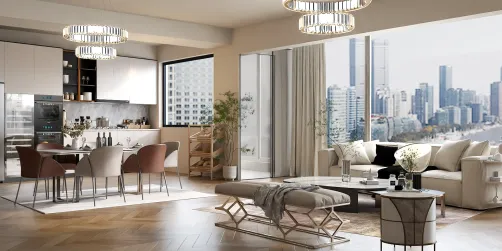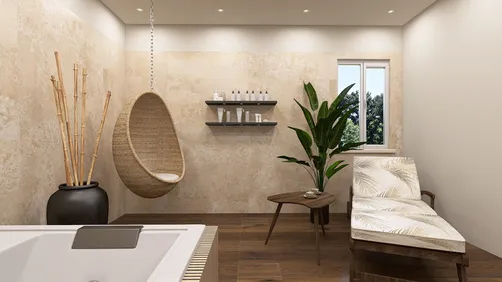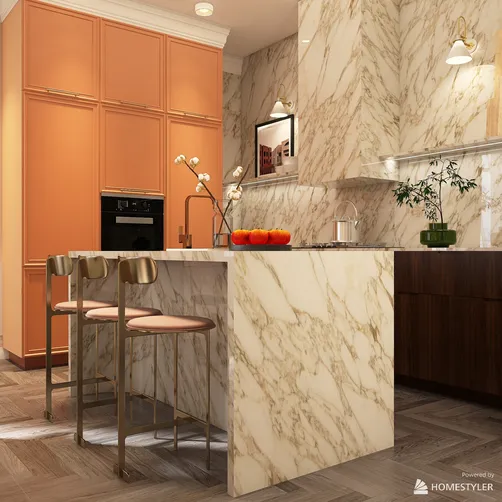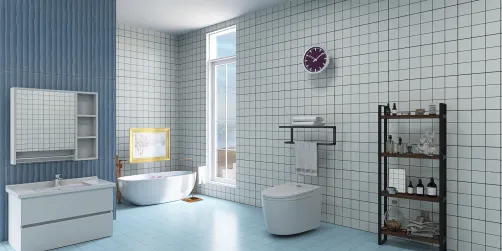
Having spent more than a decade designing interiors, I've witnessed various trends cycle through — currently, modern living room concepts are in vogue across platforms like Pinterest. Even compact areas can inspire remarkable creativity. In this article, I will share ten modern living room ideas that merge my design expertise with popular online trends, enabling you to revitalize your space with assurance.
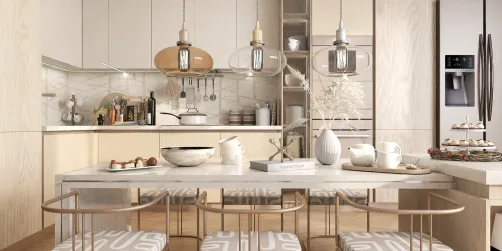
Minimalist Neutral Palette
My Perspective: Utilizing soft beiges, warm whites, and subtle greys can make your living room feel both serene and sophisticated. One client even expressed that their space felt like it allowed them to breathe freely once more.
Advantages: A neutral color scheme provides a timeless foundation that harmonizes well with any accent colors. This approach is central to contemporary design, as noted by Elle Decor, since it allows forms and textures to stand out.
Disadvantages: Without variations in texture, it may become bland or unexciting. Your sofa might blend into the wall color if there’s insufficient contrast.
Suggestion: Introduce a chunky knitted throw or a natural jute rug to keep the aesthetic tactile and visually appealing.
Statement Lighting Fixtures
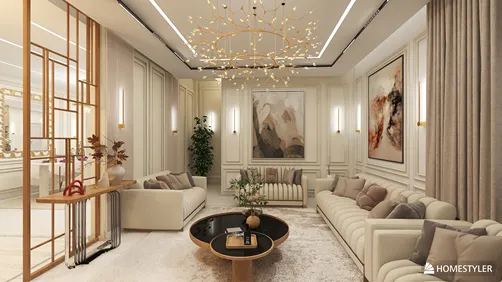
My Perspective: I love using oversized pendant lights or artistic floor lamps as anchors in the living area. For instance, a striking brass chandelier I incorporated in a recent project became a key conversation starter.
Advantages: It immediately draws the eye upwards, giving the illusion of higher ceilings and also serves as functional decor, an essential element in modern living room design.
Disadvantages: Quality statement lighting can be costly, and installation may require professional assistance.
Example: Large pendant lights work beautifully above a coffee table, establishing the central area — akin to results seen in minimalist living room designs I’ve created.
Open Concept Flow
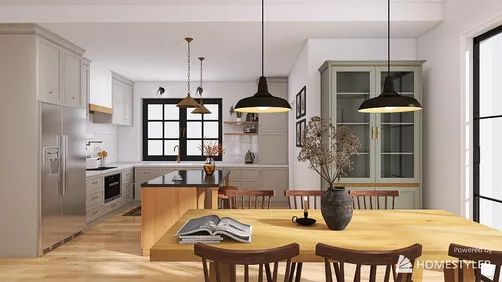
My Perspective: Taking down walls between the kitchen and living room fosters a cohesive entertaining area. I enjoy observing families preparing meals and conversing without barriers.
Advantages: This layout enhances natural light and makes smaller spaces feel considerably larger, promoting connection among inhabitants.
Disadvantages: It limits wall space for storage or displays, and cooking odors may permeate throughout the area.
Suggestion: Implement a change in flooring texture to subtly delineate areas without creating physical barriers.
Layered Textures
My Perspective: One of my favorite transformations involved mixing velvet cushions, a leather armchair, and a shag rug — clients were captivated by the touch of different fabrics!
Advantages: This layering adds depth and creates an inviting atmosphere, essential for contemporary designs that may otherwise feel overly stark.
Disadvantages: Excessive patterns or textures can lead to a chaotic rather than a well-organized appearance.
Budget Tip: Begin with decorative pillows and throws before making larger purchases of textured furniture items.
Glass Partitions for Light
My Perspective: Glass dividers enable you to create designated areas while maintaining natural light flow. In my own studio flat, a frosted glass partition allowed me to separate my workspace from the lounge without sacrificing brightness.
Advantages: This solution preserves an airy ambiance while adding an architectural touch. Architectural Digest highlights glass features as a signature of elegant, light-filled interiors.
Disadvantages: Regular maintenance is needed to keep glass pristine, and it may feel too cold if not complemented with warmer elements.
Example: This glass partition design demonstrates how to keep a space bright while defining areas effectively.
Bold Accent Wall
My Perspective: A rich navy wall behind a neutral sofa dramatically revived a client’s dull space into a Pinterest-worthy setting.
Advantages: It adds focal interest and personality to the room without overpowering the rest of the decor.
Disadvantages: An abundance of dark colors can make smaller areas feel increasingly cramped.
Suggestion: Balance darker hues with lighter furnishings and reflective surfaces to enhance the room's openness.
Low-profile Modular Sofas
My Perspective: I appreciate these for their design and practicality; they are adaptable and perfect for relaxed lounging.
Advantages: They maintain clear sightlines, making your living space appear more spacious, which is beneficial in open-concept apartments.
Disadvantages: They might lack the back support some prefer for extended sitting periods.
Indoor-Outdoor Connection
My Perspective: Sliding glass doors that lead to outdoor spaces can completely transform how your home functions. I've seen clients enjoy morning coffee on their decks due to easy access.
Advantages: They invite abundant natural light, enhance ventilation, and extend your living space.
Disadvantages: This setup may compromise privacy, and installation can be expensive if structural adjustments are necessary.
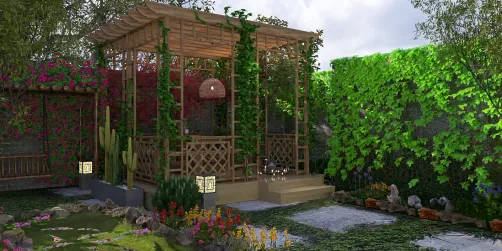
Design inspiration: Discover this indoor-outdoor flow that optimizes light and enhances livability.
Built-in Storage Solutions
My Perspective: Creating floor-to-ceiling shelves around the TV unit has enabled numerous clients to declutter their spaces while showcasing their personal style.
Advantages: These solutions blend functionality with aesthetic appeal, ideal for smaller contemporary living rooms where every square inch is valuable.
Disadvantages: Permanent fixtures can limit your ability to rearrange furniture flexibly.
Art as a Focal Point
My Perspective: An oversized piece of art hung prominently above the sofa can set the overall mood of the room. I once collaborated with a photographer client whose striking black-and-white print became the centerpiece of their home.
Advantages: This instantly adds a stylish statement and reflects personal taste, making the space distinctive.
Disadvantages: Large artworks can be costly, and trends in art can fluctuate.
Summary
Ultimately, whether you’re working with a small or expansive living room, consider it an opportunity for more thoughtful, innovative design. Contemporary living room ideas focus on understanding spatial proportions, textures, and personal elements. As the American Society of Interior Designers highlights, effective design harmonizes form and function tailored to individual lifestyles. So, which of these concepts will you implement first?
FAQ
1. What characteristics define a contemporary living room?
Typically, contemporary living rooms feature clean lines, neutral shades, and functional furniture pieces, often enhanced by statement lighting or bold artwork.
2. How can I create the illusion of space in a small living room?
Incorporate light colors, utilize mirrors, and select low-profile furniture. Open layouts and glass partitions can also contribute significantly.
3. Are Pinterest ideas practical for actual homes?
Absolutely — but remember to adjust them based on your home's layout, budget, and specific needs. Many designs can be adapted.
4. What type of lighting suits a contemporary living room best?
A layered lighting approach works optimally — combining overhead fixtures, task lighting, and accent lamps provides versatility and atmosphere.
5. How do I integrate color while maintaining a contemporary flair?
Keep large elements and walls neutral, then introduce color through smaller items like cushions, rugs, or a singular accent wall.
6. Is investing in built-ins worthwhile?
If you require additional storage and plan to stay in your home long-term, built-ins can effectively utilize space. The National Association of Home Builders emphasizes storage as a crucial aspect for resale value.
7. How vital is texture in modern design?
Extremely important — texture injects warmth and dimension into otherwise minimalistic spaces.
8. Is it possible to blend modern and traditional elements?
Definitely, mixing styles can add a personal touch to the room. The key is to maintain balance in proportion and color schemes for a cohesive design.
Discover the magic of home design with Homestyler! This user-friendly platform offers an intuitive online design tool, stunning 3D renderings, and a wealth of DIY video tutorials. Whether you're a seasoned designer or a novice, Homestyler empowers you to transform your space effortlessly!