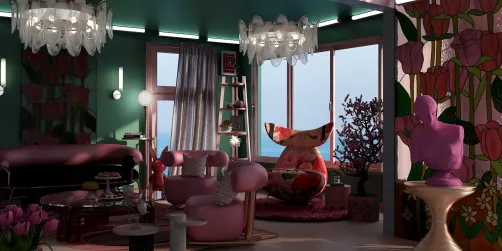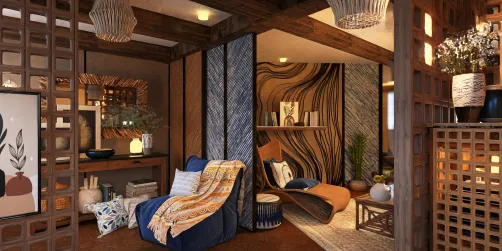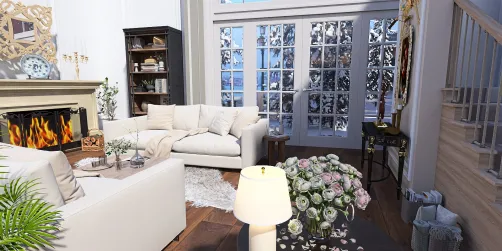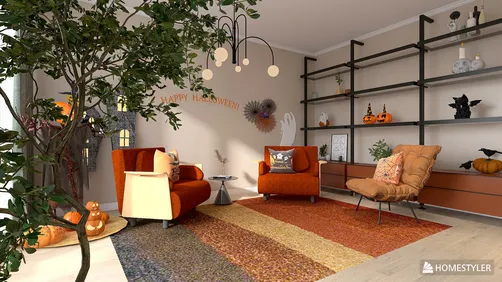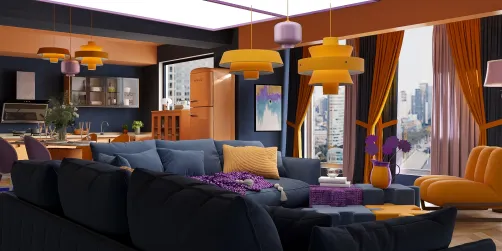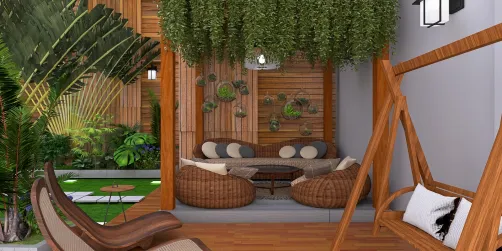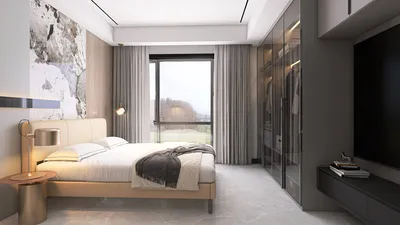
Arranging your apartment’s living room can be an exhilarating yet daunting task, particularly when space is at a premium. The secret lies in designing a layout that combines functionality with aesthetic appeal. Start by evaluating the dimensions of your room and identifying your specific requirements. Are you aiming for a cozy area to entertain friends, or is relaxation your primary goal? Answering these questions can help you envision your perfect layout, potentially with the aid of a tool like Homestyler to create a visual representation.
1. Measure Your Space
Before you begin relocating furniture, it’s essential to accurately measure your living room. Record the room’s dimensions, including the length, width, and ceiling height. Don’t forget to account for doors and windows, as they will influence your furniture arrangement. With these measurements in hand, you can draft a floor plan to explore various layout possibilities.
2. Choose a Focal Point
A well-designed living room features a focal point that captures attention. This could be a striking fireplace, a large window showcasing a beautiful view, or an impressive piece of art. Once you establish your focal point, arrange your furniture accordingly. For instance, if the fireplace is your focal point, position your seating to face it, creating a warm and inviting atmosphere.
3. Select Functional Furniture
When selecting furniture for a compact living room, prioritize multi-functional pieces. A sofa bed serves as seating during the day and converts into a bed at night for guests. Consider coffee tables with built-in storage to help maintain an organized space. Additionally, nesting tables or movable ottomans can provide versatility in arrangement.
4. Create Zones
In a spacious living room, think about dividing the area into distinct zones for various activities. You might designate one corner for watching TV, another for reading, and even a small workspace. Use rugs to visually separate these areas. For example, a sizable area rug under the main seating can anchor that zone, while a smaller rug in the reading nook can enhance the cozy vibe.
5. Optimize Traffic Flow
Ensure there is an unobstructed path throughout the room, facilitating comfortable movement. Avoid positioning furniture in ways that block doorways or create a sense of congestion. Ideally, maintain at least 18 inches of space between furniture items to promote ease of mobility.
6. Use Vertical Space
Maximizing vertical space is crucial in a small living room. Consider installing shelves or utilizing tall bookcases to draw the eye upward, creating the illusion of higher ceilings. This strategy not only increases storage options but also elevates the room's overall design.
7. Incorporate Personal Touches
Lastly, don’t overlook the importance of personal touches in your living space. Art, family photos, and decorative items can express your personality and add a sense of warmth. Think about curating a gallery wall or displaying cherished pieces that tell your unique story.
FAQ
Q: What is the best layout for a small living room? A: The most effective layout generally features a sofa facing the focal point, with additional seating positioned to encourage conversation. Utilize corners effectively with accent chairs or shelves for added functionality.
Q: How do I make my small living room feel larger? A: Incorporate mirrors to reflect light, opt for light-colored walls and furnishings, and refrain from overcrowding the space with excessive decorative elements.