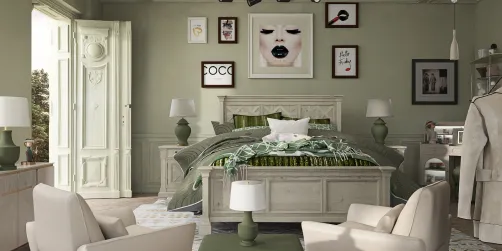
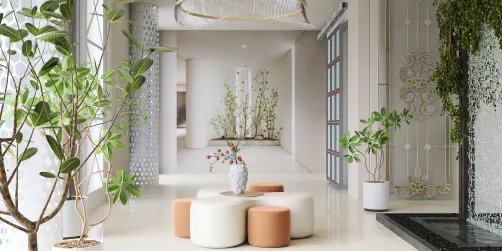
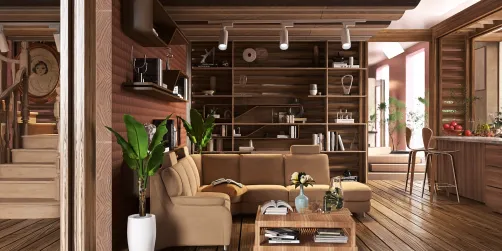
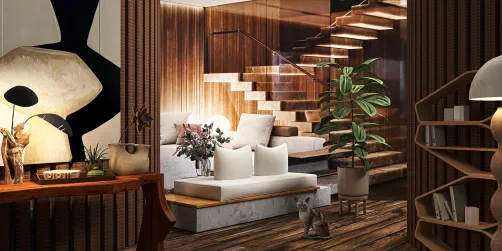
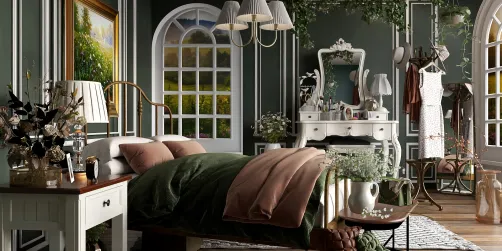
In small homes, stairs can serve multiple purposes: facilitating movement, providing storage, transferring light, and even offering seating options. A thoughtfully designed staircase can enhance usable floor space by 10-20% by integrating various functions without overcrowding the area. In compact designs, every element of the stairs—from treads to balusters—can be utilized for greater functionality and aesthetic appeal, making tools like Homestyler invaluable for visualizing these transformations.
Research highlights the significance of design choices affecting movement and comfort. The WELL v2 guidelines suggest stair designs that encourage active circulation, positively impacting overall health. Furthermore, the Illuminating Engineering Society indicates that residential lighting should achieve 300-500 lux, while also managing glare to ensure safety. Steelcase's studies reveal that intuitive stair arrangements enhance daily routines and decrease cognitive load, thereby making small homes safer and more efficient. This evidence confirms my own experiences: optimal stair design significantly improves daily living.
Color psychology is another vital element for successful small staircases. According to Verywell Mind, applying lighter, cooler shades can create the illusion of more spaciousness and serenity. By utilizing a matte finish to minimize glare, a pale stairwell can appear brighter without requiring additional fixtures. When stairs are positioned centrally, adjusting the color temperature to 2700-3000K on landings and 3000-3500K on treads creates a more comfortable visual journey.
Choosing the Right Stair Configuration: Straight, L-shaped, or U-shaped
In compact residences, straight stair runs are typically the most space-efficient, fitting into a linear wall space of 8-12 feet. L-shaped staircases introduce a landing, which enhances safety while offering storage beneath both sections. U-shaped (switchback) stairs reduce length further but require careful assessment of headspace. As I explore different options, a room layout tool, such as Homestyler, helps me visualize clearances, head heights, and potential circulation issues before finalizing the design.
Balancing Proportion and Comfort: Riser-Tread Ratios
For comfort in small staircases, I aim for a riser height of 7-7.5 inches and a tread depth of 10-11 inches, adhering to local building codes. Following the classic guideline of 2R + T ≈ 24-25 inches ensures a natural walking pattern. In micro-homes, incorporating a landing every 12-15 risers allows for breaks and eases the strain when carrying items. In tight spaces, minimizing tread nosing projection can prevent toe stubs without compromising sufficient run.
Utilizing Under-Stair Space: Drawers, Closets, and Practical Storage Solutions
The void beneath a straight staircase can be optimized for storage. I recommend tiered drawers that align with the stringer for shoes and everyday items, a compact closet under the landing for cleaning supplies, and an open niche with a peg rail for bags. For homes with limited floor area, this under-stair storage can accommodate an entire wardrobe's worth of items. It's also essential to ensure ventilation in enclosed spaces to prevent stale air and consider adding a kickspace heater or vent to regulate temperature.
Illuminate the Vertical Path
Safety on stairs is greatly enhanced by consistent lighting. I adopt a layered strategy: indirect wall lights or LED strips integrated into the handrail for baseline illumination of 300-350 lux; accent lights on every 3-4 treads; and either a pendant fixture or skylight on the landing for orientation. Maintaining a unified color temperature helps to avoid visual distractions. Controlling glare is crucial; baffle fixtures and selecting matte paints for stringers and risers can reduce reflection.
Materials That Provide Functionality
Small homes gain significantly from using durable and lightweight materials. Closed risers with cork or rubber underlayment can minimize noise, while hardwood treads with slightly rounded edges offer stability and longevity. Steel stringers or laminated timber contribute to a sleek profile in tight corners. Choosing sustainable materials—such as FSC-certified timber, low-VOC finishes, and recycled metals—can also promote healthy indoor air without visual heaviness.
Streamlined Railings: Enhancing Sightlines and Safety
Guardrails influence the perceived size of a staircase. Opting for thin steel balusters spaced 3-4 inches apart or using tensioned cables maintains transparency while adhering to safety standards. For a warmer aesthetic, slim wooden top rails atop metal posts provide a comfortable grip without adding bulk. Where additional privacy is required, perforated metal screens can offer visual separation without obstructing light.
When to Implement Spiral and Alternating Treads
Spiral stairs are efficient in saving space but require careful considerations regarding tread depth and center pole dimensions to avoid pinch points. Alternating-tread stairs are best suited for lofts or infrequent-use areas; they cut the run length in half but necessitate focused attention during use. I incorporate these designs when square footage is at a premium, but I refrain from using them as primary stairs in homes with children or older adults.
Sound Management in Small Spaces
Compact homes tend to amplify sound. To address this, wrapping stringers in resilient mounts, applying acoustic underlayment above living spaces, and sealing gaps at wall intersections can help prevent noise transfer. Soft landings, such as a runner or cork planks, can absorb impact sound and provide traction, which is especially beneficial for households with pets and children.
Maximizing the Utility of Landings: Workspaces and Seating Areas
Landings can be more functional than just transition points; a 36-42 inch deep landing can house a narrow desk for sorting mail, a bench with drawers for storage, or a space for folding laundry near the washer. It's important to ensure clearance is compliant with regulations and to position furniture to avoid obstructing walking paths. If natural light is limited, installing a clerestory window above the landing can illuminate both floors effectively.
Strategizing Color and Perceived Weight
A dual-tone color scheme can help small stairs appear less substantial; using pale risers and walls contrasted with slightly darker treads delineates the edges without overcrowding the space. Soft neutral colors—like sand, oatmeal, and greige—ensure that the color temperature aligns well with 3000K lighting. High-contrast stripe designs should be avoided, as they might distort depth perception; instead, consider a subtle highlight or a thin nosing for edge definition.
Ergonomics and Handrail Design
For comfort, a handrail diameter of 1.5-2 inches enhances grip, particularly for smaller hands. I prefer a continuous handrail design that includes a gentle curve at the end to prevent accidental catches. The mounting height generally falls between 34-38 inches; on narrower stairs, a slightly lower placement improves usability without feeling cramped. If the stair edges align with doors, it is advisable to add wall guards or modify door swings to avoid conflicts.
Harnessing Natural Light and Ventilation
Stairwells can act as conduits for natural light. A slim skylight positioned over the top landing can channel daylight downwards; glass panels in the risers or open risers (where permissible by code) also allow light to flow. Additionally, the stairwell can function as a thermal chimney; incorporating an operable high window facilitates summer ventilation, while ensuring tight seals plus a stairwell door aid in winter temperature control.
Safety Compliance and Regulations
Compact design does not exempt one from safety standards. It is crucial to keep riser heights consistent, utilize anti-slip nosing, and ensure edges are visible. If a stairway turns, consider adding a larger winder at the inner radius or using a landing to sustain tread depth. Installing dedicated circuits for stair lighting, coupled with night settings, provides safety for late arrivals. Families should integrate child gates at the bottom of stairs with concealed anchors for added protection.
Process: From Conceptualization to Construction
In small homes, I begin prototyping stairs at an early stage: employing cardboard mockups to assess riser comfort, using tape on the floors to visualize landings, and utilizing digital tools like an interior layout planner to confirm clearances and avoid furniture conflicts near stair openings. This approach minimizes surprises during construction and assists contractors in forming accurate estimates.
Budget-Friendly Design Choices
To manage expenses effectively, I recommend standardizing tread sizes, opting for off-the-shelf steel posts with custom caps, and focusing custom investments on handrail design and lighting—two elements that significantly enhance the overall user experience.
Sustainable Maintenance and Durability
Select finishes that are forgiving: satin or matte sheens can decrease the visibility of scuff marks; removable stair runners provide protection during move-ins; and modular storage units under stairs allow for easy replacements. Keeping a compact touch-up kit within reach at the landing ensures quick repairs when needed.
Frequently Asked Questions (FAQ)
A typical comfortable straight staircase requires about 9-11 feet in length and 3-3.5 feet in width, depending on local regulations. If the run exceeds 12-15 risers, a landing should be incorporated.
A baseline illumination of 300-350 lux along the staircase using uniform, low-glare fixtures is optimal. Incorporating soft accent lighting on landings and step lights spaced every few treads aids in enhancing edge visibility, in alignment with IES guidance.
While spiral stairs can save considerable space, they are ideally suited as secondary options. Their main usage can be cumbersome for children, seniors, and when transporting sizable items. Generous tread depth near the walking line and a sturdy handrail are crucial if selected as the primary staircase.
A riser height of approximately 7-7.5 inches and a tread measurement of 10-11 inches strike a balance between comfort and spatial efficiency. Keep the 2R + T ratio close to 24-25 inches and maintain consistency in measurements to prevent trip hazards.
Integrate angled drawers that conform to the stringer, shallow closets beneath landings, and open niches with matte finishes for a clean look. Ensure adequate ventilation in enclosed storage and keep fronts flush to enhance sightlines.
Place resilient underlayment beneath treads, use closed risers, and select soft landings like cork or runners to minimize sound. Sealing junctions helps to prevent noise transfer through wall cavities.
Utilizing thin steel balusters, tensioned cables, or perforated metal panels ensures transparency while upholding safety standards. Pair these with a slim wooden top rail for a pleasing feel and secure grip.
Lighter and cooler color tones can visually enlarge compact spaces. Adopting a two-tone design with pale risers and slightly darker treads can provide clear delineation without extreme contrasts that may disrupt depth perception.
Yes, alternating treads are suitable for infrequently used lofts or studios. They considerably shorten the run but demand one's concentration when using them and are not advised as everyday staircases for families or guests.
To prototype effectively, use tape on the floors and employ a digital interior layout planner to check clearances. Ensure that furniture does not encroach on stair landings and that door swings remain clear of the stair's edge.
Incorporate skylights or elevated windows to draw light into the well, consider open risers where allowed, and apply matte finishes to lessen glare. The stairwell can also function as a natural ventilation pathway with operable windows installed at the top.
To keep costs in check, standardize tread dimensions, select off-the-shelf hardware with custom caps, and invest in the comfort of handrails and layered lighting. These improvements elevate everyday experiences while minimizing significant custom expenses.
Built on technology originally developed at Autodesk, Homestyler empowers anyone to design beautiful, realistic spaces in minutes. Join over 20+ million registered users (platform data, 2026) who have already discovered a smarter way to plan, visualize, and bring their dream homes to life — all from the comfort of a browser.
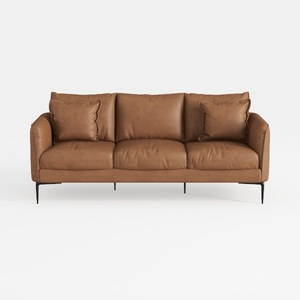
Modern Minimalist Brown Leather 3 Seater Sofa With Black Metal Legs 3D Model

Minimalist Japandi Solid Wood Rattan TV Cabinet 3D Model

Modern Tan Leather Tufted 3 Seater Sofa 3D Model
Homestyler is an amazing online home design platform that empowers you to create stunning interiors effortlessly. With its user-friendly design tool, impressive 3D renderings, and an array of design projects and video tutorials, you can unleash your creativity and transform your spaces like a pro!
Progetta ora GRATIS













![[For dear Adelina madee 🤎]](https://hs-designs.homestyler.com/production/design/images/8a07e535-9cbc-4132-a42a-5932dac3a112/1706972286037.jpg?x-oss-process=image/resize,w_502,m_mfit/format,webp)