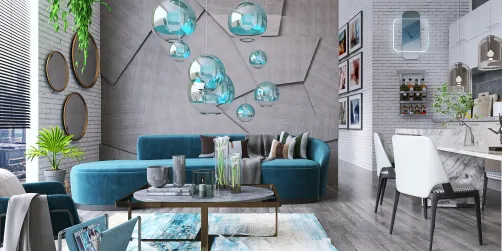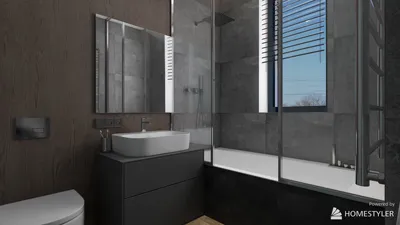



Mirrors offer more than just a reflection; they can transform perception, enhance lighting, and declutter visual spaces when utilized thoughtfully. In compact living quarters and urban settings, a strategically positioned mirror can create the illusion of depth by over 30%, depending on the interplay of light and sightlines. This approach is one I frequently implement in narrow entryways and living rooms. Studies consistently affirm the importance of light and reflection: the WELL v2 Light concept underscores that appropriate lighting levels and glare management promote comfort and well-being, while guidelines from the IES highlight the necessity for balanced luminance to help alleviate visual fatigue. Moreover, Steelcase notes that enhancing environmental comfort—lighting inclusive—can significantly enhance user satisfaction and performance, emphasizing the design advantages of using mirrors to amplify light.
The principles of color psychology complement mirrors effectively. As per a compilation by Verywell Mind, lighter colors like soft blues and warm neutrals create a sense of spaciousness and tranquility, while deeper shades might constrict space unless balanced by reflective elements. In my designs, pairing a light, matte wall finish with a substantial, low-iron mirror often boosts perceived brightness by one to two stops in areas with a single window, without creating glare when the mirror is angled away from direct sunlight. For workspace areas, I consider mirror positioning alongside task lighting levels, adhering to IES recommendations, to ensure comfortable contrast ratios and avoid hotspots.
Human factors are also crucial: the height of a mirror, its edge design, and its placement can affect comfort and safety. I typically install larger mirrors so that their center aligns with 57-60 inches off the floor for most users, maintaining at least a 36-inch clear passage in tight corridors. In acoustically lively spaces, combining mirrored panels with textiles (like rugs and drapes) helps to manage reverberation; solid glass can reflect sound, so balance is essential. Thoughtful positioning can also encourage specific behaviors—mirrors placed near exits allow for quick checks without obstructing movement, while oversized mirrors facing greenery can extend biophilic views, subtly enhancing mood.
Prioritize sightlines before installation.
Begin by determining what you want the mirror to reflect. The most effective installations can double the view of a window, artwork, a bookshelf arrangement, or a planted balcony. Avoid reflecting clutter or bright fixtures directly, as this can create distracting noise and glare. In small living areas, positioning a vertical mirror next to the window wall at a slight angle (10-20°) allows it to capture daylight and distribute it throughout the room while avoiding direct reflections of bare bulbs or harsh sunlight.
When arranging furniture and wall decor, creating a quick digital mockup can be invaluable. If you're experimenting with the best arrangement across various scenarios—such as sofa orientation, dining nooks, or compact entries—using a tool like an interior design planner can help simulate different angles, sconce heights, and door swings before making any permanent changes.
Employ large mirrors judiciously.
In compact areas, a single oversized mirror often proves more effective than multiple smaller ones. A single panel measuring 36-48 inches above a console table can minimize visual fragmentation and establish a prominent axial line. The thickness of the frame is significant: slender metal or flush wood frames appear lighter, whereas thick, ornate frames add character but can create a more cumbersome feel. For rented spaces, leaning mirrors (secured with anti-tip hardware) can provide flexibility while minimizing wall damage.
Achieve balance between reflectance and glare.
Greater reflection doesn't always equate to better illumination. Position mirrors to align with ambient light sources; north or east-facing light tends to be softer for prolonged use. If a fixture has exposed elements or LEDs, avoid direct reflections; instead, flank mirrors with diffused sconces in the 2700-3000K range for living areas, or 3500K for workspace settings to ensure a warm clarity. Maintain comfortable luminance ratios by pairing mirrors with matte finishes (LRV 60-80) on opposite walls to prevent bounce-back glare.
In entryways, elongating the corridor is key.
In narrow hallways, a floor-to-ceiling mirror at the end can visually elongate the space. If the corridor measures under 40 inches wide, choose a narrow frame and add a slim console (10-12 inches deep) beneath a wall sconce to softly illuminate the mirror and avoid harsh front lighting. Adding a woven runner and fabric-wrapped sconce shades can help soften both acoustics and visuals.
In living rooms, focus on expanding the social core.
Placing mirrored niche backs beside a fireplace can augment the wall plane without evoking a fitness center ambiance. In compact apartments, a horizontal mirror set about 8-10 inches above the sofa enhances the perception of width, while a tall mirror positioned near a window can amplify natural light. To minimize glare and distraction, avoid placing a mirror directly across from a TV. If necessary, consider using smoked or bronze-tinted glass to achieve reflection without overwhelming brightness.
In dining areas, create depth without visual distraction.
A mirror along a banquette can effectively double the visual seating and brighten mealtimes. Align the mirror's top edge with the heads of doors and windows to maintain a visual rhythm. If pendant lighting hangs above the table, ensure that their diffusers are opaque or prismatic so the reflected image isn't overly sharp. In small dining corners, using a triptych of narrow mirrors separated by slim dividers can create architectural rhythm and controlled sparkle.
For bedrooms, aim for tranquility rather than sterility.
Mirrors positioned near wardrobes or vanities are essential, but it's best to avoid large reflective surfaces directly within the line of sight from the bed if you are sensitive to nighttime reflections. Frosted edge treatments and soft wall lamps can help minimize contrast in the evening. In smaller rooms, a mirrored armoire or sliding closet doors can serve functional purposes without adding another wall element. Opt for warm 2700K lighting during nighttime to establish a relaxing atmosphere, and avoid directing fixtures toward the mirror.
In bathrooms, prioritize clarity and comfort.
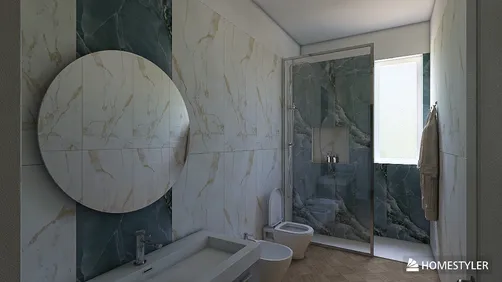
In compact bathrooms, wall-to-wall mirrors above the vanity can create the illusion of a higher ceiling. Backlit mirrors provide a gentle, uniform illumination for grooming and diminish harsh shadows. Opt for lamps with a CRI of 90+ to ensure accurate color rendering. Small anti-fog mirrors in shower stalls add practicality, but avoid full-height placements to reduce potential sound amplification in tile-heavy spaces.
In kitchens and micro-studios, reflective backsplashes enhance space.
Mirror or super-polished metallic backsplashes can create a sense of openness in a galley kitchen. Use low-iron mirror with protective backing and specify tempered or laminated glass near heat sources for safety. For those concerned with fingerprints, consider etched or antiqued finishes that minimize the appearance of smudges while maintaining reflectivity.
Select the appropriate type of mirror.
Low-iron mirrors eliminate the green tint and provide truer whites, which is crucial when paired with light palettes. They typically appear brighter and are well worth the investment in small, light-sensitive spaces.
These mirrors add depth without excessive specular bounce, making them ideal for creating a sense of space without overwhelming intensity. I often utilize them behind bar shelves or along corridors needing atmospheric enhancement.
Frameless mirrors offer a contemporary and seamless look, especially when installed between wall panels. Slim frames can reflect the finishes of surrounding hardware (blackened steel, satin brass) to unify the room's aesthetic.
Ergonomics and safety are paramount.
Mount mirrors at a height where the average eye level meets the middle third of the surface. For households with children, consider a staggered arrangement: a full-length panel for outfits and a smaller, face-height mirror for kids. In seismic areas or rental units, ensure the use of safety film or laminated mirrors, along with anti-tip restraints for leaning designs, and appropriate anchors based on the wall's material.
Acoustics: soften sharp sounds.
Mirrors reflect both light and sound. To balance large mirrored surfaces, incorporate soft materials: wool rugs, lined drapery, upholstered furniture, and acoustic panels. Even a modest increase of 20-30% in soft furnishings can significantly reduce echo, creating a calmer environment despite the presence of reflective surfaces.
Color pairing and mood establishment are essential.
Mirrors enhance whatever color scheme you select. To achieve an airy, uplifting ambiance, pair mirrors with low-saturation colors and natural materials—think oatmeal linens, light oak, and pale stone. If your preference leans toward darker hues, keep mirrors smaller or opt for smoked glass to prevent harsh contrasts. Cooler palettes with mirrors tend to create a larger perception of space, whereas warmer combinations with gentle reflectivity deliver a more intimate feel.
Layered lighting integrated with mirrors.
Fuse ambient, task, and accent lighting. Mirrors can effectively amplify the effects of accent illumination on art while evenly washing walls when placed opposite diffused uplights. Ensure dimming controls are easily accessible; adjusting to a lower setting in the evening mitigates glare while preserving depth.
Installation and detailing are crucial.
Measure carefully, and then use painter’s tape to outline scale before purchasing. Specify the finishing for edges (polished, beveled) and plan for any necessary outlet cutouts if you are implementing wall-to-wall mirrors. Always take into account wall flatness; shimming can help remove distortion effects. For wet areas, use corrosion-resistant backings and ensured edges.
Embrace sustainable options.
Choose durable mirrors and reliable backing to prolong their lifespan. Where possible, reuse existing frames and explore second-use options for minor projects. Pair mirrors with LED lighting and smart controls to minimize energy consumption; optimizing brightness and glare corresponds with comfort objectives noted in WELL recommendations and best lighting practices.
Common layouts that yield results (efficient recipes).
A seamless process for small homes begins with sketching focal points, simulating various placements with a room layout tool, confirming lighting styles and temperature, selecting mirror finishes and frames, testing with tape, and then installing with suitable anchors and safety measures where warranted. Maintain one striking mirror as the focal point while allowing supporting reflective accents to remain subtle.
FAQ about mirror application and optimization.
Q1: How can mirrors create a more spacious feel in a small living area without adding glare?
A1: Position the mirror to reflect soft daylight from the side rather than directly opposite a bright window. Combine this with matte wall finishes and diffused lighting in the 2700-3000K range. Keep exposed bulbs out of direct reflections and implement dimmers for evening relaxation.
Q2: What mirror size is ideal for a narrow entryway?
A2: A full-length mirror measuring around 24-36 inches wide maintains an elegant proportion without obstructing traffic flow. Place the mirror center about 57-60 inches from the floor and consider adding a slim console (10-12 inches deep) for storage if needed.
Q3: Are mirrored closet doors suitable for compact bedrooms?
A3: Yes, they save wall space while adding depth. Choose robust tracks, consider smoked or lightly tinted glass to soften reflections, and use warm, dimmable lighting to control the brightness as needed at night.
Q4: How do I choose between low-iron and conventional mirrors?
A4: Low-iron mirrors minimize the green tint and provide a brighter appearance, particularly well-suited for light themes and kitchens. Standard mirrors are cost-effective and work well with medium-to-dark palettes where color neutrality is less critical.
Q5: What’s the best way to install a large leaning mirror securely?
A5: Employ anti-tip straps anchored into studs or suitable anchors, place non-slip pads at the base, and consider safety film or laminated glass for homes with young children or in seismic-prone areas.
Q6: Which spaces benefit most from mirrored backsplashes?
A6: Galley kitchens and micro-studios are ideal candidates, where reflections can extend countertop surfaces and diffuse task lighting. Use tempered or laminated glass near heat sources and opt for etched or antiqued finishes to conceal fingerprints.
Q7: How do mirrors influence acoustics and how can I address this?
A7: Mirrors reflect sound; mitigate this by introducing soft materials such as rugs, drapery, and upholstered furniture. Even a thick rug and lined curtains can significantly reduce echo in smaller areas.
Q8: What kind of lighting pairs well with vanity mirrors for proper grooming?
A8: Utilize vertical sconces on either side of the mirror or opt for a backlit mirror with CRI 90+ lamps. Aim for a warm-neutral light in the 3000-3500K range while ensuring diffusers soften harsh shadows.
Q9: Can mirrors enhance a room without windows?
A9: Absolutely, but complement them with layered artificial lighting. A large mirror can amplify the effect of wall washers or uplighting, while placing art or plants opposite boosts depth and interest.
Q10: What framing style suits small spaces best?
A10: Slim metal or wooden frames reduce visual weight. Match the frame's tone to the room's hardware for cohesion—blackened steel for modern elegance, satin brass for warm contemporary, or natural oak for Scandinavian flair.
Q11: How do I avoid a sterile, “gym mirror” aesthetic at home?
A11: Varying panel orientations, applying antiqued finishes selectively, or introducing mullions can break up expanses. Ensure at least one wall remains matte to absorb light and maintain equilibrium.
Q12: What common mistakes should I evade when positioning mirrors?
A12: Avoid reflecting cluttered spaces, directly aligning mirrors with blazing sunlight, or mirroring a television screen. Always test placements using painter’s tape and check reflections from habitual seating and standing positions before finalizing installation.
What began as an Autodesk innovation has evolved into a design platform used by more than 20+ million registered users (platform data, 2026) around the globe. Homestyler combines powerful rendering, an intuitive editor, and a vast furniture library to help you turn inspiration into photorealistic designs — whether you're redesigning a single room or planning an entire home.

Vintage Carved Solid Wood Vanity Mirror Ornate Traditional 3D Model

Vintage Brass Ornate Oval Wall Mirror 3D Model


Vintage Brass Carved Framed Wall Mirror 3D Model
Looking for a user-friendly home design tool? Homestyler is your go-to! With its intuitive online design platform, stunning 3D renderings, a wealth of design projects, and engaging video tutorials, it's easy to transform your home ideas into reality—no experience needed!
Progetta ora GRATIS






















![Design [1]](https://hs-designs.homestyler.com/production/design/images/87c3311f-b762-48e5-aa6c-2a61ff42aaa8/1731347951087/7837764.jpg?x-oss-process=image/resize,w_502,m_mfit/format,webp)