I am drawn to compact structures in Minecraft, as they enhance survival gameplay by minimizing travel distances, speeding up crafting routines, and minimizing material waste. Well-planned small houses can still achieve a layered, sophisticated feel by carefully considering ratios, illumination, and spatial flow, similar to actual micro homes. In my experiences, the ideal dimensions range from 7x9 to 11x13 blocks—sufficient for a bed, a storage wall, a furnace setup, and a small farm or enchanting area without overcrowding.
Understanding space psychology is vital, even in a voxel environment. Research from Verywell Mind indicates that warmer colors enhance feelings of coziness, while cooler shades impart a sense of calmness and space; I prefer warm spruce interiors complemented by cool stone or birch to create a balanced atmosphere (source: verywellmind.com/color-psychology). In terms of lighting, applying glare control principles from the Illuminating Engineering Society effectively translates to Minecraft; diffuse your light sources (such as lanterns positioned behind trapdoors or end rods concealed by leaves) to prevent distracting single-source glare that could flatten texture (reference: ies.org/standards). These two concepts—color mood and glare management—significantly alter the ambiance of compact builds.
Effective Compact Footprints
I maintain a selection of reliable footprints: a 7x9 cottage, a 9x9 tower base, and an 11x13 L-shaped farmhouse. Each design prioritizes clear movement—a direct path from the entrance to the workbench—and optimizes vertical storage. To visualize furniture arrangements, tools like an interior layout planner can assist in testing spatial proportions before you actually place the blocks: interior layout planner.
7x9 Spruce Cottage
Structure: Constructed with spruce plank walls, stripped logs in the corners, and a cobblestone foundation. Roof: A gable with a 35-45° angle crafted from dark oak stairs, featuring stair-and-slab eaves to lessen visual bulk. The 7x9 design includes an eight-block length for a cozy bed nook, a two-block entryway, and a 3x3 utility area (crafting table + furnace + blast furnace + smoker). Adjacent to the entryway, a vertical storage column created with alternating barrels and chests takes advantage of height while maintaining sightlines.
By alternating dark and light surfaces—such as spruce interior walls, birch flooring, and a moss carpet runner—you can establish visual rhythm. My target material palette consists of 60% base wood, 30% stone or brick, and 10% accent materials (copper, moss, flower pots). This strategic selection ensures cohesion and prevents clash on the small surfaces.
9x9 Stone Watchtower Micro-Home
This tower design conserves space by stacking functions vertically and looks appealing on hilltops. The ground floor is dedicated to utilities and crafting, the second level serves as sleeping and storage areas, while the top level is an enchanting nook. A ladder or staircase spirals around the wall to save interior space. Soft, layered lighting is achieved by placing lanterns behind trapdoors at each landing, in line with glare reduction principles from lighting design.
Elevating the structure provides visibility over mobs and nearby villages. A stone-based palette (cobblestone combined with stone bricks and their cracked variants) offers blast resistance, crucial during early encounters with creepers. To maintain a dynamic facade, keep windows small using fences or iron bars as lattice inserts.
11x13 L-Shaped Micro Farmhouse
With L-shapes adapting well to the terrain, they create a sheltered courtyard. I position the kitchen wing along the shorter leg while utilizing the longer leg for storage and sleeping quarters. The courtyard features a 7x7 farm for crops like wheat and carrots, complemented by a composter near a water source. If visualizing furniture and farming areas, an interior layout planner can streamline iterations before committing to your block placements: interior layout planner.
Consider using oak along with stripped birch for a warm interior ambiance, accented with oxidized copper for visual appeal. Surrounding the structure with path blocks and coarse dirt creates a sense of wear while guiding movement. A shallow shed roof over the courtyard with campfires will enhance the crafted aesthetic without adding excessive bulk.
Optimizing Lighting for Small Builds
In small spaces, excessive lighting can flatten texture and diminish ambiance. I advocate distributing light sources at varying heights: lanterns at head level, candles on shelves, and hidden end rods in alcoves. It’s essential to consider both task and ambient lighting; task lights should be near crafting or enchanting areas while ambient lighting supports circulation zones. Avoid direct sightlines from sleeping areas to light sources to minimize glare, echoing the principles discussed within IES standards (ies.org/standards). Implementing a three-point lighting scheme can help achieve soft, navigable shadows.
Utilizing Color Psychology for a Micro Atmosphere
Warmer wood tones (like spruce or mahogany if modded) evoke a sense of intimacy, whereas cooler blocks (like smooth stone, calcite, or quartz) create a visual sense of spaciousness. The insights from Verywell Mind regarding warm and cool colors—and their effects on comfort and tranquility—can be effectively applied here. I favor warm interiors in survival bases to mitigate stress during nighttime, while cooler accents around workstations help maintain sharp focus.
Effective Storage Solutions Without Bulk
Emphasizing verticality is key; I use a mixture of barrels and chests stacked close to the ceiling, incorporate trapdoor-finished shelves to conceal visual clutter, and exploit the areas under stairs for additional storage. Implementing redstone for auto-smelting below the floor keeps surface areas unobstructed, with fuel routed via hoppers in compact loops. Within 7x9 and 9x9 spaces, I aim for 24-36 slots of directly accessible storage and designate overflow items to an external shed to maintain an uncluttered interior.
Acoustic Comfort and Control Over Mobs
Compact houses gain from acoustic dampening techniques to minimize crafting and furnace sounds. Panels made from wool blocks, carpets, and leaf screens function like soft finishes in sound design. Two-layered door setups or trapdoor baffles can mitigate noise from mob pathing, enhancing nighttime tranquility.
Ergonomics and Efficient Movement
Ensuring clear two-block pathways enables smooth navigation without bumping into furnaces or beds. Organizing workstations within a 5-6 block radius of the entrance facilitates quick access to tools, thereby saving time and reducing exposure during night cycles. Whenever feasible, opt for stairs instead of ladders; while ladders are compact, they disrupt flow when navigating with nearby mobs.
Styling Based on Seasons and Biomes
In taiga biomes, utilize spruce and stone with steep roofs that contrast against snowy landscapes. In desert settings, experiment with sandstone and acacia alongside flat roofs paired with shaded canopies made from fences and carpets. For swamp biomes, consider elevated foundations using mangrove wood and lattice screens that evoke porch-like spaces. Ensure the color palette aligns well with biome-specific sky tones; cooler skies complement warm woods, whereas warmer skies work well with lighter stones.
Implementing Exterior Rhythm and Detailing
Adopt a 1:2 spacing for pilasters (log, two planks, log) to create rhythm in your walls. Eaves that extend one slab beyond the wall line help lighten the appearance of mass. Introduce windows in non-standard spacing—either one or three block increments—to convey intentional design. To maintain a clean elevation, limit lantern placements to the corners.
Sustainable Building Practices (Resource Efficiency)
Source materials closest to your base: gather spruce or oak from forests, stone from hills, and sand from rivers. For layered roofs, prefer a stair design that provides depth without excessive wood. Additionally, compost farm waste to create bone meal loops. Early game trading with villagers can be advantageous for obtaining quartz or glowstone without extensive Nether exploration.
Potential Upgrade Paths
Begin with a 7x9 structure, then extend it by a half-bay (two blocks) to accommodate an enchanting nook. Consider transitioning from a flat roof to a gabled roof for attic storage benefits. In the future, you can bridge to a micro shed and watchtower for enhanced visibility of the perimeter. Always plan upgrades around circulation instead of cutting through the middle of rooms.
Frequently Asked Questions
Q1: What’s the most efficient small house footprint for early survival?
A 7x9 design keeps material use minimal while accommodating a bed, utilities, and a vertical storage unit. It facilitates clear circulation via a two-block entry and a 3x3 utility space.
Q2: How do I prevent lighting from feeling harsh in a small interior?
Incorporate layered light sources: lanterns hidden behind trapdoors, candles for ambient brightness, and a discreet light source (like end rods or glowstone tucked away behind leaves). This approach mitigates glare and softens shadows.
Q3: Which color palettes create a cozy but not cramped ambiance in small spaces?
Utilize warm woods as your base (such as spruce or oak) with accents of cool stone. Warmer hues communicate comfort, while cooler shades expand the perception of space—an idea well-supported by color psychology research.
Q4: What’s a clever storage strategy without enlarging the footprint?
Opt for vertical solutions using stacks of barrels and chests, trapdoor-faced shelves, and under-stair storage options while relocating overflow items to a detached shed to maintain clean aesthetics indoors.
Q5: Tower vs. cottage—which design is preferable in the early stages?
Towers (9x9) provide advantageous sightlines and security through vertical zoning, whereas cottages (7x9) are resource-efficient and quicker to furnish. I typically begin with a cottage and later integrate a micro tower for enhanced safety.
Q6: How can I create an enchanting area within a small home?
Consider establishing a half-bay extension or dedicating an additional level of a tower for this purpose. Utilize bookshelves as sound and visual buffers while ensuring easy access to the door.
Q7: Any advice on reducing noisy interiors?
Incorporate wool carpets, leaf screens, and double-door entries. Position furnaces in semi-enclosed nooks with trapdoors to disrupt sound lines.
Q8: What roof style looks best on small houses?
A gable roof with a 35-45° pitch combined with stair-and-slab eaves offers depth without overwhelming the structure's footprint. In desert environments, flat roofs complemented by canopies work best for shade and material savings.
Q9: What’s the best way to plan a layout before building?
Sketch out footprints and use a lightweight layout simulation tool to test furniture flows and confirm circulation and storage placements before you start constructing: layout simulation tool.
Q10: What are the go-to materials for early builds?
Spruce (for structure), cobblestone (for foundational work), and birch (for flooring). Later on, you can add copper accents to introduce visual depth and contrast.
Built on technology originally developed at Autodesk, Homestyler empowers anyone to design beautiful, realistic spaces in minutes. Join over 20+ million registered users (platform data, 2026) who have already discovered a smarter way to plan, visualize, and bring their dream homes to life — all from the comfort of a browser.

Minimalist Japandi Solid Wood Rattan 6 Drawer Dresser 3D Model

Minimalist Solid Oak Narrow Bookshelf Open Storage 3D Model
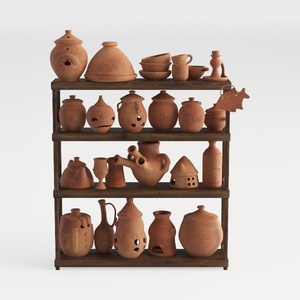
Rustic Terracotta Decorative Pottery Set with Wooden Shelf 3D Model
Looking to transform your space? Homestyler is your go-to online home design platform! With its user-friendly design tool, stunning 3D renderings, extensive design projects, and helpful video tutorials, creating your dream home has never been easier. Start designing today and unleash your creativity!
Diseño ahora GRATIS






![[14]](https://hs-designs.homestyler.com/production/design/images/2026-09-12/aa817543-bb43-4f3a-9583-2b2473af620f/1789226165872/10757139.jpg?x-oss-process=image/resize,w_502,m_mfit/format,webp)









![[For my dearest Sabrinik 🧡]](https://hs-designs.homestyler.com/production/design/images/3f463715-5ed6-4c49-9346-16d464510aa6/1714085722568.jpg?x-oss-process=image/resize,w_502,m_mfit/format,webp)