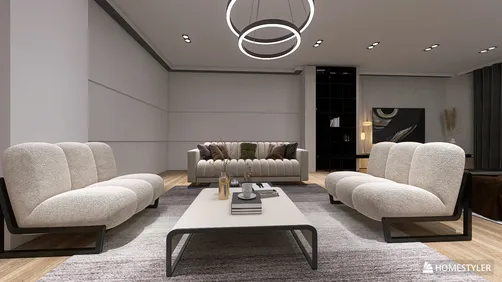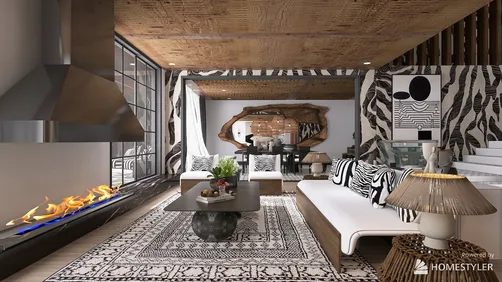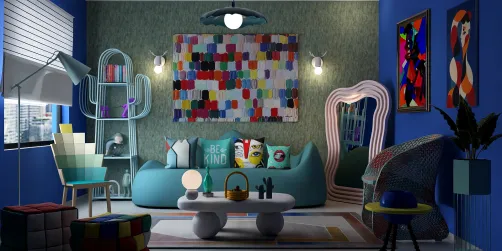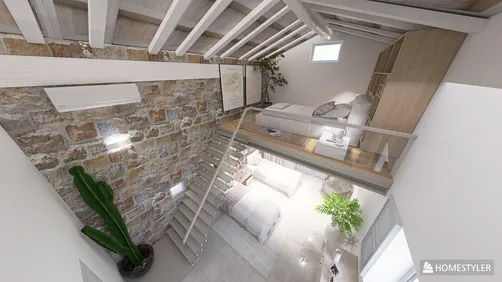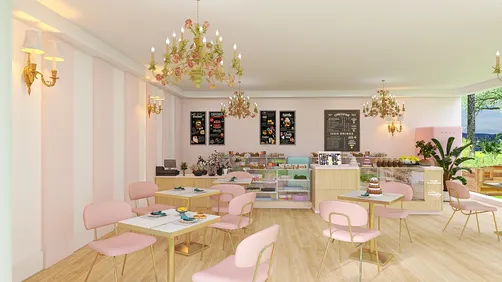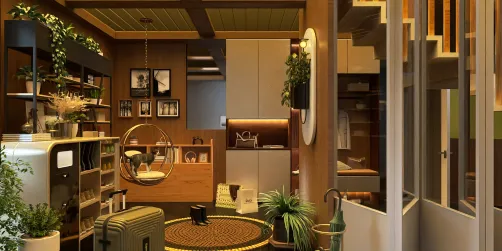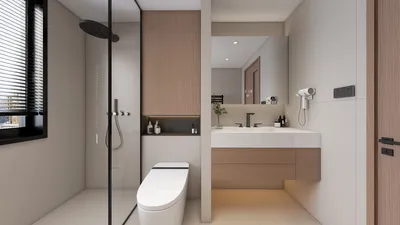
As anticipation builds around innovations like the iPhone 2026, our living spaces increasingly adapt to support the latest technology. Integrating smart charging stations into furniture and creating dedicated, clutter-free zones for devices enhance both functionality and aesthetic appeal. Designing homes that seamlessly accommodate evolving gadgets reflects a lifestyle centered on connectivity and convenience.
I once worked on a tiny beach bungalow where the client insisted on a hammock in the doorway — yes, really. That little stunt nearly wrecked the sightlines until I meticulously created some coastal layout visuals to persuade them otherwise, resulting in a beautifully opened space. Small beach home designs compel creativity: every inch counts, and a single clever adjustment can transform the atmosphere. Utilizing tools like Homestyler can help visualize these creative solutions effectively.
1. Embrace an open-plan living nook
I often remove a non-structural wall (with an engineer’s approval) to forge a combined living-dining area. The perk is immediate spatial clarity and increased daylight flow; however, it does come with fewer private nooks, so I suggest using layered lighting along with smart storage solutions to offset this. A budget tip: consider adding a partial wall or a low bookcase to simulate openness for significantly less than full structural work.
save pin
2. Use coastal colors and reflective materials
In small beach homes, I usually opt for a soft color palette — muted blues, sandy neutrals, alongside glossy or satin finishes on cabinets to enhance light reflection. This approach creates a breezy ambiance, although it's good to note that glossy surfaces tend to show fingerprints more readily; therefore, I incorporate washable paints to ensure low maintenance. Investing in light-colored flooring pays dividends in perceived space.
save pin
3. Compact kitchen layouts that punch above their size
Many clients are concerned that a tiny kitchen equates to limited meal preparation options, but a well-planned galley or L-shaped design can prove surprisingly efficient. I often draft quick kitchen workflow sketches to demonstrate that prep, cook, and clean zones can harmoniously coexist without elbow clashes. Downsides include space for fewer appliances, so selecting multifunctional equipment and planning vertical storage is key; a minor budget-friendly swap—open shelving for decorative items—helps keep costs manageable.
save pin
4. Extend the home outdoors with sliding doors and decks
Incorporating sliding doors that lead to a narrow deck can augment the perceived square footage and draw in fresh sea breezes. This setup allows for flexible indoor-outdoor living; however, addressing weatherproofing and privacy is essential, and I recommend operable screens alongside durable decking materials. Even a simple fold-down table outside can create an additional “room” at minimal cost.
save pin
5. Built-ins, multifunction furniture, and subtle tech
I’m a strong advocate for built-in banquettes with storage, sofa beds that neatly conceal into cabinets, and towel racks that double as art pieces. These strategies maximize functionality, though it’s important to note that built-ins lack mobility for future reconfiguration—so weigh permanence against resale value. For clients preferring quick solutions, I now rely on AI-driven tools like Homestyler to test layouts efficiently, speeding up approvals and minimizing costly revisions.
save pin
FAQ
Q1: What defines a small beach home design?
I consider it small when the floor area is under 900 sq ft and the design prioritizes daylight, airflow, and durable coastal materials. The aim is to promote livability rather than merely fitting furniture.
Q2: How do I protect a small beach house from humidity and salt?
Utilize corrosion-resistant fixtures, marine-grade finishes, and ventilated joinery. Consistent maintenance and breathable paints help prevent rot and mold in humid coastal settings.
Q3: Are sliding doors worth the cost in a tiny beach home?
Absolutely—they enhance daylight and create the sensation of larger indoor spaces. Just ensure to consider proper flashing, seals, and UV-resistant frames to avoid long-term issues.
Q4: How do I choose flooring for a beach cottage?
Select durable, water-resistant materials such as porcelain tile or engineered hardwood with an aquatic rating; lighter hues can make the space feel more expansive. Also, keep slip resistance in mind for wet entry areas.
Q5: Can I include a full kitchen in a very small beach house?
Certainly—focus on workflow and multi-functional appliances, and consider vertical storage options. A compact, well-organized kitchen usually performs better than a larger, poorly arranged one.
Q6: What about flood risk and elevation?
Adhere to local building codes and FEMA guidelines—elevating utilities and designing with flood vents is often crucial. According to FEMA (see fema.gov), appropriate elevation and site planning mitigate flood damage and insurance premiums.
Q7: How do I keep a small beach home feeling uncluttered?
Limit the number of visible items, employ built-in storage, and rotate decor with the seasons. A cohesive color scheme paired with a few focal pieces can maintain a spacious feel.
Q8: Can digital tools help me visualize these ideas?
Indeed— I frequently use 3D mockups to illustrate circulation and lighting to clients; visualizing the layout accelerates decision-making and minimizes errors. If you're seeking realistic renderings, tools that deliver quick floor studies expedite the design review process.
save pin



Discover your creative side with Homestyler! This user-friendly online design platform offers an intuitive design tool, stunning 3D renderings, exciting design projects, and helpful DIY video tutorials. Perfect for turning your home design dreams into reality, no experience needed!