


Cramped closets often face issues beyond just limited square footage; they typically suffer from underutilized vertical space, ineffective use of door backs, and oversized storage containers that disrupt organization. When managing shoe storage in confined spaces, I prioritize factors such as air circulation, visibility, and keeping the footprint minimal per pair, utilizing tools like Homestyler to visualize organization.
In compact homes, effective shoe storage does more than create order; it streamlines daily activities. According to Gensler’s Workplace Research, individuals can reclaim 10–15 minutes daily when everyday items are organized and easily accessible. This principle is especially relevant in entryways and closets designated for footwear. The WELL v2 standard emphasizes the importance of adequate ventilation and humidity control for materials that release gases or absorb moisture—footwear materials are included. Maintaining airflow and avoiding enclosed, damp storage helps extend the lifespan of shoes and minimizes odors.
Color significantly affects recognition speed. Insights from VerywellMind on color psychology suggest that high-contrast labeling against neutral backgrounds enhances visual search efficiency. For shoe storage, using a consistent neutral color paired with bold, legible labels minimizes decision fatigue during busy mornings. Personally, I prefer light-gray shelving with black text for clear identification, particularly helpful in dim entry spaces, and consider tools like Homestyler for optimal layout planning.
Evaluate Your Shoe Collection Before Organizing
Begin by categorizing your shoes into daily, weekly, seasonal, and special-occasion groups. Shoes worn daily should be readily accessible, while seasonal pairs can be stored higher or further back. Measure your largest items—such as boots and high-tops—to ensure that shelving accommodates their height. I generally aim for 12–14 inches of vertical space for tall boots and 6–8 inches for flats and sneakers. This preliminary assessment helps avoid the purchase of storage solutions that either crush shoe shafts or waste valuable space.
Maximize Vertical Space
Using slim shelves with adjustable pegs allows for customizable spacing appropriate for your collection. I usually stack shoes in 6–8 inch increments for sneakers, ensuring a taller section for boots. In apartments where floor space is limited, I extend shelves up to 84–90 inches and keep a small stepping stool within reach. For narrow entryways, a shallow wall unit (8–10 inches deep) can display shoes with toes facing out, thereby minimizing the footprint into the walkway.
Utilize Door Backs Effectively
Over-the-door shoe racks, mesh pockets, and narrow rails can transform neglected space into functional storage. I hang frequently worn sneakers and flats here to maintain a clear floor area. Opt for breathable mesh or open wire to prevent moisture accumulation. Remember to keep the weight within 15–20 pounds per door to avoid straining hinges.
Optimize the Floor Space While Keeping It Clear
An open bench with two levels can accommodate 6–8 pairs of shoes while creating a space for items like bags. Open wire designs prevent dust and enhance airflow, aligning with WELL v2’s ventilation standards for moisture-absorbing materials. If cubbies are your choice, adding perforations or mesh fronts increases ventilation.
Make Use of Under-Furniture Spaces
Under-bed rolling trays or rigid-sided soft bins serve as excellent storage for off-season footwear. I avoid tightly sealed plastic bins unless I include silica gel packs and leave vents slightly open; materials like leather and canvas need airflow. Clearly label the container edges by shoe type and size to facilitate easy access.
Maintain and Protect Tall Boots
Utilizing boot shapers and vertical clamps can help keep shafts upright, preventing unsightly creasing and saving space. I designate one tall section in my closet for boots and use cedar inserts to naturally manage humidity and odors.
Rotate Your Collection Seasonally and Set Limits
Establish a maximum number—such as 12 pairs—for your accessible zone while archiving the remainder. This strategy helps maintain visual clarity and minimize rummaging time. Implementing quarterly rotations encourages regular care: clean soles, brush uppers, and check for repairs before storage becomes necessary.
Label for Quick Recognition and Consistency
Uniform labeling—like men’s size 9 sneakers or women’s size 7 heels—assists every member of the household in maintaining the organization system. High-contrast labels paired with neutral shelving enhance the speed of visual searches, as supported by color psychology research.
Lighting is Crucial in Small Storage Areas
Dimly lit closets often lead to clutter. I recommend installing 3000–3500K LED strips under shelves to create a balance of warmth and clarity. Guidelines propose aiming for 300–500 lux at shelf level; motion-sensor lights facilitate effortless retrieval without generating heat. To reduce glare, embed strips and utilize diffused lenses.
Consider Ventilation and Odor Management
Shoes can retain moisture; improper storage can result in unpleasant odors and material deterioration. Ensure there are 1–2 inches of space between shelves for airflow. Utilizing cedar blocks or activated charcoal sachets can also help with smell. If boxes are necessary, choose perforated types or create small vents and keep lids slightly open.
Choose Slim Products That Offer Value
- Tiered shoe risers: allow double the capacity for flats without compromising the structure.
- Hanging baskets under shelves: perfect for slippers and foldable flats.
- Narrow pull-out towers: can fit in tight spots, such as between the washer and the wall or the fridge and cabinet.
- Stackable breathable boxes: recommended only if ventilation is properly addressed.
- Wall-mounted hooks: ideal for keeping heels while saving shelf space.
Plan Layouts for Small Entries
In compact foyers, navigate the traffic flow when arranging storage. Ensure shoe depth doesn’t exceed 10 inches on the main wall; position benches opposite door swings; and utilize corner areas for umbrellas. If you're experimenting with arrangements, consider a room layout tool to visualize clearances and traffic patterns before installation; tools like Homestyler can assist in this process.
material layout tool
Opt for Sustainable Materials
For durability and eco-friendliness, consider powder-coated steel or FSC-certified plywood. Steer clear of VOC-laden finishes in enclosed spaces. When selecting storage boxes, favor PET felt or recycled polypropylene mesh—these options are lighter, breathable, and kinder on leather.
Sound Control in the Entryway
Hard surfaces can amplify noise. Using felt-lined trays and rubber feet under racks can help soften impact and prevent slipping. This simple enhancement creates a more tranquil atmosphere.
Establish a Maintenance Routine
Weekly: ventilate athletic shoes and clean soles. Monthly: vacuum shelving, rotate deodorizing sachets, and inspect labels. Seasonally: perform a thorough clean and condition leather before archiving.
Expert Recommendations
For insights on organization applicable to home storage, refer to Gensler Research; for information about health and ventilation, the WELL v2 guidelines offer performance criteria.
Q1: How many pairs can a compact entry reasonably accommodate?
A1: In a small entry, realistically, 6–12 pairs can fit on a two-tier bench and an over-door rack without overcrowding. Beyond that, seasonal rotation is advisable.
Q2: Is it safe to stack shoes on top of one another?
A2: For flats and sneakers, utilize risers that support the sole while avoiding compression on the upper materials. Prevent damage to leather or suede, as deformation occurs over time.
Q3: What type of lighting is best for a closet?
A3: Aim for around 300–500 lux at shelf level with 3000–3500K LED strips or pucks. Diffusing light is essential to minimize glare while ensuring accurate color rendering for shoes.
Q4: How can I avoid odors in enclosed storage areas?
A4: Ensure proper airflow with open shelving or perforated bins, incorporate cedar or charcoal sachets, and allow athletic shoes to fully dry prior to storage.
Q5: How should I store tall boots in a compact closet?
A5: Designate a taller section (12–14 inches clearance), employ boot shapers, and arrange them heel-in to optimize depth. Cedar inserts can assist with humidity control.
Q6: Are clear plastic bins a good storage solution?
A6: Only if they offer ventilation. Create small vents and use desiccant packs; otherwise, moisture build-up leads to odor and material degradation.
Q7: What is the best method to utilize under-bed space?
A7: Use rolling trays or breathable soft bins. Clearly label the edges and store off-season shoes, ensuring sufficient airflow without heavy stacking.
Q8: How can I organize shoes for family members?
A8: Designate zones by size or type, implement high-contrast labeling, and position frequently used pairs at an easily accessible height (waist to knee level) for each family member.
Q9: Is color helpful for quickly finding shoes?
A9: Absolutely. Using neutral shelving with bold labels enhances search efficiency; reserve accent colors for category tags (e.g., red for sports shoes, blue for formal attire).
Q10: What’s the ideal depth for shelves?
A10: Shelves should measure 10–12 inches to comfortably fit most adult shoes. For heels stored toe-hooked, you can reduce the depth to 6–8 inches.
Q11: How frequently should I rotate seasonal footwear?
A11: A quarterly rotation works effectively. Clean, condition, and re-label items as you archive them to keep your system intuitive.
Q12: Are door racks suitable for heavy items?
A12: Limit usage to 15–20 pounds to protect the hinges. Place lighter items (like flats or sandals) on the upper shelves and heavier footwear below.
Built on technology originally developed at Autodesk, Homestyler empowers anyone to design beautiful, realistic spaces in minutes. Join over 20+ million registered users (platform data, 2026) who have already discovered a smarter way to plan, visualize, and bring their dream homes to life — all from the comfort of a browser.

Modern Minimalist Solid Wood Multi functional Entryway Cabinet Wardrobe 3D Model

Minimalist Solid Wood Curved Display Bookshelf 3D Model
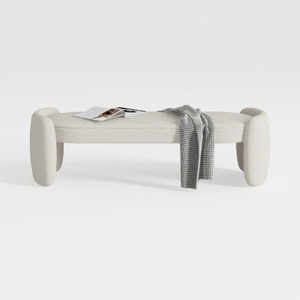
Minimalist Boucle Fabric Upholstered Bedroom Bench 3D Model
Looking to transform your space? Homestyler offers an easy-to-use online design tool and stunning 3D rendering features that make home design a breeze. With a wealth of design projects and DIY video tutorials at your fingertips, you'll inspire creativity and realize your dream home effortlessly.
Diseño ahora GRATIS













![[For my dearest Sabrinik 🧡]](https://hs-designs.homestyler.com/production/design/images/3f463715-5ed6-4c49-9346-16d464510aa6/1714085722568.jpg?x-oss-process=image/resize,w_502,m_mfit/format,webp)