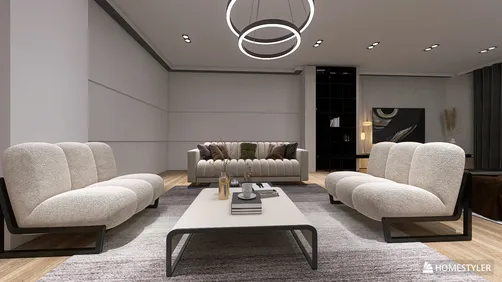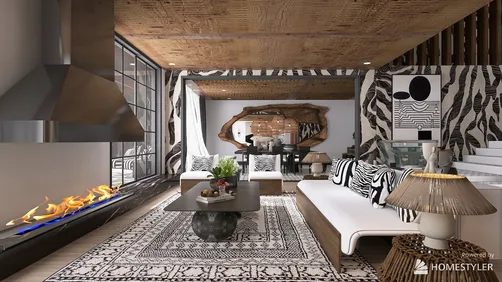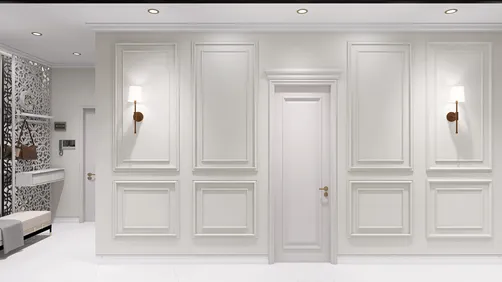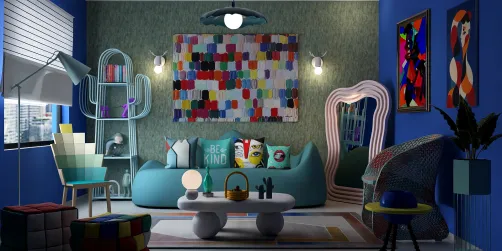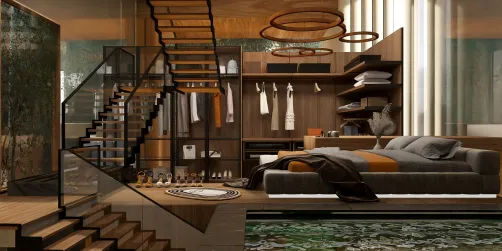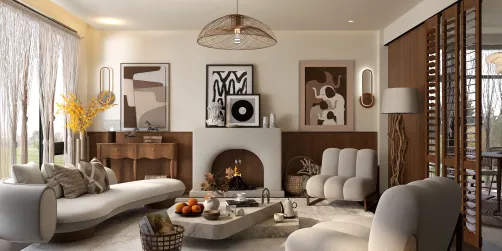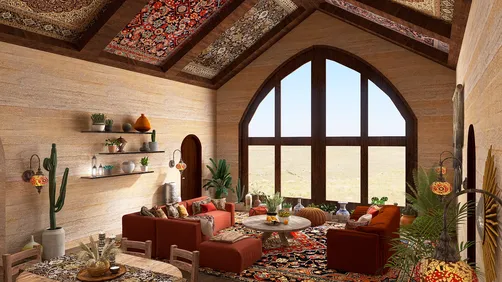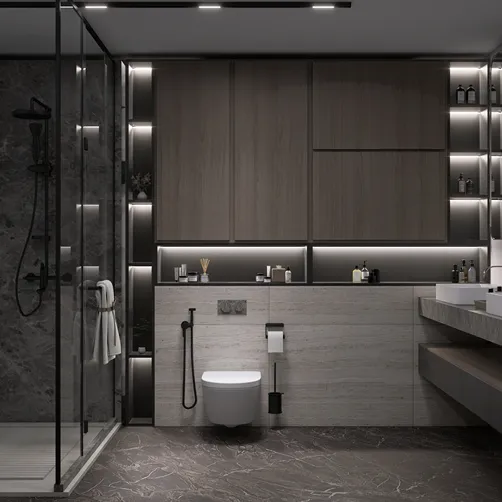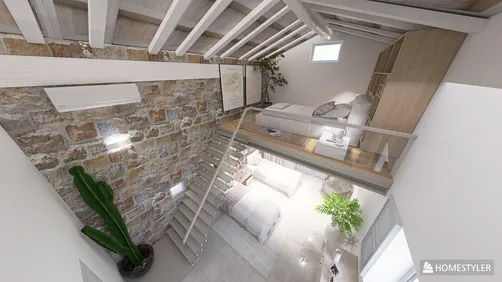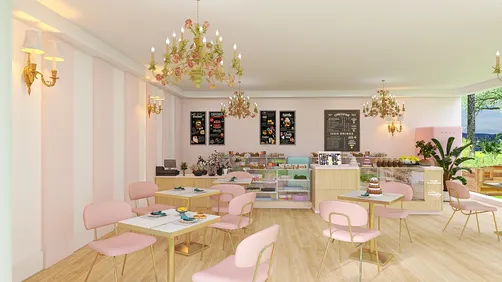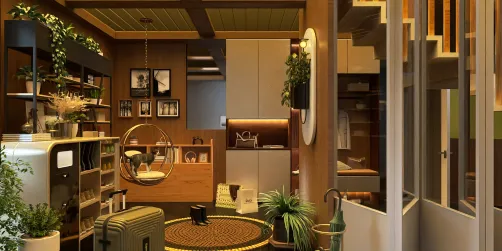
In the realm of interior design in India, lighting emerges as a crucial element that significantly impacts both the ambiance and usability of any given area. Given the country's rich tapestry of cultures and vivid aesthetic traditions, mastering the art of light utilization can elevate your design endeavors. Whether you are crafting a snug apartment in Mumbai or a lavish villa in Delhi, here are some key insights to consider when incorporating light into your designs. Primarily, it's essential to acknowledge the natural light each room encounters. Depending on your windows and doors' orientation, certain areas might bask in abundant sunlight, whereas others could remain slightly shaded. It's wise to evaluate the natural illumination at various times throughout the day and tailor your design plans accordingly. Using sheer curtains, for instance, allows sunlight to pour in while preserving your privacy, while heavy drapes can establish a warm, intimate environment come evening. Next, exploring the various types of artificial lighting is vital. Within Indian interiors, a blend of ambient, task, and accent lighting is often employed to achieve comprehensive illumination. Ambient lighting provides the base layer of light, whereas task lighting is designed for specific areas where activities such as reading or cooking occur. Accent lighting, on the other hand, showcases artwork or architectural details, lending a decorative flair to your space. The selection of light fixtures also plays a pivotal role in dictating the visual appeal of your environment. Traditional Indian aesthetics frequently feature elaborate chandeliers, pendant lamps, or wall sconces that infuse cultural charm. In contrast, contemporary designs might lean towards minimalistic and sleek fixtures that blend seamlessly into a modern aesthetic. When choosing light fixtures, consider energy-saving options like LED bulbs, which conserve electricity while offering a spectrum of color temperatures to evoke different atmospheres. Another critical consideration is the color palette of your walls and furnishings. Lighter hues reflect light effectively, creating a sense of brightness and openness, while darker tones absorb light, fostering a cozier feel. Play with various shades to observe their interactions with both natural and artificial lighting. Placement of your light sources is equally crucial. Strategically positioned fixtures can dramatically transform the perception of space. For example, varying lighting heights adds depth and interest, while careful positioning of lamps and sconces delineates specific zones within an open-plan layout. Lastly, appreciating the cultural significance of light in Indian households can inform your design choices. In many Indian cultures, light embodies prosperity and positivity. Incorporating features such as diyas (traditional oil lamps) or decorative lanterns not only enhances visual appeal but also honors cultural values. In summary, skillfully integrating lighting into your Indian design projects requires a harmonious blend of innovation, practicality, and cultural insight. By carefully considering both natural and artificial light sources, opting for the right fixtures, and grasping the psychological effects of color, you can curate inviting and balanced spaces that celebrate India's rich design heritage. Whether you are a seasoned interior designer or a passionate DIY enthusiast, these illuminating tips will assist you in achieving beautifully lit spaces, especially with tools like Homestyler to visualize your designs!
Tips 1:
Explore various light sources and their placements to find the most effective lighting solutions for your space.
FAQ
welcome to Homestyler




Homestyler is your go-to online platform for home design! With its easy-to-use design tool, stunning 3D renderings, and an abundance of inspiring design projects and DIY video tutorials, you can transform your decorating vision into reality effortlessly. Start creating your dream space today!