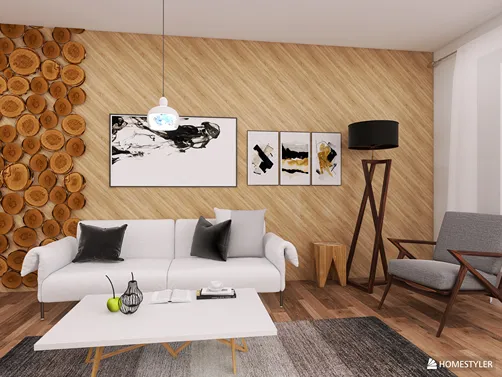
Key Insights
London’s Interior Design Market: Breaking Stereotypes
When people think of London's interior decorating market, they typically envision opulent projects and social media stardom, with a constant influx of design-hungry clients. However, the reality is different: many jobs require a blend of creative ingenuity with stringent budgeting, logistical coordination, and a growing reliance on advanced digital platforms that simplify design processes. This evolution is redefining what success means for decorators—those adept at understanding client needs and harnessing contemporary technology, like Homestyler, are advancing far more rapidly than those who depend solely on visual appeal. Unfortunately, mainstream discussions fall short, often fixating on job postings and salary averages, ignoring that decorators in London are transforming into strategic thinkers rather than mere aesthetic designers.
Essential Skills for London’s Interior Decorators Today
While mastering color coordination and spatial layout remains crucial, today's decorators in London gain more ground with skills in project management, digital visualization, and cultural client engagement. For instance, showcasing a design concept using interactive visuals (through tools like Homestyler) typically leads to more job opportunities than traditional paper-based portfolios could ever achieve. Taking ownership of one's process and adapting to changes are now fundamental requirements in the field.
Are Credentials Essential for Interior Decorators?
Unlike conventional architects, interior decorators in London often launch into their careers with or without formal qualifications. Research from Houzz reveals that over 55% of active decorators come from varied educational paths and prefer digital portfolios to traditional diplomas (Houzz UK). While credentials can enhance customer confidence, especially for high-end or commercial projects, they aren't a strict necessity.
What Can You Earn as an Interior Decorator in London?
Salary data from platforms like Indeed suggests earnings between £25,000–£45,000 for entry to mid-level decorators; however, my experience indicates that those who specialize in niche markets—such as eco-friendly design, tech integration, or upscale rentals—may earn over £60,000 annually. The challenge is that freelance decorators often face unpredictable client loads, making careful budgeting even more vital. While larger agencies provide steady income, they may limit professional growth opportunities.
Where Are the Exciting Job Opportunities Apart from Studios?
A lesser-known truth in the industry is that London's most thrilling interior design jobs are increasingly linked to property developers, event planning firms, and even virtual reality startups that require innovative space concepts. These positions often call for collaboration on projects that extend beyond traditional design. Proficiency in digital tools—like kitchen or bathroom planning software—is key in an environment where lifestyle technology intersects with design.
Learn more about how innovative planning methods can enhance your workflow and attract clients from unexpected markets.
How Can New Decorators Shine in London’s Competitive Landscape?
While establishing a unique design style is important, garnering attention often comes from documenting transformative processes—consider using before-and-after case studies, or mapping client journeys rather than just showcasing completed rooms. Sharing these narratives in online profiles and pitching them to design-focused podcasts or local blogs can elevate one's visibility. This storytelling approach, combined with clear pricing and efficient practices, is what is currently leading decorators to the forefront of client preferences.
What Challenges and Costs Should You Anticipate?
Unlike certain creative professions, most decorators in London face extensive site visits, unpredictable schedules, and constant reassessment as project requirements shift. It's crucial not to overlook insurance needs or the ongoing expenses of maintaining an updated portfolio website. I recommend budgeting an additional 10% for non-billable administrative tasks and networking efforts, as it often results in referrals and long-term stability.
How Does Technology Influence Modern Interior Decorating?
London is quickly becoming a hub for tech-savvy decorators who utilize 3D design tools and virtual staging to minimize client revisions. Embracing these technologies not only saves time but also enables emerging decorators to compete effectively in high-stakes pitches. For instance, demonstrating a property's layout with interactive features allows potential buyers or renters to envisage the space's possibilities instantly.
For practical guidance, investigate how to incorporate 3D software into your next project proposal and witness how it can shorten decision-making times.
Is London’s Market for Interior Decorators Saturated or Full of Opportunities?
The common perception is of intense competition, yet recent data from IBISWorld indicates that demand for renovation and design assistance is increasing due to hybrid work trends and a rise in residential upgrades (IBISWorld UK Data). A major opportunity lies in serving mid-budget homeowners and small to medium enterprises—those who seek expert guidance yet are often neglected by larger design firms.
Summary of Insights
Decorators in London find success by embracing technology, understanding client psychology, and weaving compelling narratives. Achieving success isn't reliant on formal certifications or the size of a studio; the real game-changers are mastering relevant tools, establishing efficient processes, and exploring unconventional project avenues. Ignoring the significance of personal branding and workflow optimization poses the greatest risk to a successful career.
Frequently Asked Questions
What are the necessary skills for a career as an interior decorator in London?
Key competencies include problem-solving, digital rendering, effective client communication, and adaptability in modern roles.
Is a special license required for interior decorating in London?
There is no legal requirement for a license, although acquiring insurance is advisable for site visits and client protection.
What is the typical salary for an interior decorator in London?
Average salaries range between £25,000 and £45,000, but those focusing on niche areas often earn more.
How can I secure entry-level positions as an interior decorator?
Engage in networking at design events, utilize local job recruitment sites, and establish an online portfolio showcasing your skills.
Is freelancing or working at an agency better in London?
While freelance opportunities allow for quicker growth and flexibility, agencies offer stability and formal training structures.
What types of employers hire decorators beyond traditional studios?
Design support is in demand from property developers, event companies, VR startups, and renovation businesses.
Does being skilled in design software matter for job opportunities?
Yes—proficiency in design software significantly enhances attractiveness to both employers and clients in today's tech-focused market.
What common errors should newcomers avoid?
Common pitfalls include underestimating administrative costs, lacking insurance, and neglecting online branding efforts.
References
save pin
Homestyler is your go-to online home design platform, perfect for transforming your creative ideas into reality. With its user-friendly design tool, stunning 3D renderings, diverse design projects, and helpful video tutorials, anyone can create their dream home effortlessly. Start designing today!