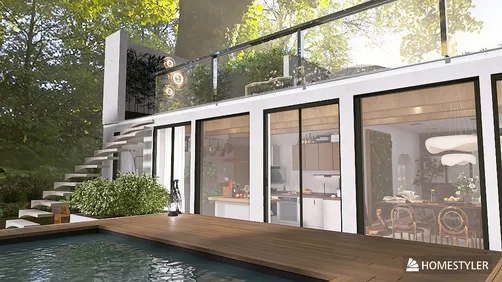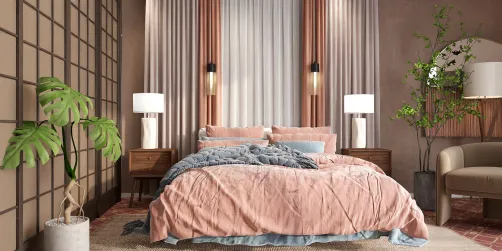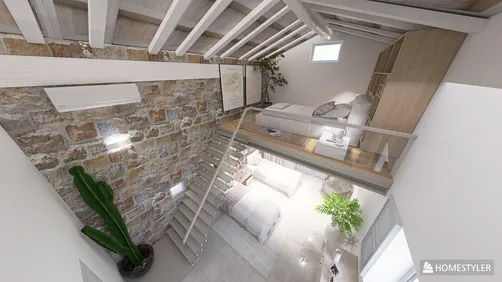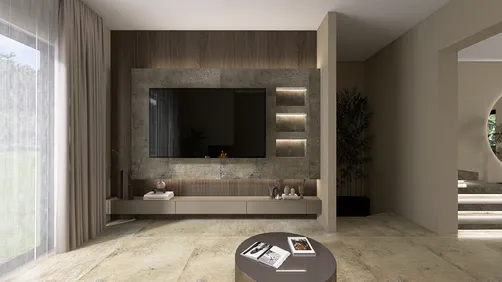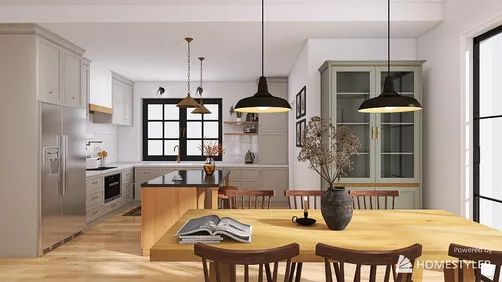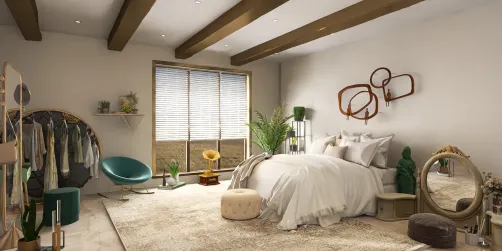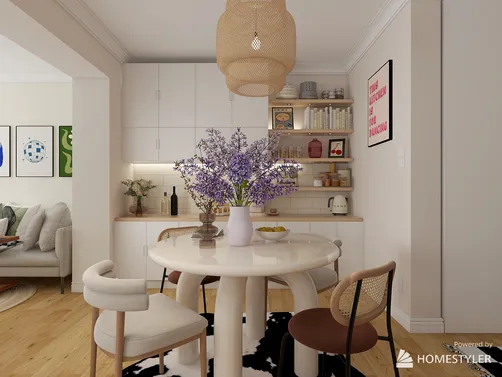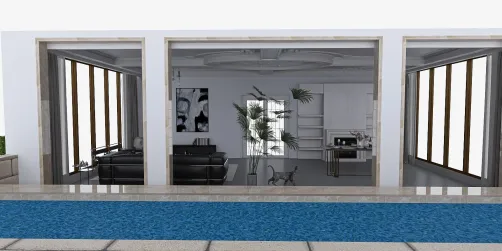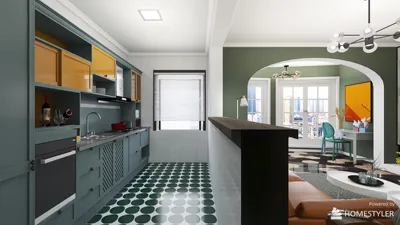
The architectural scene in Japan presents a captivating fusion of traditional values and contemporary styles. Gaining insight into building floor plan designs can significantly enhance your appreciation for these spaces. When we discuss the floor plans typical of Japanese architecture, we are often highlighting their ability to optimize limited spaces, incorporate elements of nature, and embody a distinct aesthetic that prioritizes simplicity and function, much like what you can explore through Homestyler.
An Overview of Japanese Architectural Design
Japanese buildings are renowned for their seamless integration with the surrounding environment, a principle that is evident in their floor plan designs. Here are some significant features:
Essential Features of Japanese Floor Plans
1. **Tatami Rooms:** Traditional homes in Japan frequently feature tatami rooms made from rice straw, representing a vital component of Japanese interior design.
2. **Engawa:** This wooden hallway serves as a bridge between the inside and outside, providing a space for relaxation while enjoying the natural surroundings.
3. **Adaptive Layouts:** Numerous residences incorporate movable walls, allowing for versatile areas that can be modified according to the occupants' requirements.
Contemporary Design Trends in Japan
Modern Japanese architecture is continually progressing, embracing cutting-edge designs and technologies while remaining true to traditional aesthetics. Below are some prevalent trends:
In Closing
Exploring Japan's architectural floor plans offers valuable insights into the intricate relationship between space, nature, and culture. Whether in traditional or modern forms, each design exemplifies a thoughtful approach to living that harmonizes beauty with practicality, concepts that can be easily visualized using tools like Homestyler.
Frequently Asked Questions
Q: What are the standard measurements for tatami rooms in Japan? A: Typically, tatami rooms are 1.8m x 0.9m (6ft x 3ft), and room sizes are often quantified by the number of tatami mats used.
Q: In what ways do modern Japanese houses incorporate sustainable practices? A: Contemporary homes frequently utilize eco-conscious materials, implement efficient insulation, and embrace renewable energy solutions to reduce their ecological footprint.
Discover how to use the No.1 Floor Planner effectively