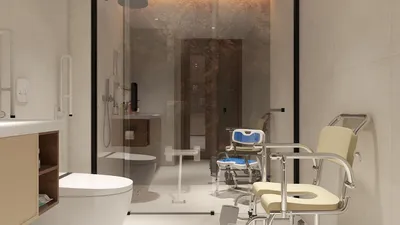


Once, a client enthusiastically showcased her interpretation of a “minimalist” bathroom, complete with five assorted storage racks and a vibrant neon pink bath mat. I appreciated her effort, but internally I realized there was still much to refine. Small spaces pose a unique challenge; every design choice can become a focal point, either enhancing or detracting from the overall aesthetic. My preferred approach for bathroom design is embracing the Japandi style, which encourages filtering out everything except what brings joy and functionality. In this article, I’m excited to share ten Japandi-inspired bathroom ideas, drawn from my experiences and projects.
1. Maintain a Tranquil Color Palette
Japandi design flourishes with a neutral, nature-based color scheme—soft beiges, warm whites, and gentle grays set the tone. For instance, I once transformed a bathroom with a subtle cream featuring a touch of yellow, resulting in a bright yet understated atmosphere. However, softer hues tend to reveal scuff marks more easily, making upkeep essential. In a recent project, I effectively used a digital room planner to map out wall and floor colors, ensuring harmonious undertones and avoiding clashes in the design.
2. Prioritize Natural Materials
Incorporating natural textures such as bamboo and stone is crucial for grounding Japandi interiors in tranquility. A simple wooden bath caddy can beautifully soften the polished appearance of porcelain fixtures. It's important to note that wooden elements in a bathroom require proper sealing and maintenance to avert any warping.
3. Opt for Open Shelving
In stark contrast to cluttered racks, open shelves displaying neatly arranged towels and ceramics provide a sense of visual openness. Even a bit of imperfection in the arrangement adds to the Japandi philosophy of ‘wabi-sabi’. The secret lies in displaying only items that you enjoy seeing daily.
4. Introduce Subtle Black Accents
Incorporating black elements, like a sleek faucet or a framed mirror, introduces a striking contrast against the lighter woods. For one of my projects, simply swapping to matte black hardware elevated the entire design, lending a purposeful, contemporary feel to the space.
5. Use Greenery Judiciously
Integrating plants beautifully combines Japanese appreciation for nature with Scandinavian comfort. I often select ferns or small potted eucalyptus for my designs, and even in bathrooms without windows, low-light plants can thrive—though they require a regular care schedule. I frequently use a free floor plan creator to strategize optimal plant placements before settling on final decisions.
6. Emphasize Soft Lighting
Steer clear of harsh white LEDs; instead, warm, adjustable lights create a soothing, spa-like atmosphere. Wall sconces offer a beautiful alternative to traditional overhead lighting, but be mindful to plan the wiring ahead of time.
7. Consider Floating Vanities
Floating vanities enhance the sense of space and simplify cleaning. My go-to choice for a Japandi bathroom is a sleek, clean-lined oak vanity. However, ensure that you have sturdy wall support before getting too attached to your favorite vanity design.
8. Integrate Subtle Patterns
While the Japandi style is fundamentally minimalist, introducing a slight pattern—such as herringbone on floor tiles—can add depth without creating chaos. The key is to maintain a cohesive color tone so that the pattern complements rather than competes.
9. Declutter Using Built-in Features
Incorporating recessed shelves within the shower wall is both a stylish and practical solution. They keep shampoo bottles from disrupting the clean lines of the design and can be beautifully tiled for a seamless finish. I once employed a bathroom design software to visualize shelf heights, ensuring that my client's tallest product would fit perfectly.
10. Pay Attention to Details
Elements like linen towels and ceramic soap dispensers contribute significantly to the overall aesthetic. These small changes represent an affordable means to revitalize a bathroom since minor adjustments can yield substantial effects and can be updated seasonally.
FAQ
Q: Can the Japandi aesthetic be implemented in very small bathrooms?
Absolutely! In fact, the Japandi style is particularly well-suited for compact bathrooms due to its focus on purposeful minimalism and maximizing visual space.
Q: What steps should I take to protect wooden elements in a bathroom environment?
Always ensure wood is properly sealed and utilize water-resistant finishes. Regular upkeep is essential for ensuring durability and longevity in such a humid space.
Homestyler is your go-to online home design platform! With its user-friendly design tool, stunning 3D renderings, and a wealth of design projects and DIY video tutorials, transforming your space has never been easier. Unleash your creativity and start designing today!
Diseño ahora GRATIS
































