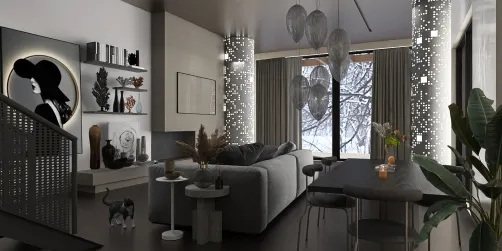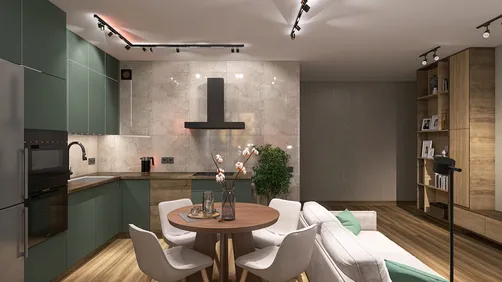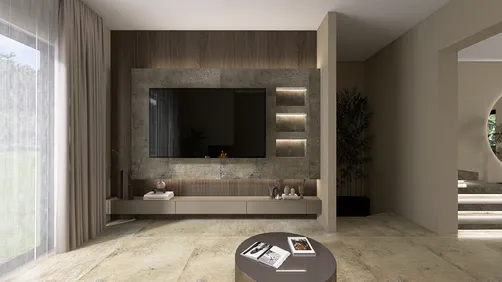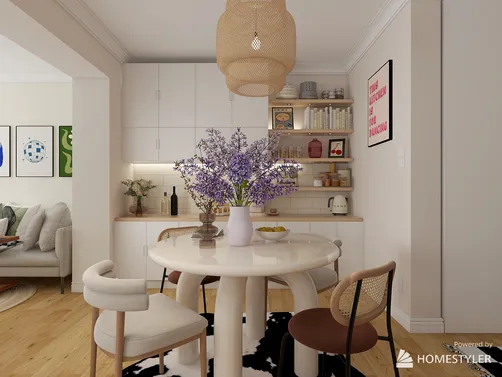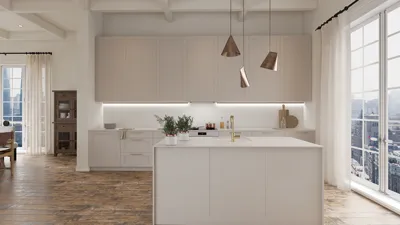
Recently, teal and turquoise have emerged as dominant colors in living room design trends. Drawing from my extensive experience in redesigning compact spaces, I've discovered that small rooms often inspire the most innovative ideas. This article presents 10 teal and turquoise living room concepts that blend personal anecdotes with expert design strategies, including the use of tools like Homestyler for visualizing layouts.
1. Minimalist Teal Accent Wall
My Experience: I once gave a narrow studio a makeover by painting one wall a deep teal shade; this choice instantly curated the space without overwhelming it.
Advantages: A teal accent wall serves as a striking focal point and complements neutral decor beautifully. As noted by Architectural Digest, darker shades on a single wall can enhance a sense of depth in smaller areas.
Drawbacks: In poorly lit rooms, teal can appear heavy. I had to introduce additional lighting to keep the area from seeming dim.
2. Turquoise Velvet Sofa
My Experience: A client once picked a turquoise velvet loveseat, which quickly became the centerpiece of her living room style.
Advantages: The soft texture of velvet beautifully reflects light, enhancing the turquoise's opulence. It pairs exceptionally well with gold or brass decor.
Drawbacks: Velvet can be challenging to maintain, particularly for pet owners — a lint roller turned into an essential tool!
Tip: Consider layering teal cushions for a cohesive tone-on-tone effect and arrange furniture to maximize natural light, which is easily modeled using Homestyler for effective planning.
3. Teal & White Coastal Aesthetic
My Experience: To create a beach-inspired ambiance, I combined turquoise blankets with teal and white striped cushions in a client’s apartment.
Advantages: This combination brings freshness and a vacation vibe to interiors, especially in well-lit spaces.
Drawbacks: The coastal look may feel temporary; I typically switch to richer textural elements like knitted throws in winter.
4. Layered Teal Textiles
My Experience: I enjoy stacking various rugs, blankets, and cushions in different shades of teal, adding depth without relying on bulky furniture.
Advantages: It fosters a cozy atmosphere while maintaining flexibility for seasonal changes.
Drawbacks: Using too many teal variations without neutral shades can lead to a chaotic visual impact.
5. Turquoise Art Installations
My Experience: An eye-catching turquoise abstract artwork once stole the spotlight in a client's open-concept living area.
Advantages: Art is easily interchangeable and can unify color schemes throughout a space.
Drawbacks: Large art pieces require ample wall space; cramped areas might feel overwhelming.
6. Jewel-Toned Combinations
My Experience: I’ve paired teal with emerald and sapphire cushions for a striking jewel-toned palette in living rooms.
Advantages: This mix offers vibrancy while maintaining sophistication, particularly when combined with warm metallic accents. Designers note that jewel tones add a timeless quality to interiors.
Drawbacks: A lack of sufficient lighting might make the room appear smaller due to the intensity of the hues.
Example: Introduce a deep teal ottoman paired with amethyst vases, arranged to maximize space efficiency using Homestyler.
7. Teal Painted Built-ins
My Experience: Painting built-in shelves teal turned a mundane living area into a uniquely designed space.
Advantages: This design choice adds instant architectural flair, making books and decor items stand out.
Drawbacks: Built-ins are a more permanent choice; repainting can be an involved process.
8. Mixed Metallic Highlights
My Experience: Pairing brass lamps and silver frames with teal walls creates a dynamic, layered effect.
Advantages: Metallic finishes reflect light, enhancing the vibrancy of teal, particularly in the evening.
Drawbacks: Overmixing metals can result in a mismatched appearance; careful balancing of finishes is essential.
9. Teal Statement Rug
My Experience: In compact spaces, I often use a bold teal rug to anchor the seating arrangement.
Advantages: Rugs define spaces without the need for physical barriers, ideal for open-plan layouts or studio apartments.
Drawbacks: Light-colored rugs can readily show dirt; I usually recommend opting for low-pile options for easier maintenance.
For added impact, select a rug pattern that incorporates tones like beige or grey, similar to how we employed subtle AI-generated color harmonies in a lounge redesign.
10. Teal & Natural Wood Contrast
My Experience: I particularly appreciate how warm oak tones can soften the boldness of teal walls or furniture.
Advantages: Natural wood infuses warmth and balances out vibrant colors, a combination often recommended in Scandinavian-style decor.
Drawbacks: Excessive wood elements paired with teal might create a rustic appearance rather than a modern ambiance; moderation is crucial.
Conclusion
From my perspective, designing a teal or turquoise living room is about making thoughtful, intentional decisions rather than restrictions. As highlighted in Pantone’s trend reports, these colors can evoke serenity and creativity when used effectively. Which of these inspiring ideas are you eager to try in your living area, perhaps with the assistance of Homestyler for visualization?
FAQ
Q1: What colors work well with teal in a living room?
A: Warm neutrals like beige and taupe, along with rich jewel tones such as emerald and sapphire, result in beautiful combinations.
Q2: Is teal suitable for small living rooms?
A: Certainly, especially as an accent wall or through accessories; it can add depth without overwhelming the area.
Q3: How should I style a turquoise sofa?
A: Complement it with cushions in neutral shades or patterned fabrics. According to Elle Decor, it’s important to balance striking furniture with softer surrounding elements.
Q4: How can I prevent teal walls from appearing too dark?
A: Incorporate layered lighting solutions — such as floor lamps, wall sconces, and maximizing natural light — to maintain vibrancy.
Q5: What kind of flooring complements teal and turquoise?
A: Light wood or neutral-toned rugs effectively offset the richness of these colors, promoting balance.
Q6: Can teal be paired with metallics?
A: Absolutely; both gold and silver complement teal beautifully, but ensure to maintain a consistent tone throughout.
Q7: Are teal and turquoise currently in vogue?
A: Yes, they have been trending for years, with Pantone featuring them in seasonal palette selections.
Q8: How can I subtly incorporate teal into my decor?
A: Add small accents such as teal cushions, artwork, or a striking lamp to introduce the color without committing to it fully.
Homestyler is your go-to online platform for all things home design! With its user-friendly design tool, stunning 3D renderings, and a wealth of design projects and DIY video tutorials, you can effortlessly create your dream space. Transform your ideas into reality today!