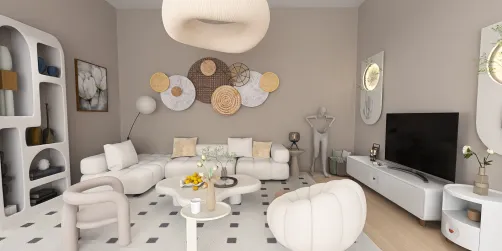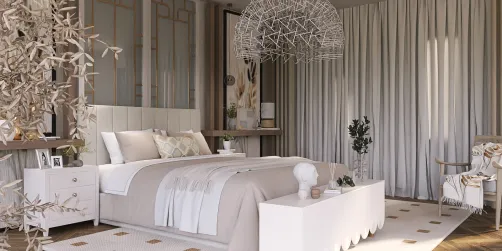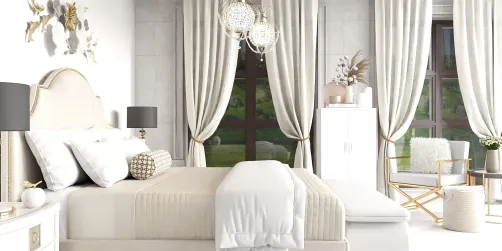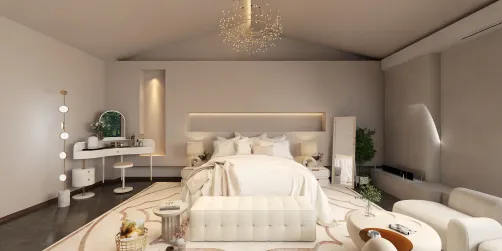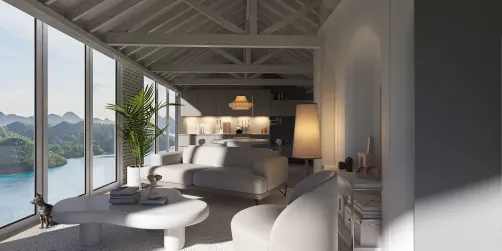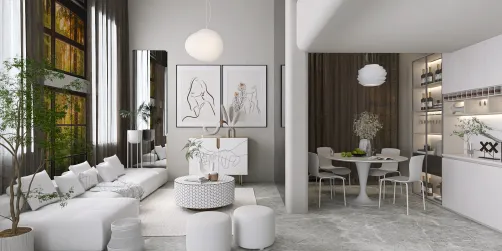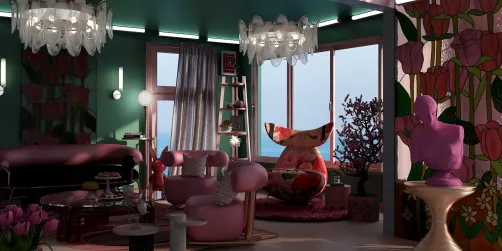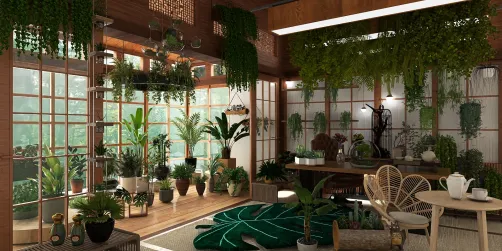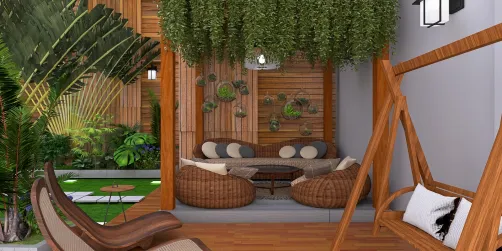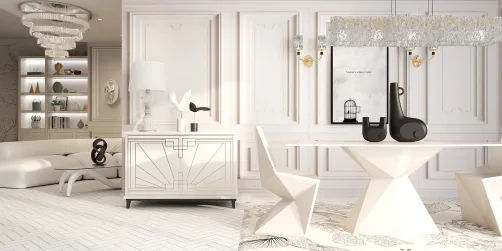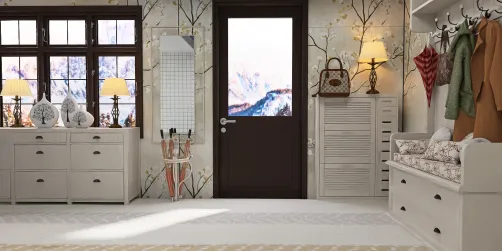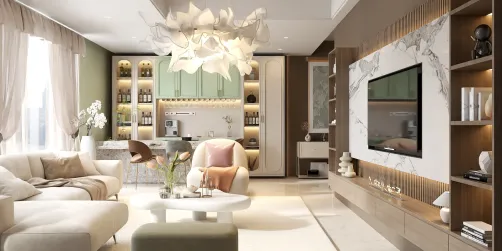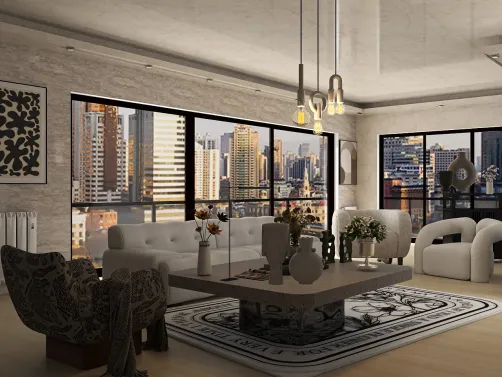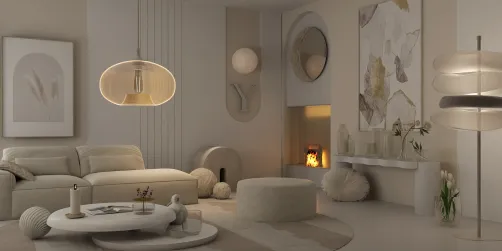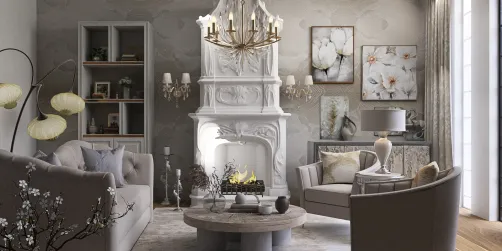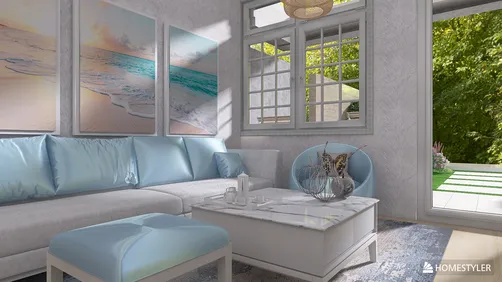
In recent years, my journey as an interior designer has revealed a resurgence of rustic country style, characterized by warm textures, natural materials, and a nostalgic ambiance that personalizes living spaces. I firmly believe that small areas can foster boundless creativity, making them ideal for adopting country style. In this piece, I will present 10 inspiring ideas for rustic country living rooms, blending my experiences with industry expertise.
1. Authentic Charm of Exposed Wooden Beams
My Insight: During a renovation of a countryside cottage, we sanded and preserved the original oak beams, which, even in a compact lounge, dramatically reinforced the space's heritage.
Benefits: This feature enhances architectural interest and imparts a true rustic atmosphere; it complements neutral color schemes and natural textures. Research from Houzz Design Trends 2023 indicates that visible wooden elements can enhance perceived warmth by almost 30%.
Drawbacks: Restoration of the beams may strain budgets, and cleaning overhead beams can become an occasional task.
Suggestion: If your home lacks beams, consider adding reclaimed wood planks to the ceiling for a comparable aesthetic.
2. Stone Fireplace as a Captivating Centerpiece
My Insight: One memorable transformation involved swapping an outdated plaster surround for rugged, large stone. This instantly became a gathering spot for incoming guests.
Benefits: A stone fireplace establishes a cozy focal point in rustic country living rooms, particularly advantageous in cooler regions where additional heating is beneficial.
Drawbacks: Authentic stone is quite heavy and necessitates adequate structural support. Although faux stone may appear convincing, it doesn’t replicate the texture of real stone.
Well-designed rustic stone fireplace arrangements can aid in space planning before you commit to heavy materials.
3. Textured Layers and Pattern Mixing
My Insight: In small living rooms, I enjoy combining plaid throws, knitted cushions, and soft jute rugs to create a warm, inviting atmosphere through varied textures.
Benefits: This method offers an economical way to refresh your decor seasonally and promotes a welcoming ambiance.
Drawbacks: Overusing patterns can result in a visually overwhelming space.
Advice: Maintain a cohesive color scheme to ensure that the array of patterns feels purposeful.
4. Vintage Furnishings and Unique Finds
My Insight: I've successfully paired a weathered farmhouse table with a contemporary sofa, achieving a grounded feel while avoiding a disjointed decor style.
Benefits: This approach favors sustainability, as unique pieces share stories and generate engaging conversation starters.
Drawbacks: Genuine vintage finds may require repairs, and their sizes might not correspond to modern standards.
5. Open Shelving Showcasing Decor
My Insight: I prefer open shelving to showcase ceramic pitchers, family photographs, and books, transforming functional storage into decorative art.
Benefits: This encourages curated displays while providing easy access to everyday items.
Drawbacks: Open shelves require frequent dusting, and too many items can lead to visual clutter.
Country-style shelves that optimize both display and storage can effectively balance aesthetics and practicality in small living areas.
6. Warm and Inviting Lighting
My Insight: Lighting can dramatically alter a room's atmosphere. I often incorporate an eclectic mix of table lamps with linen shades and wrought-iron sconces.
Benefits: Warm-toned lighting enhances rustic textures, while layered lighting accommodates various moods.
Drawbacks: More fixtures could lead to additional cords to manage in compact spaces.
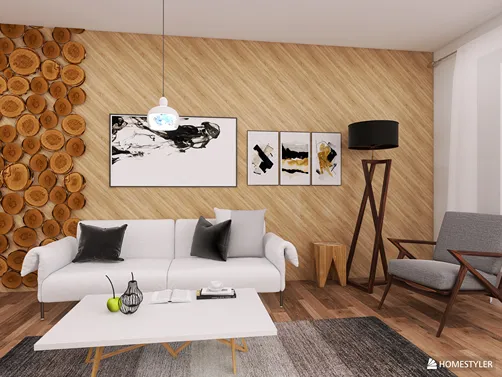
7. Wood Paneling or Shiplap Accents
My Insight: In a coastal-inspired country abode, white shiplap brightened a dim area while retaining a rustic charm.
Benefits: It adds texture and interest without overwhelming a compact room; it's adaptable for both painted and stained finishes.
Drawbacks: Dust can accumulate in grooves, and poorly mounted boards may warp over time.
8. Generously Sized Cozy Sofas
My Insight: Even modest living rooms can accommodate oversized sofas if you opt for designs with slimmer arms, creating an ideal nook for reading on rainy days.
Benefits: They promote relaxation and social interaction, anchoring the visual composition of the space.
Drawbacks: This can limit room for other furnishings and may pose challenges for narrow entrances.
9. Antique-Inspired Area Rugs
My Insight: I adore hand-knotted rugs adorned with traditional patterns, as they instantly enrich a modern home with a touch of heritage.
Benefits: They delineate seating areas and enhance acoustic comfort, particularly over wooden floors.
Drawbacks: Genuine antiques can carry high price tags, and some vintage dyes may fade when exposed to sunlight.
Pattern inspirations for rugs that blend traditional charm with contemporary requirements can aid in selecting the ideal size and color scheme.
10. Incorporating Greenery and Dried Florals
My Insight: Whether opting for a sizable potted olive tree or dried lavender in an artisan ceramic jug, plants instill life into rustic country living rooms.
Benefits: They provide color, softness, and seasonal diversity, while live plants can enhance air quality.
Drawbacks: Living plants necessitate light and maintenance, while dried flowers might collect dust if not updated regularly.
Summary
Having a smaller rustic country living room doesn’t require a compromise on style; it instead calls for smarter, more deliberate design choices. As noted by Architectural Digest, authenticity and personal touches are always more important than size. Which of these ideas are you eager to explore in your own space?
FAQ
1. What characterizes a rustic country living room?
A rustic country living room showcases natural materials, warm hues, and decor that exudes a lived-in, personalized feel. Think wood, stone, textiles, and vintage treasures.
2. How can I achieve a rustic feel in a small living room without creating clutter?
Opt for a consistent color scheme, layer textures instead of relying on heavy patterns, and select functional pieces that combine charm with storage.
3. Are rustic and farmhouse designs synonymous?
While they share similarities, rustic country leans toward raw, natural finishes, whereas farmhouse style often features lighter colors and more ornamental aspects.
4. What is the most economical rustic update I can make?
Soft furnishings like throws and pillows made from natural fabrics offer both affordability and impactful change.
5. Is it possible to incorporate rustic decor in a modern city apartment?
Absolutely—by blending rustic accents with sleek furniture, you can create a modern-rustic mix that feels inviting and authentic.
6. What are the best lighting options for rustic environments?
Layering warm lighting through table lamps, sconces, and even candlelight captures the essence of traditional rural coziness.
7. Does adding shiplap enhance my home's value?
According to a 2022 report by Remodeling Magazine, quality wood wall treatments can increase resale value in suitable markets.
8. Where can I locate layouts to help design a rustic country living room?
You can discover detailed living room layouts with Homestyler, allowing you to visualize proportions effectively before selecting furniture.
Homestyler is an outstanding online home design platform that makes interior design accessible to everyone. With its user-friendly design tool, stunning 3D renderings, inspiring design projects, and helpful video tutorials, you can effortlessly create your dream space—whether you're a beginner or a seasoned designer!