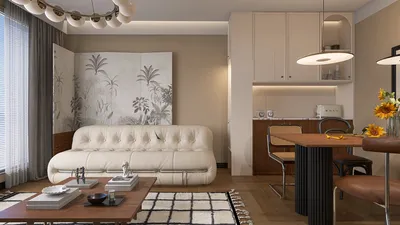


With over a decade of experience in interior design, I have discovered that creativity often flourishes in small spaces. Recently, brown and grey living rooms have garnered attention, and it's easy to see why—these hues deliver warmth, elegance, and flexibility. In this article, I will offer 10 brown and grey living room concepts inspired by my own work, complemented by expert advice. Whether you're planning to redesign a compact city apartment or a cozy suburban nook, these strategies will help you optimize your space and illustrate that size should not limit your creativity. I will also recount an instance where I transformed a constricted loft into a stylish retreat using minimalist brown storage as a core element, endorsing the use of tools like Homestyler to visualize your designs.
1. Warm Grey Walls Highlighted with Chocolate Accents
My Insight: I renovated a studio apartment with gentle grey walls and rich brown cushions, which made the area feel instantly more serene and inviting.
Benefits: Warm grey serves as an eye-friendly neutral backdrop, while chocolate highlights infuse depth and refinement. The American Society of Interior Designers suggests that blending neutral shades fosters a sense of balance and comfort.
Drawbacks: An excess of grey without texture might feel uninviting; introducing materials like linen or wool can help maintain warmth and coziness.
2. Light Wood Floors Complemented by a Taupe Rug
My Insight: I appreciate pairing oak flooring with a taupe rug because it instantly enlivens smaller living spaces and harmoniously ties together the brown and grey motifs.
Benefits: Natural wood contributes warmth, and a taupe rug softens the overall appearance, facilitating easy integration of accent colors. A relevant long-tail keyword here is “brown and grey living room floor ideas.”
Drawbacks: Lighter floors tend to show dust quickly—an important lesson from my personal experience.
3. Dual-Tone L-Shaped Sofa
My Insight: During one cozy loft project, a two-tone L-shaped sofa (with a brown leather base and grey fabric seating) became the focal point, efficiently providing seating without overcrowding.
Benefits: Ideal for compact living areas, it conserves floor space while allowing for an exploration of contrasting textures. Research from Houzz indicates that multi-material furniture is trending in small-space designs.
Drawbacks: Custom two-tone furniture can be more expensive than traditional options.
Pro Tip: Opt for an open coffee table design to ensure a seamless flow within the room.
4. Textured Panels for a Statement Wall
My Insight: Recently, I incorporated textured brown wall panels behind a grey media unit, which dramatically enhanced the character of the space.
Benefits: This approach creates a striking focal point without overwhelming the area. A useful long-tail search term is “brown feature wall in grey living room.”
Drawbacks: Installing panels can be more labor-intensive compared to painting.
5. Glass Coffee Table for a Lighter Ambiance
My Insight: In darker brown and grey settings, a glass coffee table can visually expand the space. A client’s living room felt significantly larger thanks to this simple change.
Benefits: Glass reflects light and maintains clear sightlines, making it perfect for smaller layouts. This enhances flow, aligning with IKEA’s recommendations for small-space living in 2023.
Drawbacks: They require frequent maintenance, as fingerprints and dust can quickly accumulate on the surface.
In one project, combining a glass tabletop with a light-toned storage wall helped to maintain an airy feel while also retaining warmth.
6. Layered Throws and Cushions
My Insight: During winter, my go-to aesthetic involves layering chunky knit throws in greys with sleek leather cushions in dark brown.
Benefits: This adds texture, flexibility, and seasonal versatility. It’s particularly effective in rental spaces where permanent modifications are limited.
Drawbacks: Over-layering can create a cluttered appearance; aiming for 2–3 layers is recommended.
7. Blended Metal Accents
My Insight: Incorporating matte black frames alongside brass lamps in a brown and grey environment introduces a hint of luxury.
Benefits: Metallics reflect light and enhance visual interest; they complement both warm and cool tones beautifully.
Drawbacks: Mixing too many metal finishes can lead to visual chaos—sticking to two tones is advisable for harmony.
8. Built-In Shelving Adorned with Soft LED Lighting
My Insight: I designed dark walnut built-in shelves equipped with hidden LED strips that cast a warm glow on grey walls—one client lovingly referred to it as their “evening hug.”
Benefits: Built-ins maximize vertical storage while adding ambiance. Opt for dimmable LEDs for versatile lighting.
Drawbacks: Built-in solutions are permanent, so careful planning is essential before implementation.
For instance, combining LED-lit alcoves with textured variations achieves a unique living room vibe without compromising functionality.
9. Oversized Monochrome Artwork
My Insight: Displaying a large black-and-white abstract artwork above the sofa creates a cohesive design narrative connecting brown and grey elements.
Benefits: This approach makes a bold statement without the need for additional furnishings, adding a touch of personality.
Drawbacks: Precise wall measurements are crucial to avoid overwhelming the interior space.
10. Indoor Plants in Natural Pots
My Insight: I enjoy grounding grey rooms with tall greenery in terracotta or brown pots, which adds a lively touch.
Benefits: Plants enhance the freshness of the space, improve air quality (as noted in the NASA Clean Air Study), and break the monotony of neutral tones.
Drawbacks: Plants require upkeep—if time is limited, consider stylish artificial alternatives.
Summary
Designing with brown and grey is not about limiting creativity—it's about creating harmony through thoughtful choices. Small living rooms particularly benefit from this color scheme, enabling you to layer textures, manipulate light, and make every inch purposeful. As noted by Elle Decor, neutral layering stands as one of the most versatile design strategies. Which of these 10 brown and grey living room ideas would you like to try first?
FAQ
Q1: Are brown and grey a good combination for small living rooms?
Indeed, they foster balance and unity, providing warmth coupled with a modern touch.
Q2: How can I prevent brown and grey from appearing dull?
Incorporate textures, metallic elements, foliage, or accent colors like ochre or teal to introduce dimension.
Q3: What kind of lighting is best for a brown and grey color palette?
Warm LED or soft white bulbs amplify the earthy essence of brown while ensuring grey stays inviting.
Q4: Is it possible to mix light grey with dark brown furniture?
Absolutely! Light grey walls paired with dark brown furnishings create a grounded yet airy atmosphere.
Q5: Should I add a feature wall?
Definitely—a textured brown or patterned grey feature wall can enhance depth without cluttering the space.
Q6: What type of flooring pairs well with this scheme?
Light wood or natural stone complements the combination beautifully, ensuring a timeless aesthetic.
Q7: Can I incorporate smart storage solutions?
Yes, integrating built-in shelving or tailored compact storage helps maintain an orderly and stylish small living area.
Q8: Is this color palette a trend or a classic?
It's a classic—brown and grey have been essential throughout decades of interior design, and layering them keeps the look fresh. Homestyler can help you visualize different combinations, ensuring you nail that timeless aesthetic.
Discover the ease of home design with Homestyler! This user-friendly platform features an innovative online design tool, stunning 3D renderings, and a wealth of inspiring design projects. Plus, dive into DIY video tutorials that guide you every step of the way. Transform your space effortlessly!
Design Now for FREE
































