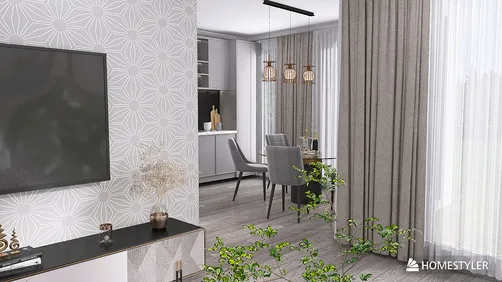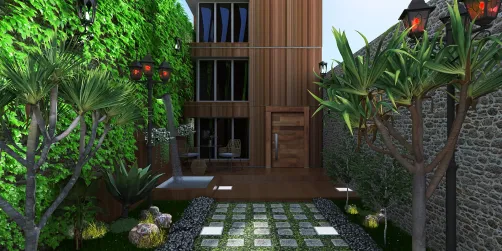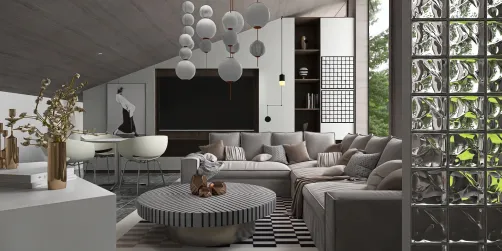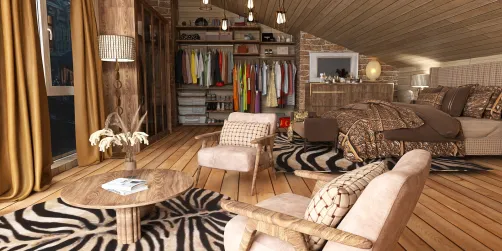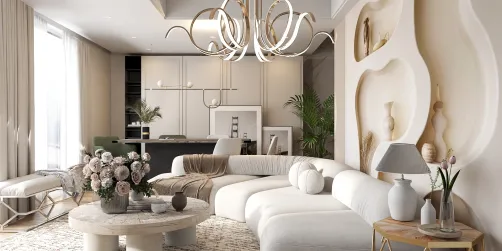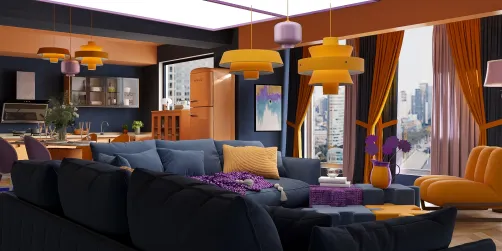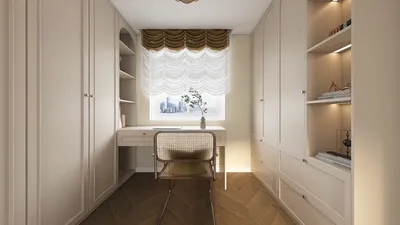
As a designer with over ten years of experience in transforming living spaces, I've observed that the blue-green color scheme is currently trending in interior design. This palette is not only refreshing and adaptable, but it also works remarkably well in both small apartments and expansive homes. Through my journey, I've found that compact areas often inspire the most creativity. Today, I'm thrilled to share ten inspiring blue-green living room concepts, integrating my personal expertise alongside industry insights, all aimed to ignite your next design adventure with the help of Homestyler.
1. Coastal Calm with Gentle Aqua Walls
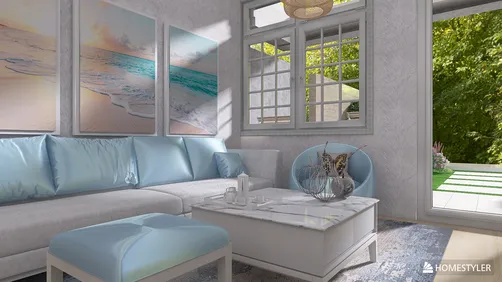
My Insight: I once worked on a city apartment for a client nostalgic for their coastal origins. By painting the living room in a gentle aqua, we successfully infused a serene, beachy feel into an urban environment.
Advantages: Gentle aqua hues illuminate beautifully, lending an airy ambiance to the room. As noted in Architectural Digest, lighter shades can visually enlarge compact spaces.
Disadvantages: In dim lighting, it may feel overly cool, so consider balancing it with warmer wooden elements or textured fabrics.
Tip: Incorporate natural fiber rugs or rattan furniture to add warmth and texture to the space.
2. Minimalist Chic with Teal and Grey
My Insight: In my loft, I chose a subtle teal accent wall in combination with concrete grey furniture. The result was stylish yet not too cold.
Advantages: This combination works wonderfully in minimalist settings, allowing teal to stand out without overwhelming the design. It’s particularly effective for showcasing glass accents that brighten the room in a mixed color context.
Disadvantages: Teal has a tendency to dominate, so it’s best to limit it to one or two walls.
Tip: Include plants to soften the modern edges and incorporate green tones into the design.
3. Statement Jewel-Toned Sofa
My Insight: One client desired vibrancy without chaos, so we opted for an emerald velvet sofa, which became the room's focal point while keeping the walls uncluttered.
Advantages: Jewel tones contribute richness and depth; emerald green can serve as a luxurious centerpiece in a blue-green living room design.
Disadvantages: Dark upholstery can reveal dust and pet hair more easily.
Cost Consideration: High-quality velvet requires an investment and comes with increased maintenance.
4. Textural Layers in Blue-Green Shades
My Insight: By layering various textiles—linen, velvet, and knit—in a range of seafoam and teal tones, I created a cozy and dynamic atmosphere.
Advantages: Different textures can make a cohesive color palette feel more lively, avoiding the flatness often associated with monochrome designs.
Disadvantages: Excessive textures may create visual clutter; aim for three to four complementary materials.
5. Botanical Art and Accent Walls
My Insight: I matched a deep blue-green feature wall with large botanical art pieces. The result was a look that felt both contemporary and classic.
Advantages: Botanical themes highlight green undertones, establishing cohesion. Feature walls create a visual focal point.
Disadvantages: An abundance of large artwork can overwhelm a compact living room.
Tip: Use low-profile furniture to ensure artwork remains visible and impactful.
6. Scandinavian Simplicity with Blue-Green Accents
My Insight: In a small studio, I paired an off-white backdrop with blue-green cushions, ceramics, and a textured throw, achieving a fresh and airy look.
Advantages: Light backgrounds allow colorful accessories to pop, maintaining brightness while making seasonal swaps hassle-free.
Disadvantages: Insufficient accent colors can lead to a bland appearance.
Tip: Maximize exposure to natural light by positioning seating close to windows.
7. Blue-Green and Brass Elegance
My Insight: In a high-rise living space, I combined a teal sectional with brass light fixtures, creating an ambiance reminiscent of a high-end boutique hotel.
Advantages: Brass beautifully contrasts with cooler tones, adding sophistication. This combination effectively balances modern and vintage styles.
Disadvantages: Brass requires regular maintenance to preserve its luster.
8. Ocean-Inspired Ombre Walls
My Insight: A gradient wall painted from deep navy at the base to soft aqua at the top transformed a client’s small living room, giving it a taller, more tranquil feel.
Advantages: Ombre effects can enhance the perception of height and serve as an artistic centerpiece. This style pairs well with L-shaped layouts, optimizing space for open seating.
Disadvantages: Perfecting an ombre look demands skill and patience, making DIY a possible source of frustration.
Tip: Hire a professional for flawless gradient application.
9. Rustic Charm with Blue-Green Plaids
My Insight: For a country home, I assisted a homeowner in selecting plaid curtains and cushions in muted blue and sage, instantly creating a warm, homey vibe.
Advantages: Classic patterns evoke a sense of nostalgia and charm, complementing cabin or farmhouse aesthetics.
Disadvantages: Excessive plaid can feel dated; it’s best to balance it with solid fabrics.
10. Monochromatic Blue-Green Calmness
My Insight: For a wellness coach client, we enveloped the entire room—walls, ceiling, and accessories—in various shades of turquoise, creating a soothing effect.
Advantages: Monochrome designs foster a spa-like feel, beneficial for relaxation zones and mindfulness environments.
Disadvantages: Monochrome spaces may appear flat without added textures or nuance. Layering is essential.
Tip: Incorporate subtle gloss finishes or warm wood elements to enhance the room's warmth.
Summary
Exploring blue-green living room concepts is all about making thoughtful, innovative design decisions that engage with light, texture, and atmosphere. Whether it’s coastal aqua, rich emeralds, or calming ombre effects, these suggestions illustrate the versatility of a defined color palette. As Elle Decor highlights, the strategic use of color plays a crucial role in crafting a harmonious home environment. Which of these ideas are you excited to experiment with using Homestyler?
FAQ
1. Which colors work well with a blue-green living room? Soft neutrals like white, beige, and warm woods harmonize beautifully, creating balance without overwhelming the palette.
2. Can blue and green visually enlarge a small living room? Absolutely. Lighter tones, such as aqua or seafoam, reflect light, promoting an open atmosphere, a fact highlighted by Architectural Digest.
3. How can I add warmth to a blue-green room? Integrate warm textures like wood, rattan, or brass fixtures to enhance the cooler base tones.
4. Are blue-green hues suitable for all design styles? Definitely. This palette adapts beautifully across styles, contingent on varying saturation and thoughtfully pairing elements.
5. What lighting works best for these rooms? Natural light is optimal; layer with warm-toned lamps to prevent a cold atmosphere.
6. Is it feasible to use bold prints in a blue-green palette? Yes, but it’s wise to limit their use to avoid clutter. Pair with solid colors for visual balance.
7. How can I maintain colored upholstery? Regular vacuuming, occasional professional cleaning, and protective sprays will help prolong its lifespan.
8. What’s a cost-effective way to experiment with this color palette? Start small with pillows, throws, and accent vases—easily changeable elements, or explore designs in free planners like Homestyler.
Homestyler is your go-to online home design platform! With its user-friendly design tool, stunning 3D renderings, and a wealth of inspiring design projects and video tutorials, you can effortlessly create and visualize your dream spaces. Start transforming your home today!