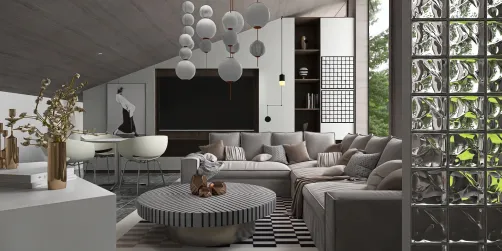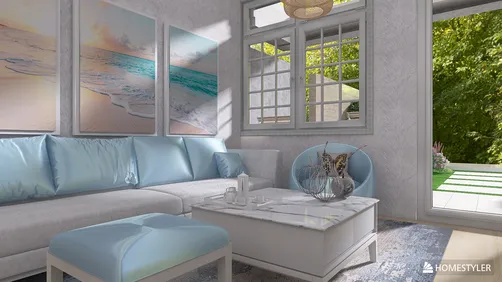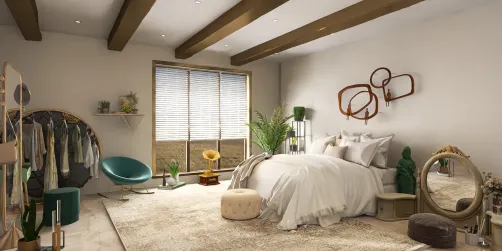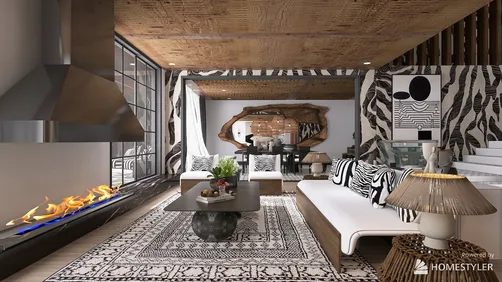
With over a decade of practical experience in interior design, I’ve noted how modern home trends celebrate elements like openness, natural light, and smart storage solutions. Particularly in compact areas where kitchens blend with living rooms, creativity flourishes. This article presents 10 innovative small kitchen living room ideas that I have implemented in actual projects, intertwining personal anecdotes with professional design insights.
1. Streamlined Kitchen Storage Options
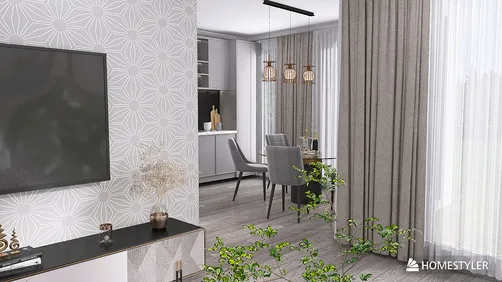
Personal Insight: During a renovation of a 25㎡ apartment featuring a shared wall between the kitchen and living room, I opted for sleek, minimalist cabinets that significantly enhanced visual space while cultivating an airy atmosphere. The results were transformative.
Benefits: These streamlined cabinets with hidden handles maintain a clutter-free appearance, optimizing the design of your compact kitchen-living space. Research by the National Kitchen & Bath Association highlights that minimalistic finishes can create an illusion of a more expansive area.
Drawbacks: Excessive minimalism might create a chilly ambiance; my clients once received comments questioning whether their kitchen was even utilized.
Advice: Combine white matte cabinets with warm wooden stools for a harmonious balance. Check out this minimalist kitchen storage design that exemplifies this approach.
2. Glass Backsplash for Enhanced Openness
Personal Experience: In a narrow apartment setting, replacing the tiled backsplash with glass significantly improved the sense of spaciousness and reflection between the kitchen and living room areas.
Advantages: A glass surface reflects light and adds visual depth, making it ideal for small open-concept spaces.
Challenges: Smudges and fingerprints can become more noticeable, meaning regular maintenance is necessary.
Suggestion: Consider frosted or tinted glass options for lower maintenance while maintaining that open vibe.
3. L-Shaped Design for Counter Space Efficiency
Personal Observation: I often utilize L-shaped layouts when integrating kitchen and living spaces, as they snugly fit into corners, freeing up floor space for dining areas.
Benefits: This configuration efficiently utilizes two walls, providing ample prep surfaces. According to Houzz, L-shaped designs rank among the most favored layouts for small homes.
Limitations: This style might restrict mobility if more than two people are cooking simultaneously.
Example: Lighter wall colors surrounding the L-shaped area can amplify the sense of openness—discover how one of my projects maximized counter space with this layout.
4. Incorporating Wooden Elements for Warmth
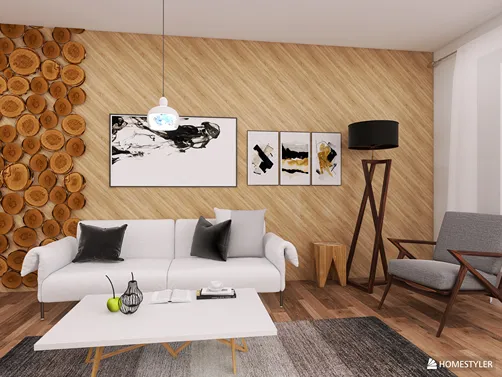
Personal Insight: In a recent loft renovation, the addition of a wooden shelf above the sofa helped blend the kitchen and living room, softening the overall transition.
Advantages: Wood tones add a cozy, inviting touch, counteracting the sterile vibe that sometimes comes with modern compact designs.
Disadvantages: Wood doesn’t fare well in humid kitchens and may warp without proper sealing.
Advice: Combine reclaimed wood with metal brackets for a trendy urban rustic effect.
5. Versatile Furniture Designs
Personal Insight: I crafted a mobile island that functions as both a breakfast bar and work desk for a client in a compact studio, enhancing practicality.
Pros: This approach saves space and boosts versatility within combined living areas.
Cons: Overly multifunctional pieces can appear cumbersome—striking the right balance is crucial.
6. Open Shelving for Accessibility and Display
Personal Take: Utilizing open shelving that extends from the living room into the kitchen provides continuity while showcasing ceramics and cookbooks.
Advantages: Easy access and a personal touch; this approach visually unites both spaces.
Challenges: Regular cleaning is necessary to prevent dust; clutter can detract from the overall look.
7. Defining Lighting Zones for Functionality and Ambiance
Personal Insight: Installing pendant lights over the island, paired with softer wall lighting in the living area, adds an element of definition.
Benefits: Switching between bright task lighting for culinary endeavors and warm mood lighting for entertainment becomes seamless.
Drawbacks: The initial investment for multiple lighting fixtures can be relatively high.
Example: Layered lighting strategies prove particularly effective in open-plan spaces, especially when visualized with tools like Homestyler.
8. Neutral Color Scheme with Colorful Accents
Personal Insight: I frequently opt for a neutral foundation across both kitchen and lounge areas, introducing color pops through cushions and small appliances.
Benefits: Neutral shades foster cohesion throughout the space, while vibrant accents infuse personality.
Drawbacks: Excessive colorful additions can visually clutter a compact area.
9. Sliding or Pocket Doors
Personal Take: Implementing a sliding glass door between the kitchen and living room creates separation without compromising light accessibility.
Advantages: Ideal for containing cooking odors while maintaining an open view.
Disadvantages: Installation may prove challenging in older structures.
10. Built-in Seating Solutions with Storage
Personal Insight: In a micro-apartment, I designed a bench underneath a window facing the kitchen that offered both seating and ample storage.
Pros: This dual-purpose design increases seating capacity without requiring additional floor space.
Cons: Fixed seating may limit flexibility for layout adjustments.
Summary
Having a small kitchen within a living area should not be seen as a limitation but rather as an opportunity for smarter design. As noted by Architectural Digest, successful compact living hinges on innovative zoning and multifunctional solutions. Which of these small kitchen living room concepts are you eager to implement first?
FAQ
1. What are the ideal layouts for a small kitchen living room blend? L-shaped and one-wall configurations are popular choices that optimize counter space while maintaining an open floor plan.
2. How can I create a feeling of spaciousness in a small kitchen living room? Implement light colors, reflective surfaces, and minimal furniture to visually enhance space.
3. Does open shelving suit compact kitchen living spaces? Absolutely, provided items are organized and limited to prevent visual overload.
4. Are sliding doors a beneficial choice? Sliding or pocket doors allow for separation without sacrificing light—perfect for smaller areas.
5. How much should I expect to spend to merge a kitchen and living room? Costs vary; minor renovations may start around $3,000, while extensive structural changes could exceed $15,000.
6. In what ways can lighting enhance a small kitchen living area? Layered lighting, encompassing task, ambient, and accent sources, addresses both functionality and ambiance.
7. Is hiring a designer worthwhile? According to NKBA statistics, expert guidance can improve space efficiency by as much as 30% in small homes.
8. Where can I find examples for inspiration? You can browse curated displays of combined layouts, like the visual designs made possible with tools like Homestyler.
Homestyler is your go-to online platform for effortless home design! With its user-friendly design tool, stunning 3D renderings, and a plethora of DIY video tutorials, you can easily create and visualize your dream space. Start your design journey today!