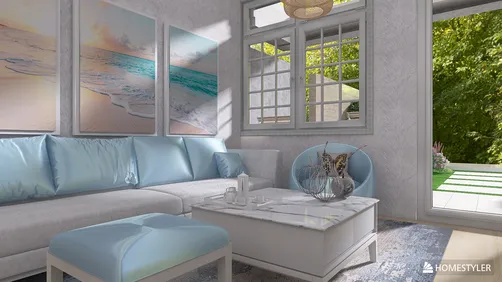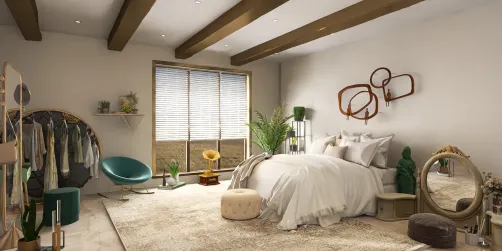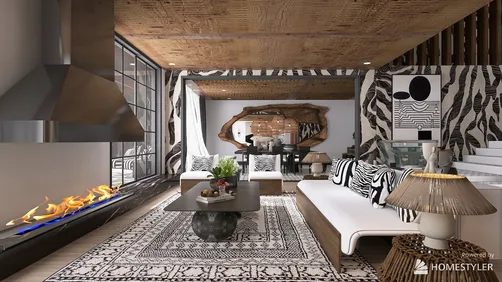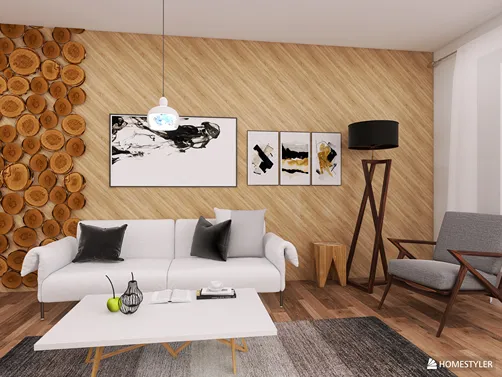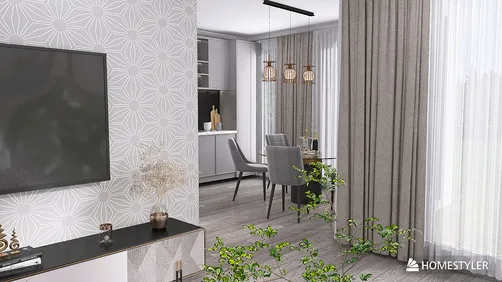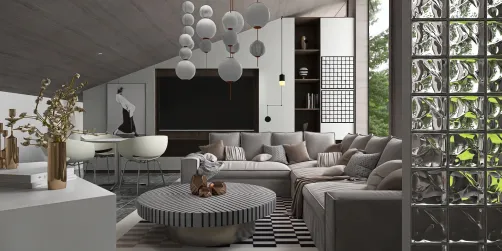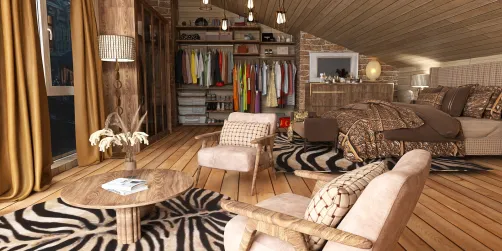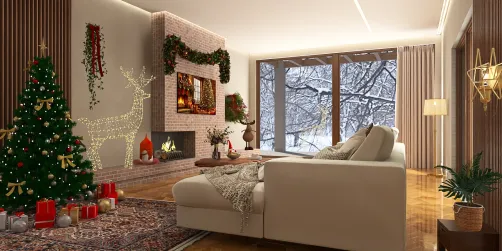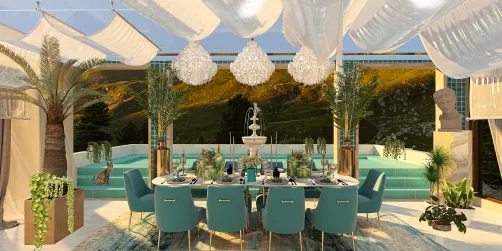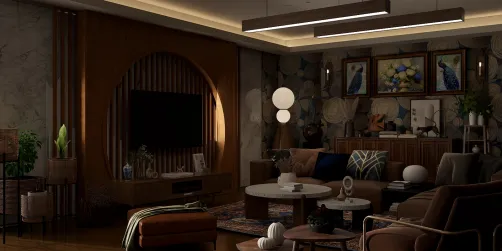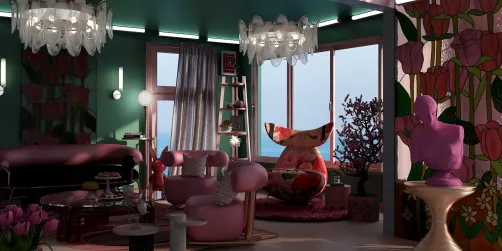
Recently, there has been an increasing trend in maximizing the potential of compact living spaces, with small apartments emerging as fascinating design arenas. I firmly believe that small environments inspire greater creativity, as these limitations encourage us to think innovatively. In this article, I will present 10 innovative decor ideas for living rooms in small apartments, all cultivated from my own experiences and reputable design literature. No matter if you prefer a cozy minimalist approach or a more vibrant aesthetic, you'll discover something here that resonates with you.
1. Streamlined Storage Options
My Perspective: One of the transformations I cherished most was in a 35 m² apartment where we replaced bulky cabinets with sleek floating shelves. This adjustment made the space feel instantly larger and more inviting.
Advantages: By opting for minimalist storage, a small living room can appear tidy and efficiently utilize floor space. A 2023 trend report from Houzz indicates that open shelving promotes organization and flexibility in display.
Disadvantages: If not styled with care, open shelves can easily become disorganized. Plus, they tend to attract dust like a magnet.
Advice: Combine closed storage for less desirable items with open shelving for display purposes. I frequently incorporate this into minimalist living room designs to visually broaden the area.
2. Clever Use of Mirrors
My Experience: For a client with a corner living room that lacked windows, I placed a large round mirror opposite the main light source, and the transformation was remarkable.
Benefits: Mirrors can significantly enhance the sense of space and reflect light around the room. When positioned wisely, they can create depth and emphasize important features.
Drawbacks: However, if used excessively, they might create a disorienting effect. Additionally, large mirrors require secure installation due to their weight.
3. Versatile Furniture Choices
My Insight: I adore coffee tables that offer hidden storage and sofa beds in city dwellings, as they conserve space while maintaining both comfort and style.
Pros: Each furniture piece serves multiple purposes, which is ideal for layouts in small apartments. This approach aligns perfectly with the 'tiny living' philosophy championed by The American Institute of Architects.
Cons: These items can be on the pricier side and might be cumbersome to move.
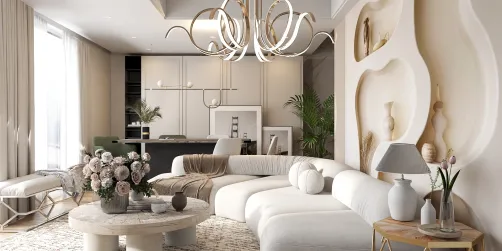
4. Soft and Neutral Color Palettes
My Approach: I once transformed a 28 m² living room by painting it warm white and soft beige. The influx of natural light turned it into a serene haven.
Pros: Light, neutral colors reflect more light, making spaces feel expansive and open. They also serve as a versatile backdrop for seasonal decor updates.
Cons: However, an excess of neutrals can come across as dull—it's crucial to add texture to counterbalance this.
5. Utilizing Vertical Space
My Learning: A recent loft renovation revealed the remarkable potential of tall bookcases. We extended storage to the ceiling, adding both visual drama and practicality.
Pros: This approach maximizes every inch of space while drawing the eye upward, which is perfect for small apartments with lofty ceilings.
Cons: Accessibility can pose a challenge—keeping a foldable ladder nearby is advisable.
Example: If you're considering layout changes, explore creative vertical living room solutions for ideas.
6. Textured Textiles and Layering Techniques
My Preference: I enjoy layering rugs, combining various throw pillows, and draping blankets. This approach adds comfort and depth, particularly in open-plan living areas.
Pros: Textiles can soften sharp edges and are easily changeable based on the season or mood.
Cons: However, excessive layering in a confined space may lead to a cluttered look if not done tastefully.
7. Clear or Lucite Furniture
My Opinion: Transparent coffee tables and chairs seamlessly blend into the surroundings, providing the illusion of a larger area.
Advantages: Ideal for preserving openness while ensuring functionality, especially valuable in narrower living rooms.
Disadvantages: These materials tend to show fingerprints and smudges quickly, which can be particularly frustrating for perfectionists.
8. Personality-Filled Accent Walls
My Experience: In my own home, I opted for a deep teal accent wall adorned with framed art. It became an immediate focal point.
Pros: A vibrant accent wall can infuse character without overwhelming the space, and it helps define areas in open-concept settings.
Cons: Selecting the wrong hue could make a room feel more confined, so always test paint colors beforehand.
9. L-Shaped Sofas for Defining Spaces
My Design: I furnished a small 25 m² studio with an L-shaped sofa that subtly delineated the living area from the sleeping zone.
Pros: This arrangement creates natural divisions and provides additional seating, fitting neatly into small apartment layouts.
Cons: However, it might restrict layout options if the sofa is overly large.
Tip: Pairing an L-shaped chair with open-plan kitchen designs can facilitate a dynamic, multifunctional space.
10. Eye-Catching Lighting Fixtures
My Insight: Utilizing pendant lights, wall sconces, or even striking floor lamps can introduce both functionality and artistry into a compact area.
Pros: Thoughtful lighting can set the ambiance, establish focal points, and make a small space feel more welcoming.
Cons: However, oversized fixtures can dominate the room—scaling appropriately is vital.
Conclusion
Maximizing small apartment living rooms hinges on intelligent design choices rather than restrictions. As highlighted by the National Association of Home Builders, adaptable and multifunctional areas are central to the interior design trends of 2024. Which of these concepts inspires you to enhance your own space?
FAQ
1. What's the secret to decorating a small apartment living room?
It's essential to maximize space through multifunctional furniture and strategic layouts. Light colors and effective lighting also create an expansive feel.
2. How can I create a perception of a larger living room?
Incorporate mirrors, opt for lighter shades, and choose furniture with exposed legs. Architectural Digest suggests these tactics for enlarging spaces visually.
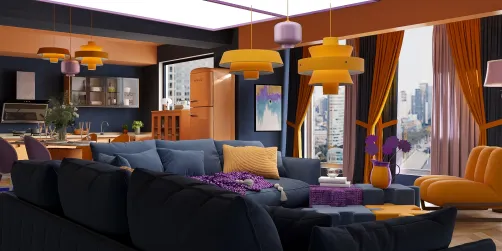
3. Is it possible to use dark colors in a small apartment?
Certainly, but keep darker hues to one accent wall or use them sparingly to prevent a constricted feel.
4. What are economical decor solutions for small apartments?
Creating DIY wall art, sourcing thrifted decor, and rearranging existing elements can dramatically enhance the space without significant expenditure.
5. How do I select the correct rug size?
Choose a rug that is large enough to anchor your main furniture pieces, effectively tying the room together.
6. Are L-shaped sofas suitable for small apartments?
Yes, provided they are sized appropriately. Complementing them with storage ottomans can add extra functionality.
7. How do I incorporate storage without overcrowding?
Utilize vertical storage, floating shelves, and hidden compartments within furniture pieces for organization.
8. Should my living room decor match my kitchen in a studio apartment?
Yes, this helps to create visual continuity. A coordinated color palette and materials contribute to a cohesive feel in the space.
If you're looking to transform your home with ease, Homestyler is the ideal online design platform for you. Enjoy its user-friendly design tool, stunning 3D renderings, inspiring design projects, and helpful DIY video tutorials. Create your dream space effortlessly and with confidence!