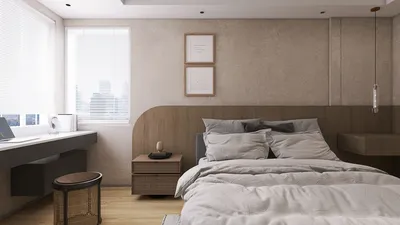
In recent years, the trend of open concept living rooms and kitchens has surged in popularity. Based on my extensive experience in this field, I have discovered that taking down those barriers creates a more welcoming atmosphere. This style particularly excels in smaller spaces, encouraging innovative solutions in terms of zoning and storage. In this article, I will present 10 open concept living room and kitchen ideas derived from my design experience, incorporating insights backed by industry trends and utilizing tools like Homestyler for visualization.
1. Streamlined Kitchen Storage
My Perspective: I once revamped a compact 25㎡ apartment where sleek cabinetry dramatically redefined the open kitchen's vibe—creating a sense of space that felt light and uncluttered. Minimalist storage isn’t dull; it reflects a commitment to intentional design.
Advantages: Clean lines and flat-panel cabinets enhance visual space, aiding in maintaining a tidy living area. According to a recent trends report, clutter-free kitchens are among the top 5 most desired features in open layouts.
Drawbacks: This approach necessitates a habit of returning items to their designated spots; disorderly counters can quickly disrupt the overall aesthetic.
Suggestion: Implementing hidden vertical storage can be transformative—consider tall pantry pull-outs or appliance garages. Check out how I seamlessly integrated minimalist kitchen storage designs in a recent project, making use of Homestyler to bridge the kitchen and living spaces.
2. Glass Backsplash to Enhance Light
My Perspective: In a compact open layout, I swapped out a dark tiled backsplash for frosted glass. The effect of light being reflected into the living room was remarkable—almost like introducing an additional window.
Advantages: This choice increases brightness and provides a sleek, contemporary esthetic, especially when paired with LED strip lighting beneath cabinets.
Drawbacks: Glass is prone to showing smudges more readily than tile or stone, necessitating daily maintenance.
Suggestion: Opt for tempered glass to ensure safety and durability in this application.
3. L-Shaped Kitchen for Optimal Counter Space
My Perspective: I am an advocate for using an L-shape in open plans—it facilitates expansive counter space, which is beneficial for both preparation and casual dining. In one loft project, this layout naturally defined areas without the need for walls.
Advantages: It promotes smooth traffic flow and creates multifunctional work zones. The National Kitchen & Bath Association recognizes L-shaped kitchens as one of the top three layouts for small open concept designs.
Drawbacks: Custom cabinetry might be required for a perfect fit, potentially increasing project costs.
Suggestion: Include a breakfast bar on one side of the L for additional seating.
4. Wooden Accents for a Cozy Touch
My Perspective: In modern open concepts, the addition of wood elements can warm up the ambiance. I have used walnut shelves and bar stools to soften an otherwise stark white color scheme.
Advantages: Wood introduces texture and a grounding feeling, complementing various styles ranging from Scandinavian to industrial.
Drawbacks: Maintenance is essential; wood elements may require occasional oiling or sealing to remain appealing.
Suggestion: Small wooden features, such as trims or open shelving, can make a substantial impact.
5. Defining Spaces with Statement Lighting
My Perspective: Strategic lighting is a pivotal tactic in distinguishing areas. In open areas, I prefer a chandelier in the living space coupled with pendant lights over the kitchen island.
Advantages: This method creates visual boundaries while adding character to each distinct zone.
Drawbacks: More lighting fixtures necessitate extensive planning for electrical installations.
Suggestion: Incorporate dimmer switches to allow for a versatile lighting atmosphere from bright cooking conditions to soft evening settings.
6. Uniform Flooring for a Cohesive Look
My Perspective: A client initially considered combining tiles in the kitchen with wood flooring in the living room; I encouraged them to choose a singular material throughout, resulting in a beautifully cohesive environment.
Advantages: Uniform flooring enhances the perception of space and fosters connection; it minimizes visual interruption.
Drawbacks: Select a material resilient enough to withstand kitchen spills while offering comfort in the living area.
Suggestion: Engineered wood or high-quality vinyl perform excellently in open arrangements. Here's an instance where uniform flooring fostered a naturally flowing space.
7. Kitchen Island with Hidden Storage
My Perspective: During a renovation, we crafted an island that functioned as both a dining area and concealed storage for lesser-used appliances, becoming the home’s focal point.
Advantages: It optimizes space, provides additional prep areas, and encourages social interaction while cooking.
Drawbacks: If improperly sized, it can overwhelm a small setting visually.
Suggestion: Consider incorporating drawers on both sides of the island to enhance accessibility between the kitchen and living areas.
8. Open Shelving as a Display Feature
My Perspective: Utilizing open shelves to display cookbooks and plants enriches the kitchen's connection to the dining area, making it feel integrated within the living zone.
Advantages: It injects personality and offers easy access to everyday items.
Drawbacks: Requires regular upkeep to prevent a cluttered appearance.
Suggestion: Organize items by color or style to achieve a harmonious aesthetic.
9. Integrated Appliances for a Seamless Look
My Perspective: Concealed appliances enable an open concept kitchen to mimic a living area. In one small condo project, integrating a panel-ready fridge significantly improved the space's overall unity.
Advantages: It establishes a sleek visual line, minimizing the ‘kitchen-dominant’ atmosphere in a blended environment.
Drawbacks: Integrated appliances generally come with a higher price tag.
Suggestion: Start with the dishwasher—adding just one integrated piece can substantially enhance the visual appeal. View how this design integration improved the coherence in a downtown apartment kitchen-living combo.
10. Living Area with an Accent Wall
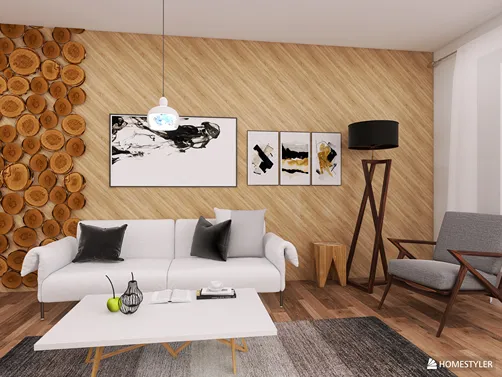
My Perspective: An accent wall provides an effortless method to infuse character. I frequently opt for a subtle contrasting hue or textured wallpaper behind the sofa to anchor the living space effectively.
Advantages: It introduces visual intrigue while helping to define the living area without needing physical barriers.
Drawbacks: Color coordination is crucial to maintaining harmony with adjacent kitchen areas.
Suggestion: Incorporate the accent color into kitchen accessories to create balance throughout the space.
Conclusion
Designing an open concept living room and kitchen transcends merely eliminating walls; it focuses on establishing a harmonious and functional flow. Particularly in smaller homes, clever design tactics can leave a significant impact without feeling confined. As suggested by the National Kitchen & Bath Association, prioritizing zones and cohesive aesthetics remains essential. Which of these 10 ideas are you eager to implement, perhaps using platforms like Homestyler for visualization?
FAQ
1. What is the primary benefit of an open concept living room and kitchen?
This design promotes enhanced light flow, social interaction, and a sense of spaciousness, even in smaller residences.
2. How can I ensure a unified appearance between kitchen and living spaces?
Employ uniform flooring, repeated colors, and harmonized lighting fixtures to strengthen the connection between areas.
3. Are open concepts effective in constricted apartments?
Absolutely, especially when integrating storage solutions and defining visual zones instead of relying on physical barriers.
4. How can I diminish noise levels in an open plan?
Integrate soft furnishings such as rugs, curtains, and upholstered items to help absorb sound.
5. What lighting style works best in an open concept kitchen/living room?
A layered lighting scheme—incorporating ambient, task, and accent lighting—is deemed most effective, as per the American Lighting Association.
6. How can I conceal kitchen clutter in an open layout?
Use deep drawers, appliance garages, or potentially a low partition to shield the sink area from sight.
7. Is it possible to mix various design styles in an open concept setting?
Yes, but ensure cohesion through a consistent color palette or recurring materials, such as wood or metal.
8. Where can I observe real-life examples of open concept designs?
Explore case studies featuring my open concept kitchen and living room designs for inspiration from completed projects.
Homestyler is your go-to platform for transforming home design dreams into reality. With its user-friendly online design tool, stunning 3D renderings, and a wealth of DIY video tutorials, you can explore endless interior design possibilities effortlessly. Start creating your perfect space today!















![[For my dearest Sabrinik 🧡]](https://hs-designs.homestyler.com/production/design/images/3f463715-5ed6-4c49-9346-16d464510aa6/1714085722568.jpg?x-oss-process=image/resize,w_502,m_mfit/format,webp)