Several years back, I worked with a client who was determined to place a billiards table right in the center of their combined living and dining space. Their reasoning? They claimed it would serve as a conversation starter. Well, it certainly sparked many discussions — primarily about how difficult it was for anyone to walk around without banging their shins. That project imparted a crucial lesson: in compact areas, every square inch must serve multiple purposes, and the design should evoke joy without causing obstacles. Today, I’m excited to share ten innovative ideas for living-dining room combos that have been successful in my projects. These designs show that even small spaces can appear airy and welcoming. Additionally, if you're looking to visualize layouts prior to rearranging furniture, I highly suggest using an online room planner like Homestyler, which has saved me from many potential frustrations.
1. Define Areas with a Rug
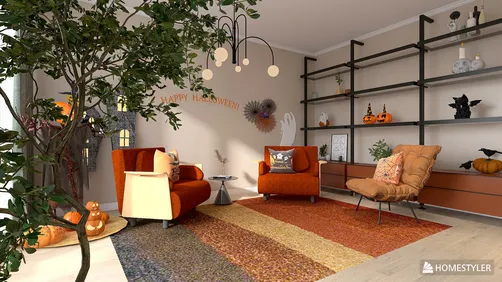
Using rugs is one of the most effective methods to visually separate the dining and living spaces. In one of my designs, I chose a vibrant patterned rug under the dining table, paired with a softer, neutral option for the seating area. The key is to ensure that the patterns or colors complement rather than clash — I often create a color bridge through cushions or artwork to achieve this harmony.
2. Opt for a Round Dining Table
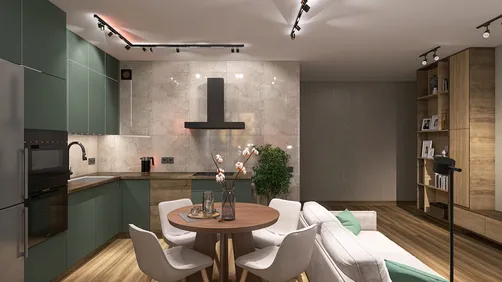
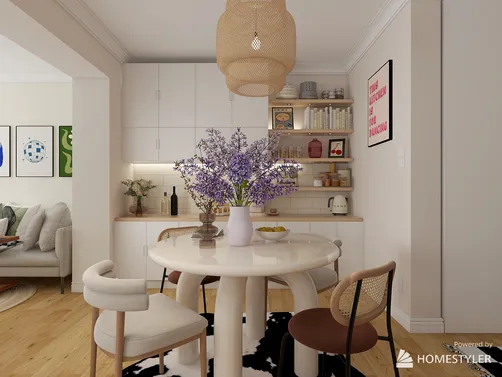
Round tables provide a smoother flow and foster a gentler transition between the areas. They also allow for additional seating without making the space feel crowded. However, ensuring the right diameter so chairs can be easily pulled out without hitting the sofa can be a challenge in smaller layouts.
3. Use Shared Lighting as a Focal Point
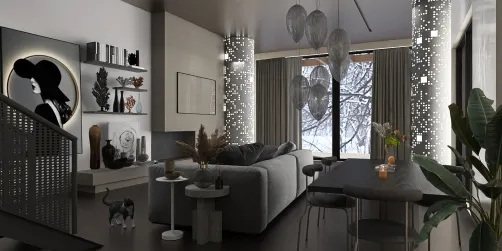
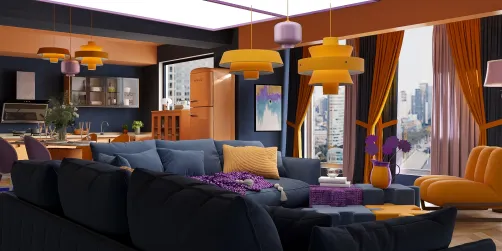
Rather than installing two separate light fixtures, consider a single bold piece that visually combines the two areas. I once installed a multi-arm pendant light that extended over both the sofa and the dining table, and it became a striking centerpiece within the room.
4. Choose Modular Furniture That Adapts to You
Lightweight furniture, such as sectional sofas or stackable dining chairs, can transform the area in just a few moments. This is ideal for hosting dinner parties when you need extra dining space quickly. I particularly like using storage ottomans — they're versatile as seating, coffee tables, and hidden storage all in one.
5. Incorporate Floating Shelves to Differentiate Spaces
Wall-mounted shelves can subtly divide areas while keeping the floor open. In one loft apartment, I crafted floating shelves that acted as a small library and display area along the boundary. This approach defines spaces without obstructing sightlines and works exceptionally well with tools such as the Homestyler free floor plan creator during the design stage.
6. Use Consistent Flooring for Cohesion
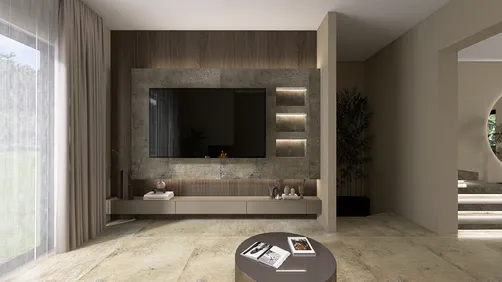
Utilizing the same flooring across both zones can create a sense of spaciousness and unity. You can then introduce texture and interest with area rugs without disrupting the flow. I've witnessed many instances where differing floors in each area result in a disjointed appearance.
7. Employ a Low-Back Sofa as a Visual Separator
A low-profile sofa can establish a gentle visual boundary that doesn’t obstruct views. This keeps the room feeling airy, especially in areas enriched with natural light. Just bear in mind that the back of the sofa will be visible, so it should be aesthetically pleasing.
8. Experiment with Two-Tone Walls
Painting the dining area a slightly darker shade than the living space can create a psychological separation without the need for additional furniture. This approach is not only budget-friendly but also surprisingly effective. However, matching the undertones is essential to avoid clashing.
9. Consider Extendable Dining Tables
For everyday use, maintain a compact size; when guests arrive, you can easily extend it. Some contemporary designs are so seamlessly crafted, you might not realize they can double their size. I always recommend checking the dimensions against circulation space — or using a kitchen layout planner like Homestyler to visualize when the table is fully extended.
10. Utilize Mirrors for Added Depth
Properly placed mirrors can make a combined living-dining area feel twice as spacious. My advice: position mirrors opposite windows to reflect natural light throughout the room. However, be careful not to overdo it — you want to enhance the space's openness, not create an overwhelming effect.
FAQ
Q: What’s the best way to arrange furniture in a compact living-dining area?
A: Use rugs, lighting, or furniture arrangements to define each zone, while keeping pathways clear for smooth movement.
Q: Is it possible to mix various design styles in a single combo room?
A: Absolutely, just anchor the styles with a consistent color palette or repeated materials to ensure the space feels cohesive.
Homestyler is your go-to online home design platform, perfect for all skill levels. With its user-friendly design tool, stunning 3D renderings, and a wealth of DIY video tutorials, you can effortlessly create and visualize your dream space. Transform your ideas into reality today!