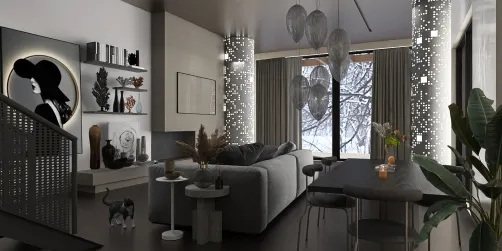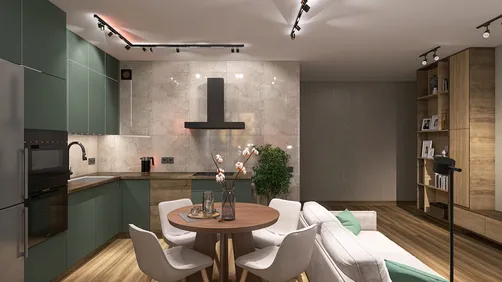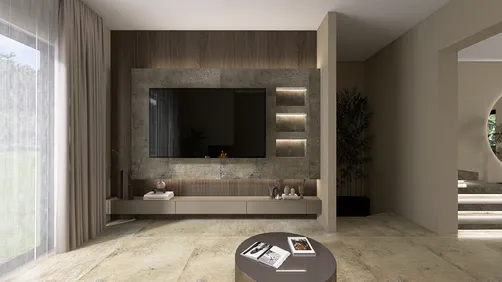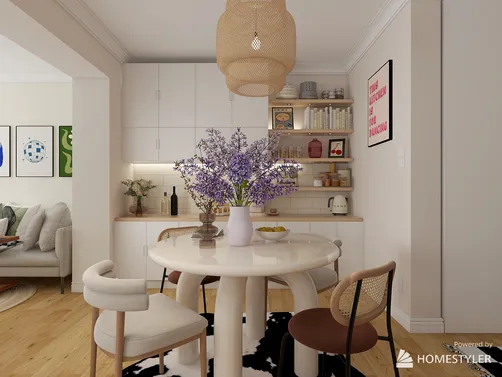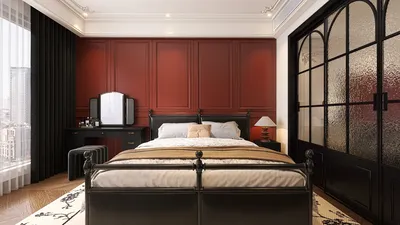
During my ten years as an interior designer, I've observed a fascinating shift in living room dynamics — the presence of a TV is no longer limited to the screen itself but encompasses the entire ambiance surrounding it. With the increase in small apartment living, I have discovered that compact spaces can inspire substantial creativity in TV integration. In this article, I will share 10 innovative decorating ideas for living rooms that feature TVs, merging my own design experiences with expert advice to assist you in crafting a space that is both aesthetically pleasing and functional, embodying your unique style while also considering tools such as " Homestyler" for planning layouts.
Minimalist Floating TV Unit
My Insight: I am particularly fond of floating TV units as they free up floor space which enhances the openness of the room. I once installed a white matte-finish floating shelf in a snug living room, resulting in an instant transformation to a space that felt lighter and more serene.
Advantages: Delivers a sleek, contemporary aesthetic, maximizes visible floor space, and simplifies cleaning routines. This style aligns perfectly with compact TV wall ideas as highlighted in the latest trends from Architectural Digest (2023).
Disadvantages: It necessitates secure wall mounting, making it unsuitable for fragile or partition walls, and offers limited storage compared to bulkier media cabinets.
Suggestion: Pair it with smart cable management solutions to maintain a tidy appearance. I once combined it with a minimalist storage design that transformed a client's TV wall into a striking gallery feature.
Wall-Mounted TV with Art Frame
My Perspective: If your goal is to minimize the TV's dominance within the room, framing it as if it were a piece of art is an effective approach. I collaborated with a client who wanted the TV to seamlessly blend within a gallery wall, successfully turning it into a decorative element rather than a technological eyesore.
Benefits: This technique softens the technological aspect, facilitates TV integration into various decor styles, and can be tailored to complement existing furniture finishes.
Drawbacks: Some frames can restrict ventilation or interfere with the remote control sensor range, and may incur additional costs relative to standard TV mounts.
Tip: Opt for an easy-to-change magnetic frame system that allows you to refresh your decor style seasonally.
Built-In TV Niche
My Opinion: Built-in niches offer an elegant and seamless finish to the room. I once designed one that included bookshelves on either side, allowing the TV to feel like part of a broader artistic composition.
Pros: It provides integrated storage and display options, diminishes visual clutter, and is particularly effective within modern living room layouts.
Cons: A fixed size could pose challenges if you later decide to upgrade to a larger TV, and the installation can be more expensive due to carpentry work.
Advice: Ensure to leave a slight margin within the niche for proper ventilation and flexibility when upgrading your TV.
Accent Wall Behind the TV
My Take: Implementing an accent wall behind the TV draws attention and adds visual depth. I frequently use dark charcoal paint or textured panels to establish the screen as a focal design component.
Advantages: It introduces contrast, conceals the screen when not in use, and elevates the perceived height of the wall.
Disadvantages: A dark color can make compact rooms feel even smaller if not applied thoughtfully.
Recommendation: For a softer effect, consider using wallpaper with subtle textures instead of solid bold colors.
TV Above a Console with Open Shelving
My Insight: Melding a TV with a console and open shelving optimizes organization for media components and decorative accents. In one instance, I integrated industrial metal shelves with wood for a stylish yet masculine appeal, tailored for a bachelor client.
Benefits: This combination offers both storage and styling opportunities, making it ideal for compact living room TV setups.
Drawbacks: Careful styling is essential, as excess objects can lead to a cluttered appearance.
Tip: Arrange decorative items in sets of three to achieve visual balance; I often suggest an open shelf design for clients seeking convenient access to media devices while incorporating tools like " Homestyler" for visualization.
Hidden TV Behind Sliding Panels
My Observation: For those clients who prefer the TV concealed, sliding panels provide an innovative solution. I have created versions featuring barn doors and sleek modern panels for a chic finish.
Pros: This design enables an instant transition from entertainment mode to social gathering, while also keeping the screen dust-free.
Cons: Installation may require complexity; panels can add to the cost and necessitate wall space on each side.
Tip: Incorporate panels that feature contrasting materials like rattan or fabric for added texture.
Corner TV Placement
My Take: Not every living room offers perfectly flat walls, so utilizing corners can be incredibly practical. I implemented a swiveling wall mount in a compact loft, allowing the screen to face both the kitchen and the sofa area.
Advantages: It maximizes unusual spaces, freeing main walls for artwork or windows and enhancing sightlines in open areas.
Disadvantages: It can complicate furniture arrangements and requires specialized corner mounts.
Tip: Visually anchor the corner with a rug or a tall plant to create an intentional design statement.
Gallery Wall Around the TV
My Thought: Rather than concealing the TV, embrace its presence by incorporating it into an eclectic gallery wall. In my apartment, I mixed photos, prints, and small 3D objects — this always sparks comments from guests.
Benefits: This approach distracts from the TV's black frame, personalizes the space, and offers flexibility for future changes.
Drawbacks: If not executed well, it may appear visually busy; thus, TV wires must be concealed effectively.
Tip: Utilize a consistent color palette or frame style to maintain cohesiveness. This strategy works incredibly well with a warm wood tone decor style to unify your spaces.
Fireplace and TV Combo Wall
My View: A fireplace-TV combo wall is often the focal point of living rooms. In one project, I paired a low electric fireplace with LED backlighting under the TV to enhance the ambiance.
Pros: It creates a striking focal point, harmonizing comfort and entertainment, fitting beautifully in both traditional and contemporary interiors.
Cons: Heat risks are a consideration for certain TV models; proper installation is critical to avoid issues.
Tip: Always adhere to the manufacturer's clearance recommendations between the TV and fireplace to prevent damage.
Multipurpose Media Wall with Storage
My Insight: In smaller homes, a media wall can serve as storage for books, art displays, and hide clutter. I once designed a floor-to-ceiling unit equipped with sliding doors for versatile storage options.
Advantages: It's space-efficient, integrating the TV harmoniously, and ideal for multifunctional small living room ideas.
Disadvantages: Larger built-ins can be more expensive and challenging to move should you relocate.
Tip: Consider modular systems for added flexibility in design.
Summary
In summary, designing a living room that accommodates a TV revolves around making intelligent choices that do not compromise style for function. My experiences have shown that small spaces demand more innovative thinking, whether concerning storage, aesthetics, or layout. As Elle Decor aptly states, "the TV should complement the room, not control it." Which of these 10 living room decorating ideas with a TV are you excited to implement? You can utilize platforms like " Homestyler" to visualize these concepts in your own space.
FAQ
1. What’s the best way to conceal a TV in my living room?
Utilizing sliding panels or built-in niches effectively blends with your decor while providing a sleek look.
2. How can I enhance the styling of my TV wall?
Consider an accent wall, a gallery wall, or a framed TV design. Consistency in colors or frame styles aids in maintaining a cohesive look.
3. Should the TV serve as the primary focus in the living room?
Not necessarily. Interior Design Magazine suggests that integrating the TV into a multifunctional wall can create a more harmonious feel.
4. Is it possible to position a TV above a fireplace?
Yes, but you must follow clearance guidelines to protect the TV from heat damage.
5. How can I decorate around a wall-mounted TV?
Incorporate floating shelves, plants, or artwork to balance the technological aspect and introduce warmth.
6. What is the ideal TV size for a compact living room?
Generally, a size between 43–55 inches is suitable, depending on viewing distance; larger screens might overwhelm limited spaces.
7. What budget-friendly decorating ideas exist for small living rooms with TVs?
Consider painting an accent wall, rearranging furniture, or adding DIY floating shelves for impactful yet affordable solutions.
8. How can I effectively manage TV wires for a clean appearance?
Implement in-wall cable kits or decorative cord covers. I've paired this with minimalist shelf designs, exemplified in this project, for a streamlined look.
Homestyler is your go-to online home design platform! With its user-friendly design tool, stunning 3D renderings, and a wealth of DIY video tutorials, you can effortlessly transform your space. Explore endless design projects and unleash your creativity—making your dream home a reality has never been easier!