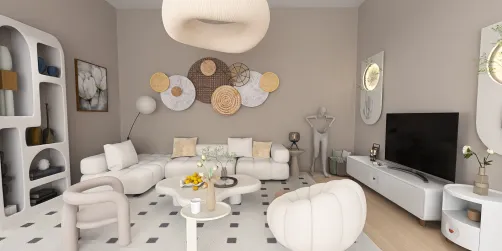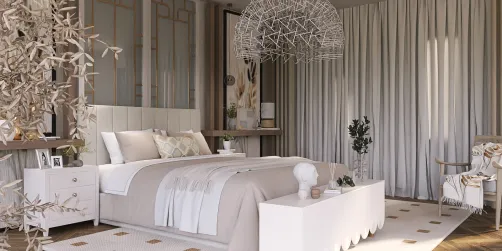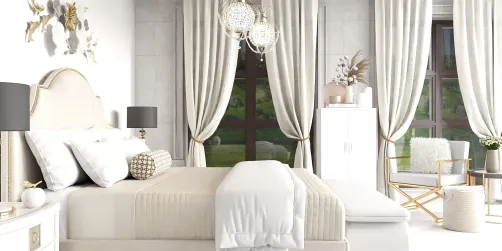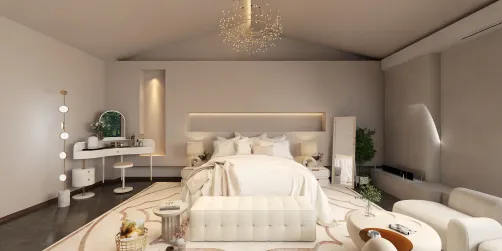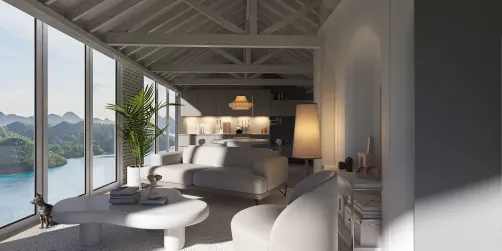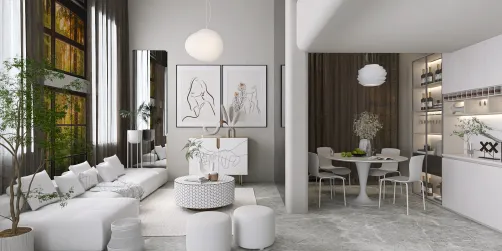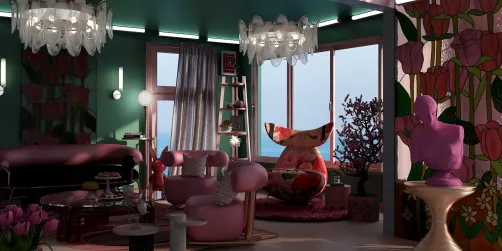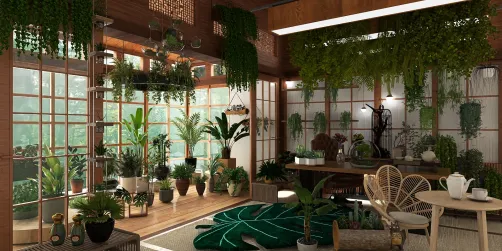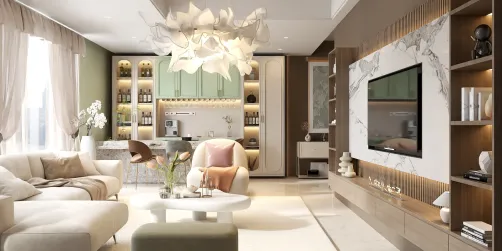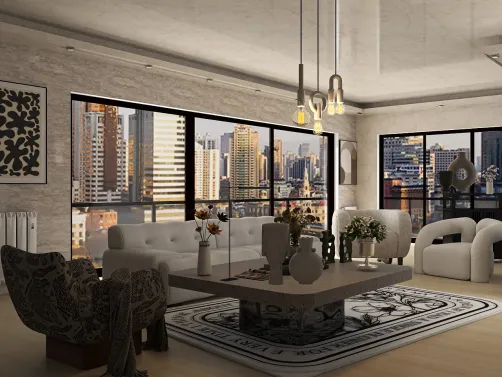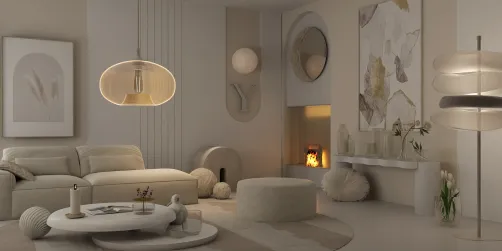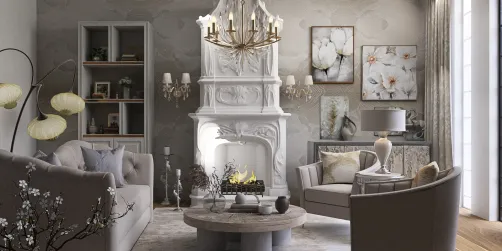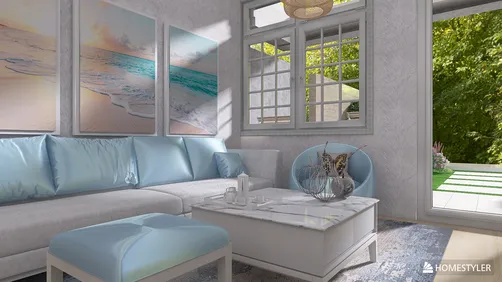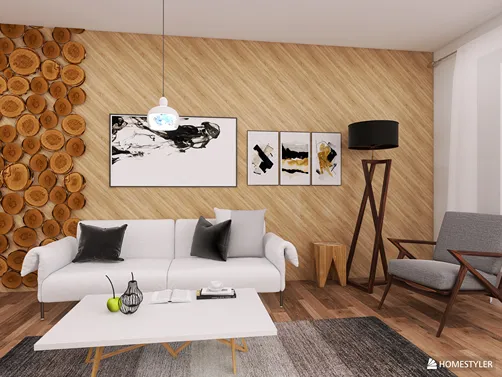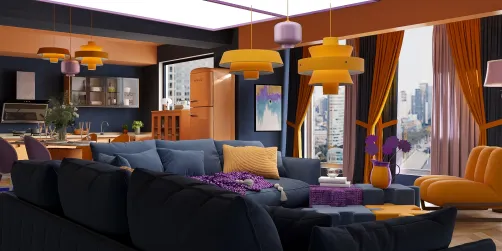
In my decade-long journey as an interior designer, I've observed a remarkable transformation in living room trends, transitioning from hefty standalone sofas to versatile sectional couches that can dramatically alter the ambiance of a space. This evolution is especially evident in smaller rooms, where a well-designed sectional layout can create a sense of openness. Here, I share ten innovative living room ideas featuring sectional couches based on my experiences, expert insights, and real-life applications, all enhanced by Homestyler.
1. Minimalist Sectional in a Neutral Color Scheme
My Perspective: I once revamped a downtown loft where a sleek beige sectional emerged as the focal point, anchoring the room without overpowering it.
Advantages: Shades like beige, gray, and off-white promote a spacious feel and allow for seasonal accent color changes. As reported by Houzz's 2023 trend analysis, over 45% of homeowners favor neutral sectionals for their timeless appeal.
Disadvantages: Lighter fabrics may necessitate more frequent cleaning, particularly if you have children or pets.
Suggestion: Consider investing in performance fabrics to resist stains and damage.
2. L-Shaped Design to Create Defined Areas
My Perspective: In a design for an open-plan apartment, the sectional effectively segmented the living area from the dining space without the use of walls.
Advantages: An L-shaped configuration is ideal for compact spaces, as it establishes distinct zones while maximizing seating. With strategic placement, it can function as a subtle room divider.
Disadvantages: Rearranging can be challenging due to the fixed nature of the shape.
I often utilize this arrangement in kitchen design, emphasizing that zoning principles are equally effective in the living area.
3. Incorporate a Chaise for Relaxed Comfort
My Perspective: For a client who enjoyed weekend movie marathons, we integrated a right-arm chaise into her sectional, dubbing it her "reading nook".
Advantages: Chaise ends provide a luxurious lounging experience without needing separate recliners, keeping the room free from clutter.
Disadvantages: If the chaise is fixed, it may limit viewing angles.
Cost Insight: Adding a chaise can increase the sectional’s price by $300–$700 but may eliminate the need for extra seating.
4. Modular Sectionals for Versatile Arrangements
My Perspective: Many clients are enchanted by modular designs, especially after realizing how easily they can be reconfigured for gatherings or game nights.
Advantages: Rearranging modules allows customization for different occasions, from entertaining guests to enjoying cozy family time, with some offering hidden storage options.
Disadvantages: More seams can lead to crumbs and dust collecting between cushions, requiring regular cleaning.
If you've admired the warmth of wooden accents, consider pairing your modular sectional with a warm-toned coffee table for a balanced look.
5. Low-Profile Designs for Compact Living Spaces
My Perspective: In a 400 sq. ft. studio, a low-back sectional maintained open sightlines, making the room feel more expansive.
Advantages: Low-profile furniture is ideal for smaller rooms as it doesn’t visually divide the space. It’s especially effective in homes with large windows.
Disadvantages: Taller users may find these designs lacking in back support.
6. Curved Sectionals for a Softer Transition
My Perspective: A curved sectional installed in a mid-century home softened sharp architectural lines and facilitated conversation.
Advantages: Perfect for social settings, curved designs foster an inviting atmosphere, allowing people to engage easily with one another while making a stylish statement.
Disadvantages: They can be difficult to integrate into smaller spaces and may not pair well with rectangular rugs.
7. Built-in Side Tables or Storage Solutions
My Perspective: One client’s sectional featured built-in end shelves, ideal for organizing remotes and displaying plants.
Advantages: Storage integration keeps surfaces tidy and enhances functionality, especially in smaller living rooms.
Disadvantages: Built-in features can restrict flexibility in accessory changes or repositioning.
8. Textured Upholstery for Enhanced Visual Appeal
My Perspective: A boucle fabric sectional I introduced last year in a minimalist setting added depth effortlessly without the use of bold colors.
Advantages: Fabrics like velvet, linen, or boucle enhance tactile comfort and elevate a simple design. According to Architectural Digest, textured neutrals continue to trend in 2024.
Disadvantages: Certain textures may snag easily; therefore, it's important to consider pets when choosing fabric.
The use of textures can be likened to incorporating glass backsplashes in kitchens to create a sense of openness — subtle yet impactful.
9. Vibrant Accent Pillows to Revitalize the Aesthetic
My Perspective: I enjoy updating a client’s sectional with fresh pillow covers each season for instant visual impact without substantial cost.
Advantages: A quick and cost-effective way to refresh the décor while allowing for experimentation with the latest color trends.
Disadvantages: An excess of pillows may clutter the space and diminish seating comfort.
10. Layering with Area Rugs for Defined Spaces
My Perspective: In larger homes, I like to utilize various rug textures to visually anchor the sectional while adding warmth.
Advantages: Rugs can demarcate a seating area, absorb sound, and provide warmth underfoot, serving as an excellent means to introduce patterns without upholstery changes.
Disadvantages: Rugs can require regular maintenance, particularly in dining areas.
Summary
Transforming small living rooms doesn’t have to entail limiting creativity — with the right sectional, you can establish zones, integrate storage, and showcase your personality without compromising comfort. The American Society of Interior Designers highlights that multifunctional furniture will drive home design trends in 2024. Which of these ideas for living rooms with sectional couches would you like to implement first?
FAQ
1. What size sectional is ideal for compact living spaces?
Aim for compact L-shaped or reversible chaise sectionals measuring about 84–96 inches long; this size ensures ample seating while maintaining a sense of openness.
2. Can sectional couches fit into an open-plan design?
Absolutely! Sectionals can serve as natural dividers of space without needing walls, reflecting zoning techniques used in open kitchen designs.
3. How do I select the right upholstery for my sectional?
Choose stain-resistant performance fabrics, especially if you have children or pets. Neutral shades tend to be the most adaptable.
4. Are modular sectionals worth the investment?
Certainly! They promote flexibility, allowing you to modify their arrangement for various occasions.
5. What are some tips to enhance the style of a sectional?
Use layering techniques with throw blankets, diverse textured pillows, and complementary area rugs for a cohesive look.
6. Is it feasible to place a sectional in a small apartment?
Yes, selecting a low-profile, slim-armed model can keep the space feeling airy and open.
7. What is the best way to maintain a sectional couch?
Regular vacuuming is essential, coupled with adherence to manufacturer care guidelines. Consult the cleaning code on the label for fabric-specific care.
8. Should a rug be placed under a sectional?
Yes, ideally the rug should extend underneath the front legs of the sectional to create a visually anchored arrangement, as suggested by the American Society of Interior Designers.
Homestyler is your go-to online home design platform! With its user-friendly design tool, stunning 3D renderings, and an array of inspiring design projects and video tutorials, you’ll effortlessly turn your home design dreams into reality. Perfect for both novices and seasoned designers!