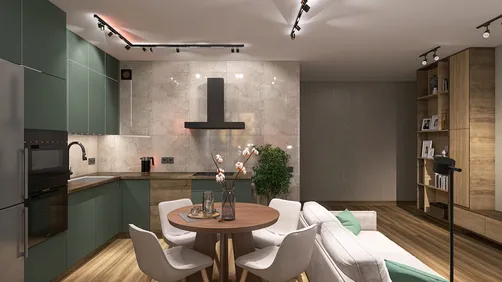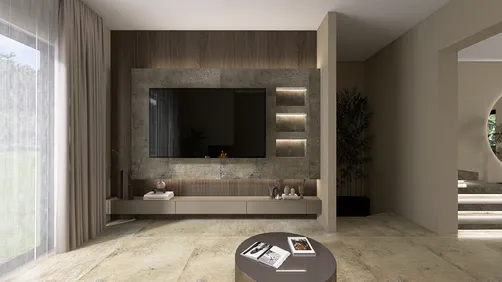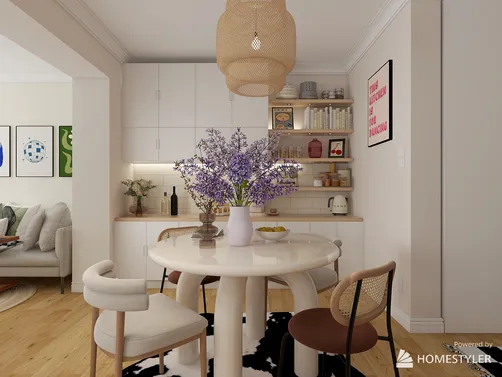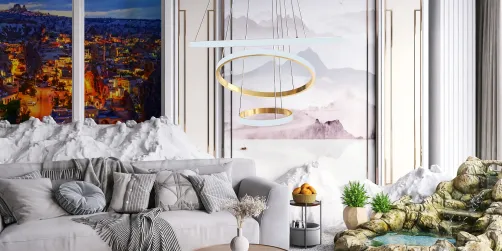
With over a decade of experience in interior design, I’ve observed that color trends fluctuate, yet the allure of a blue grey couch remains everlasting. In today’s design landscape, characterized by soothing hues and layered textures, the right color palette can transform small living rooms, making them feel more spacious and purposeful. I often find that confined areas spark significant creativity, and in this article, I’ll present 10 innovative living room ideas that showcase a blue grey couch, blending practical experience with professional insights, including the use of tools like Homestyler for visual planning.
1. Minimalist Blue Grey with Light Neutrals
In my initial project with a blue grey couch in a compact urban apartment, pairing it with light neutral walls made the space feel airy and allowed the couch to become a focal point without overwhelming the decor.
Pros: Light neutrals harmonize beautifully with the cool tone of blue grey, providing a softer aesthetic and amplifying natural light throughout the room. As highlighted by Dulux Color Trends 2024, lighter shades can create an illusion of spaciousness in small living areas.
Cons: Beige or off-white can appear flat if not complemented with sufficient texture or layered lighting elements.
Tip: Incorporate woven throws and linen cushions for added warmth while maintaining a minimalist vibe. You can also utilize Homestyler to explore various layouts in minimalist living room design concepts.
2. Coastal-Inspired Accents
In a waterfront holiday home, I styled a blue grey couch with pale wood accents, instantly creating an inviting coastal atmosphere.
Pros: Coastal-inspired color palettes blend seamlessly with blue grey, evoking a serene holiday feel and visual tranquility.
Cons: Overemphasizing nautical themes can lead to a space that feels overly thematic rather than timeless.
Tip: Opt for subtle elements such as a driftwood coffee table or sandy beige rugs to maintain a cohesive look.
3. Industrial Loft Vibes
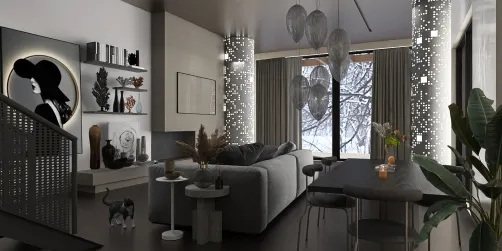
In a loft conversion, I paired a low-profile blue grey couch with exposed brick and matte black metal shelving, creating a striking contrast.
Pros: The cool hue of the couch beautifully complements warmer raw materials, creating an industrial aesthetic that feels lived-in rather than overly polished.
Cons: Insufficient soft elements can render the industrial theme somewhat stark and uninviting.
Tip: Introduce oversized plants to soften the aesthetic and create a more inviting atmosphere.
4. Layered Textures with Rugs & Throws
I often advise clients that using a textured approach—such as chunky knits, faux fur, and jute rugs—can elevate a simple blue grey sofa into a captivating center piece.
Pros: Added texture delivers warmth and visual richness, perfect for offsetting the cooler blue grey tones.
Cons: An excess of textures without a consistent color scheme can lead to a chaotic look.
Tip: Limit the combination to 3–4 complementary textures to maintain harmony.
5. Pops of Mustard or Burnt Orange
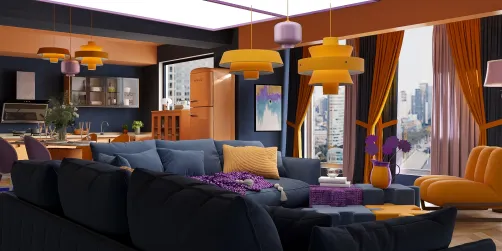
For a bold client last year, I incorporated mustard velvet cushions into her blue grey couch setup—this quickly energized the space while maintaining elegance.
Pros: Warm accent shades can infuse richness and dynamism into the blue grey palette.
Cons: Bright accents require careful balancing; too many can overwhelm the design.
Tip: Limit vivid colors to small decorative elements like cushions or vases for a balanced look.
6. Glass Coffee Table for Airiness
In a particularly small living room, using glass furnishings helped create an open feel while showcasing the plush blue grey couch.
Pros: Glass promotes light flow and keeps the environment visually accessible, an excellent match for mid-century modern styles.
Cons: Glass surfaces require regular maintenance as fingerprints and dust can be easily visible.
Tip: Choose rounded glass table designs to soften edges and explore how glass accents can maintain an airy layout.
7. L-Shaped Couch to Maximize Corners
A small family area greatly benefited from an L-shaped blue grey couch, providing more seating options without obstructing pathways.
Pros: Ideal for defining open-plan spaces and effectively utilizing corner spots.
Cons: In tighter spaces, it can dominate the room, so careful measurement is essential.
Tip: Opt for designs with slim arms and elevated legs to keep the appearance light and open.
8. Pairing with Statement Artwork
I curated a stunning abstract canvas featuring slate and navy tones above my client's couch, drawing the eye upwards and providing a sense of height to the room.
Pros: A statement piece of art adds personality and helps to equilibrate the couch's tone.
Cons: Selecting the wrong artwork size can distort the room’s proportions.
Tip: For a standard three-seater couch, aim for art that spans roughly two-thirds of its width.
9. Wooden Accents for Warmth
In one of my coziest projects, mid-tone oak shelving next to a blue grey couch introduced warmth, softening the cooler color palette.
Pros: Wood adds a natural warmth and texture, grounding the cooler tones effectively.
Cons: An overabundance of dark wood can lead to a heavy atmosphere.
Tip: Using walnut or light oak can create stunning contrasts; check out examples of wood and blue grey combinations for further inspiration.
10. Layered Lighting Plan
I’ve found that the atmosphere in a blue grey living room transforms dramatically with the combination of floor lamps, sconces, and overhead lighting.
Pros: A layered lighting strategy creates depth and ambiance; warm bulbs effectively offset the cooler tones of the couch.
Cons: Poorly positioned lights can leave unwanted shadowy areas, disrupting the room’s overall feel.
Tip: Utilize dimmers for flexibility and complement with reflective surfaces to enhance the light.
Summary
A blue grey couch opens up a world of inventive design possibilities—not limiting but encouraging thoughtful, creative choices. From minimalist settings to rich accent colors, these suggestions highlight the versatility of this furniture piece. As highlighted by Architectural Digest, the key to achieving harmony in smaller spaces is balancing cool tones with warm or textured elements. Which of these ideas would you explore first, possibly using Homestyler to visualize your choices?
FAQ
Q1: Is a blue grey couch suitable for a small living room?
A: Absolutely, its neutral-cool tone can create an illusion of space when paired with lighter walls and layered lighting.
Q2: What colors work well with a blue grey couch?
A: Neutrals, as well as warmer tones like mustard and natural wood shades, are great companions for blue grey.
Q3: How can I warm up a blue grey couch?
A: Layer it with warm-toned cushions, throws, and incorporate wooden or brass accents to add softness.
Q4: Can I place a blue grey couch in a dim room?
A: Yes, but complement it with lighter decor, reflective materials, and effective lighting to maintain balance. Explore examples for further ideas.
Q5: What styles blend well with a blue grey couch?
A: Its versatility allows it to fit into minimalist, coastal, industrial, and Scandinavian designs.
Q6: How should I choose cushions for a blue grey couch?
A: Mix a variety of textures and contrasting colors; steer clear of excessive similar tones to avoid a flat appearance.
Q7: Are patterned rugs compatible with a blue grey couch?
A: Certainly, patterns can introduce depth, but ensure the color scheme aligns with the couch's tone for coherence.
Q8: What materials pair well with blue grey upholstery?
A: Wood, natural fibers, linen, velvet, and metallic accents effectively complement the cool hue.
Discover your dream home with Homestyler! This user-friendly online design platform offers an intuitive design tool, stunning 3D renderings, and a wealth of DIY video tutorials. Whether you're a beginner or an expert, Homestyler empowers you to create beautiful spaces effortlessly. Start designing today!