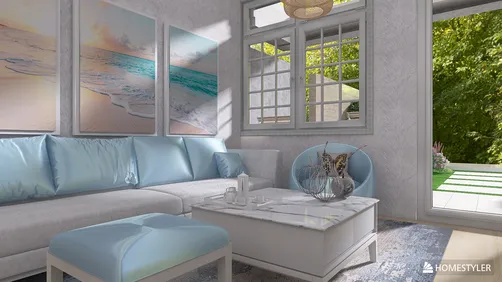


Throughout my decade-long career in interior design, I've observed that modern trends such as open-plan living and multifunctional furniture have dramatically altered the configurations of living rooms. My experience has shown me that even within small areas, creativity can flourish. In this article, I will present 10 effective furniture layout concepts—derived from my own design projects as well as established industry knowledge—that will help you optimize your space without compromising on style. One of my clients particularly enjoyed the minimalist sectional setup that opened up their narrow living room courtesy of the tools provided by Homestyler.
1. Symmetrical Sofa Facing Arrangement
Insight: In one of my projects, arranging two matching sofas to face one another resulted in a balanced layout conducive to conversation for a sociable family. This setup works excellently in both traditional and contemporary interiors.
Advantages: Facilitates smooth conversation flow, provides equal seating options, and is ideal for formal living spaces. The 2023 trend report from Houzz emphasizes that symmetrical arrangements continue to be favored in designs that are both elegant and functional.
Disadvantages: May appear too formal in casual environments; could limit options for TV placement.
Recommendation: Ensure a minimum of 3 feet between sofas to allow for easy movement.
2. L-Shaped Sectional for Open Spaces
Insight: Utilizing an L-shaped sectional subtly divides open layouts without obstructing sight lines. I applied this concept in a loft to tactfully designate the lounge area while maintaining an airy atmosphere.
Advantages: Maximizes seating in compact areas, naturally creates a corner for coffee tables, and is perfect for family movie nights.
Disadvantages: Limits flexibility for rearranging; can overwhelm smaller rooms.
Recommendation: Choose a low-profile back to enhance openness in the space.
3. Floating Furniture Away from Walls
Insight: In a long, narrow apartment, I floated the sofa towards the center and added a console table behind it for greater display options. This instantly made the area feel warmer and more layered. It's also a great opportunity to explore innovative floor plans with tools like Homestyler before making any decisions.
Advantages: Defines pathways, promotes a cozy atmosphere in large rooms, and allows for more creative lighting solutions.
Disadvantages: May necessitate additional cable management; can feel awkward in very confined spaces.
4. Corner Conversation Nook
Insight: Placing two armchairs at an angle in a corner creates an inviting nook. I tested this method in my own living space for enjoying morning coffee, and it was far more appealing than I expected.
Advantages: Transforms unused corners into practical areas; ideal for intimate gatherings.
Disadvantages: Limited seating for larger gatherings; requires adequate task lighting.
5. TV-Centered Layout with Swivel Chairs
Insight: For a family passionate about sports, I positioned a sofa facing the TV with two swivel chairs on either side. This setup ensured everyone had a great view while maintaining a social environment.
Advantages: Offers flexible viewing angles and keeps the space interactive.
Disadvantages: Swivel chairs can incur higher costs and may require additional floor space.
6. Diverse Seating Styles
Insight: Mixing a loveseat with various armchairs and an ottoman cultivates an eclectic atmosphere. I appreciate how this approach prevents a space from feeling too homogenized.
Advantages: Infuses personality into the space and adapts well to uniquely shaped rooms.
Disadvantages: Can lead to visual clutter if styles clash.
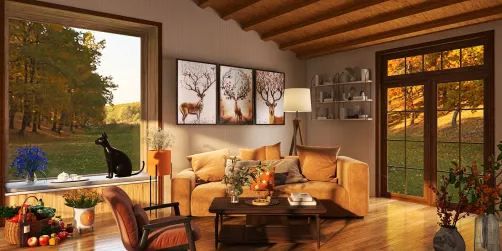
7. Window-Focused Seating Arrangement
Insight: Arranging seating to overlook a beautiful garden view can become the room's natural focal point. I executed this for a client whose expansive windows framed a park view—minimal wall art was necessary.
Advantages: Increases natural light, contributes to a serene atmosphere supported by biophilic design studies.
Disadvantages: May result in glare on screens; requires suitable window treatments.
8. Zoned Multi-Functional Areas
Insight: In a compact condo, I divided the living room into a lounge and a designated workspace—a practical solution for remote workers. A strategically placed rug marked the boundary effectively.
Advantages: Maximizes usage and adapts to changing lifestyles.
Disadvantages: Could reduce overall seating capacity.
9. Fireplaces as Central Features
Insight: Positioning seating around a fireplace creates a warm, inviting atmosphere. I recently redesigned a winter retreat with this hearth arrangement, dramatically shifting the room's energy.
Advantages: Instills a cozy vibe; works well with various design styles, both traditional and modern.
Disadvantages: Seasonal relevance might diminish in warmer climates.
10. Minimalist Arrangement with Open Flow
Insight: Simplifying a room to just the essentials—a streamlined sofa, an armchair, and a sleek coffee table—imparted a sense of peace to a client's apartment, resembling a calming gallery.
Advantages: Creates a perception of spaciousness, simplifies cleaning, and aligns with the increasing trend towards minimalism.
Disadvantages: May not cater well to those who enjoy hosting large gatherings; could lack adequate storage solutions.
Conclusion
From my perspective, a living room—regardless of size—encompasses the idea of designing with intelligence rather than limitations. Whether you opt for symmetrical interaction or a zoned versatile plan, your layout acts as a silent storyteller that shapes comfort, functionality, and aesthetics. According to the American Society of Interior Designers, a well-thought-out furniture arrangement can boost perceived space by up to 30%. Which of these 10 innovative living room furniture layout concepts do you wish to experiment with?
FAQ
1. What layout works best for small living rooms?
Focus on adaptable furniture and ensure natural light flows unhindered. Using an L-shaped sectional or a loveseat paired with side chairs can be highly effective.
2. What’s the best way to arrange furniture in my living room?
Begin by identifying the room’s focal point—be it a TV, fireplace, or view. Then, position seating to complement that centerpiece with attention to traffic flow.
3. Can furniture floating work in limited spaces?
Absolutely, if implemented mindfully with slim-profile pieces. Elle Decor states that this strategy can invigorate the area.
4. What’s the ideal distance between my sofa and the TV?
For a 55-inch television, aim for a distance of about 7 feet. Adjust based on the actual screen size and resolution.
5. How can I make my living room layout more adaptable?
Incorporate lightweight chairs, nesting tables, and consider placing casters under your furniture for effortless rearrangements.
6. Must all my living room furniture match?
Not at all—mixing styles contributes to a curated, personal look. Just ensure balance through shared colors or materials.
7. How can I design a living room without a focal point?
Establish one by arranging around a rug, coffee table, or an artwork wall. You can visualize various options with tools like a custom layout mockup from Homestyler.
8. What's the most common error in living room layouts?
Pushing all furniture against the walls is a typical mistake. Even in smaller spaces, allowing for some breathing room improves flow and functionality.
Homestyler is your go-to online home design platform, perfect for anyone looking to transform their space. With an easy-to-use design tool, stunning 3D renderings, inspiring design projects, and helpful DIY video tutorials, you’ll find everything you need to create your dream home with confidence!