In recent times, trends in living room design have shifted towards sleek lines, adaptable layouts, and an emphasis on maximizing natural light. Personally, I've observed that even the smallest spaces, like living rooms, can ignite the most innovative ideas. Selecting the appropriate door is not merely about practicality; it can also serve as a significant design highlight. In this article, I will present ten door concepts for living rooms that I've incorporated into my projects, blending personal insights with reliable design analytics, while also exploring how tools like Homestyler can enhance your design process.
1. Contemporary Sliding Barn Doors
My Experience: I once fitted a sleek black-framed barn door for a client pursuing a rustic yet modern aesthetic—it quickly became the centerpiece of the room.
Advantages: Maximizes floor space, adds an attractive visual element, and pairs well with modern farmhouse interiors. Excellent for small living rooms that require versatile privacy options.
Disadvantages: Needs adequate wall space for the track and may not provide sound insulation like a solid hinged door would.
Tip: Complement with matte black handles to achieve a cohesive design, similar to industrial-inspired looks I’ve created where space efficiency was essential.
2. Glass French Doors to Enhance Natural Illumination
My Experience: After swapping a solid door for glass-pane French doors in my apartment, the living room instantly felt airier and more open.
Advantages: Promotes openness, facilitates natural light flow, and connects rooms visually while maintaining defined spaces.
Disadvantages: Offers limited privacy; frosted or patterned glass may be necessary for greater discretion.
Case Study: Research from Architectural Digest suggests that glass doors can enhance perceived space by up to 30% in smaller dwellings.
3. Pocket Doors for Ultimate Space Optimization
My Experience: I enjoy integrating pocket doors in narrow living rooms—they slide into the wall, creating an unobstructed flow.
Advantages: Fully eliminates door swing issues, ideal for compact layouts, and promotes a sleek, modern aesthetic.
Disadvantages: Can be more expensive to install during renovations, and retrofitting into existing walls can be challenging.
Tip: Opt for solid core variants to ensure better sound insulation.
4. Bi-Fold Doors for Adaptable Room Separation
My Experience: While working on a loft design, I included folding doors that separated the living space from the kitchen, providing versatility for gatherings.
Advantages: Allows for adaptable use, introduces visual texture, and can either be fully opened or closed as needed.
Disadvantages: Requires maintenance for the track and may not provide a tight seal against sound.
Tip: Choose lightweight composite materials for smoother operation.
5. Metal-Framed Glass Panels for an Industrial Touch
My Experience: I'm particularly fond of steel-framed glass panels—they convey a timeless, bold loft atmosphere.
Advantages: Defines areas without obstructing sightlines, adds an industrial charm, and enhances resale value.
Disadvantages: Installation can be heavy-duty and may require ongoing maintenance to prevent rust.
Tip: Applying powder coatings can significantly extend their lifespan and improve their aesthetic appeal.
6. Arched Double Doors for a Dramatic Entrance
My Experience: These doors make a striking statement in traditional or Mediterranean settings—one client described the entrance as ‘stepping into a postcard.’
Advantages: Introduces architectural elegance, beautifully frames views, and enhances the perception of ceiling height.
Disadvantages: Requires ample wall width and could be costly if custom-made.
Case Note: The NAHB indicates that architectural features like arches can elevate property value perceptions by as much as 7%.
I paired them with warm wood tones to create an inviting atmosphere.
7. Simplistic Flush Doors
My Experience: Often, the best door is one that blends in seamlessly. A smooth, handle-free flush design creates a cohesive living area.
Advantages: Ideal for minimalist styles, easy to paint or design to match the wall, thereby minimizing visual clutter.
Disadvantages: May lack character compared to more decorative options.
Tip: Incorporate push-to-open mechanisms for a fully flush appearance.
8. Vibrantly Painted Accent Doors
My Experience: In neutral-themed living rooms, I often introduce character by using a door in a striking hue—deep teal and mustard yellow are my personal favorites.
Advantages: An economical design upgrade, ideal for renters, instantly revitalizes the ambiance.
Disadvantages: May clash with surrounding decor if not chosen carefully; necessitates repainting occasionally.
Tip: Opt for paint with a satin finish for easier cleaning and maintenance.
9. Ornately Carved Wooden Doors
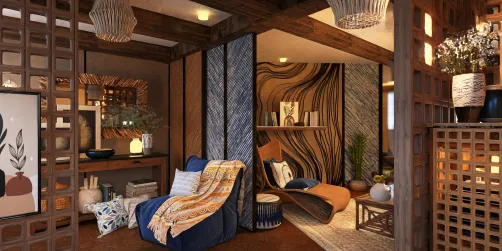
My Experience: In a bohemian or culturally inspired living room, carved wooden doors provide a narrative element to the space.
Advantages: Showcases unique craftsmanship, adds rich texture, and possesses enduring charm.
Disadvantages: Can be heavy and pricey; must be cleaned gently to preserve intricate details.
Tip: These doors complement open-plan designs that allow for more prominent art or furniture displays.
10. Shoji-Style Sliding Panels
My Experience: Drawing inspiration from Japanese design, I've applied Shoji panels to infuse softness and diffused light into living rooms.
Advantages: Lightweight, allows gentle light while offering privacy, and fosters a serene atmosphere.
Disadvantages: Delicate paper screens aren't suitable for homes with pets or young children.
Tip: Select synthetic rice paper for increased durability and effortless care.
Conclusion
Regardless of size, your living room can greatly benefit from a door choice that harmonizes style with function. As design researcher Sally Augustin points out, intentional architectural features influence our emotions and interactions within a space. Remember, a compact living area does not restrict your potential; rather, it encourages you to design more intelligently. Which of these innovative living room door ideas, possibly enhanced by tools like Homestyler, would you like to incorporate into your own home?
FAQ
1. Which door types are most suitable for compact living rooms? Sliding doors, pocket doors, and glass-pane doors are optimal for conserving space while keeping the area bright.
2. How can I make my living room door a statement feature? Utilize bold colors, distinctive materials, or striking hardware to draw attention.
3. Are French doors efficient in terms of energy? Contemporary double-glazed French doors provide effective insulation—always review U-factor ratings in line with Energy Star guidelines.
4. Is it possible to add a pocket door without major renovations? It can be complex—typically requiring wall adjustments. Alternatively, surface-mounted sliding doors are often simpler to install.
5. Which door style enhances property value the most? The NAHB notes that distinct architectural elements such as arches or custom designs tend to increase perceived value.
6. Are Shoji doors practical for everyday use? Yes, provided you select durable modern materials; traditional rice paper variants are usually more fragile.
7. How should I maintain a wooden living room door? Regularly dust intricate carvings and apply furniture wax seasonally to prevent drying.
8. What’s an economical upgrade for a dull door? A fresh application of bold satin-finish paint serves as an easy and affordable transformation anyone can achieve.
Discover the joy of home design with Homestyler! This user-friendly online platform boasts an intuitive design tool, stunning 3D renderings, and a wealth of DIY video tutorials. Transform your ideas into reality effortlessly, whether you're redecorating a room or starting from scratch.