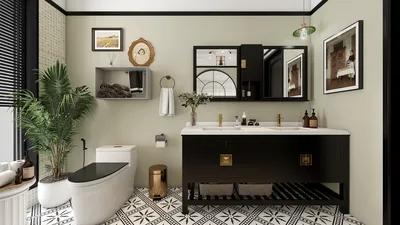
With over a decade of experience in the realm of interior design, I've observed a remarkable truth: even the tiniest décor elements can create a significant impact. Currently, wall clocks are experiencing a resurgence, not merely for their time-telling capabilities but as striking focal points in living rooms. Even in a compact space, the potential for creativity is boundless. In this article, I will present 10 innovative clock ideas for your living room, combining my personal design experiences with current trends.
Minimalist Oversized Clock
My Insight: I once worked with a couple who appreciated a sleek, modern aesthetic. We decided on a chic, oversized clock featuring clean lines, which quickly became the centerpiece hanging above their sofa.
Benefits: This choice creates a bold focal point without adding clutter, making it ideal for smaller living rooms and harmonizing with neutral-designed palettes. As noted by Elle Décor, a singular statement piece can visually ground a space.
Drawbacks: It may overwhelm a petite wall; not the best option for those who favor subtler décor.
Advice: Keep adjacent artwork minimal to ensure the clock feels intentional rather than random.
Rustic Wooden Wall Clock
My Insight: While redesigning a countryside home, I selected a reclaimed oak clock adorned with wrought iron elements, infusing warmth and texture into the room.
Benefits: This clock introduces organic charm and warmth, complementing rustic elements like exposed beams or leather furnishings beautifully.
Drawbacks: It may appear out of place in ultra-modern environments.
Advice: Strive for a balance by pairing rustic elements with contemporary seating for a transitional look, akin to how wooden accents can warm up a space.
Metallic Industrial Clock
My Insight: For a loft project, I installed a large gear-style clock in brushed steel — it truly captured my client's love for industrial aesthetics.
Benefits: This clock is both durable and visually striking, aligning perfectly with urban and industrial themes.
Drawbacks: Its design might feel too cold or sterile in more inviting family spaces.
Advice: Combine it with warm textiles to create a more inviting atmosphere.
Gallery Wall Clock Integration
My Insight: I have effectively integrated clocks into gallery walls, utilizing them as part of the ‘artwork’ ensemble. This strategy works exceptionally well in eclectic designs.
Benefits: This approach allows for personal expression, seamlessly combining functional and decorative aspects.
Drawbacks: It risks appearing chaotic if the frame styles do not complement one another.
Advice: Stick to a unified color palette for the frames to maintain a cohesive look.
Modern Digital Wall Clock
My Insight: In a tech-forward home, I chose a sleek LED display clock that served as both a timekeeper and a night light.
Benefits: Ideal for minimalists and tech enthusiasts; this option is easily readable from a distance.
Drawbacks: It might lack the warmth associated with traditional analog designs.
Advice: Opt for one with adjustable brightness to match different moods, similar to adaptable lighting designs for living rooms.
Statement Color Pop Clock
My Insight: In a monochromatic space, I introduced a vivid yellow clock that captivated the owner's attention and became a focal point.
Benefits: This choice infuses vibrancy and establishes an artistic centerpiece.
Drawbacks: It can clash with other bold decorative choices in the room.
Advice: Echo the yellow in smaller elements, like cushions, for a cohesive look.
Mid-Century Modern Clock
My Insight: I have a fondness for sunburst designs; I placed one in a retro-themed apartment which harmonized the entire design.
Benefits: This style is timeless and fits seamlessly in both vintage and modern designs.
Drawbacks: Some replicas may come across as overly kitschy if not well-crafted.
Advice: Invest in high-quality materials for authentic appeal.
Frameless Floating Clock
My Insight: In a compact living room, I opted for a frameless clock with adhesive numbers — it helped keep the space feeling open and airy.
Benefits: Its space-saving design creates an illusion of spaciousness.
Drawbacks: Installation demands precision to achieve symmetry.
Advice: Use a measuring tape template for accurate placement, similar to meticulous layout planning in functional kitchens.
Art-Inspired Clock
My Insight: I discovered a hand-painted ceramic clock crafted by a local artist — it transformed into more than just a timepiece; it initiated conversations.
Benefits: This clock is unique and artistic, supporting local creators and adding cultural value to the décor.
Drawbacks: It may be more fragile and could be challenging to coordinate with future redecorating efforts.
Advice: Position it away from high-traffic areas to prevent damage.
Dual-Time Zone Clock
My Insight: For clients with relatives abroad, I installed a dual-dial clock indicating two different time zones — it's practical and evokes emotional connections.
Benefits: It caters to globally minded families and can spark fascinating conversations.
Drawbacks: Style options can be limited compared to single dial clocks.
Advice: Select models where both dials maintain a cohesive design aesthetic.
Conclusion
A compact living room presents not as a limitation but as an opportunity for intelligent design, particularly in selecting a clock that doubles as an art piece. Better Homes & Gardens frequently emphasize that these personalized details transform a living area into a home. Out of these 10 ideas, which clock do you envision adding to your space? And don’t forget to utilize design tools like Homestyler to visualize these styles in your own home before making a decision!
FAQ
1. What size clock is ideal for a small living room? Aim for a clock between 12–24 inches in diameter; it should be noticeable without being overwhelming.
2. Are oversized clocks still fashionable? Yes — when set against minimalist decor, oversized clocks continue to be bold and trendy.
3. Is it acceptable to have multiple clocks in my living room? Absolutely; consider a dual-time zone clock for functionality paired with style without cluttering the area.
4. What materials are best for durable living room clocks? Opt for wood, metal, and high-quality composites since these materials provide both durability and style, according to Architectural Digest.
5. How should I hang my wall clock? Position it at eye level from the main seating for optimal visibility and balance.
6. Can digital clocks fit within living room designs? Certainly, especially in contemporary or minimalist spaces where clean aesthetics are favored.
7. Can a clock serve as a piece of art in my living room? Definitely — an art-inspired clock can functionally and aesthetically contribute to the decor.
8. How do I integrate my clock with my existing style? Seek complementary materials or colors that harmonize with your current design theme, and consider using Homestyler for AI-assisted design matching inspiration.
Homestyler is your go-to online home design platform! With its user-friendly design tool, stunning 3D renderings, and a wealth of DIY video tutorials, you can effortlessly create and visualize your dream spaces. Transform your home with creativity and ease!