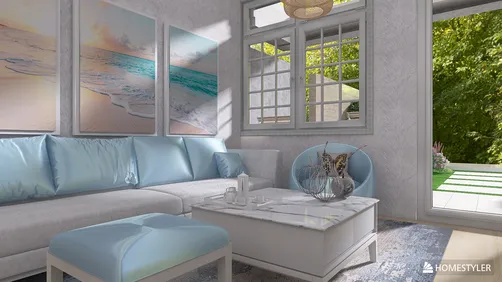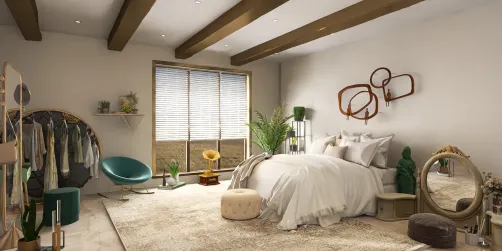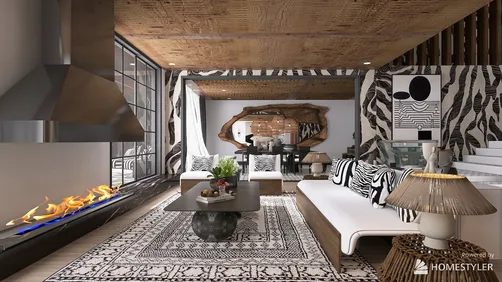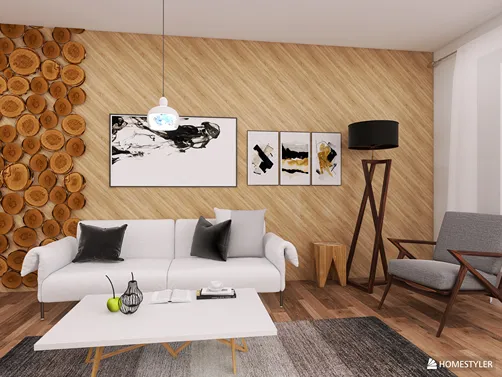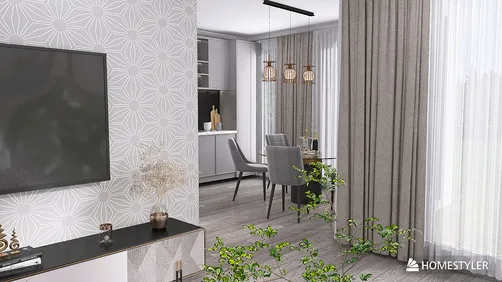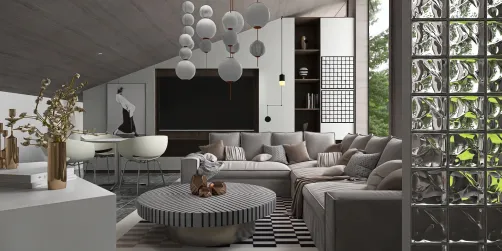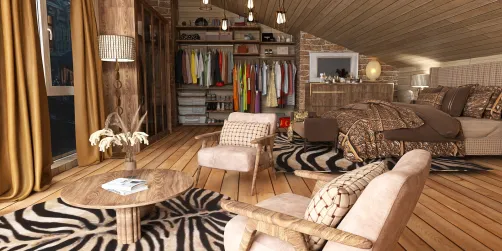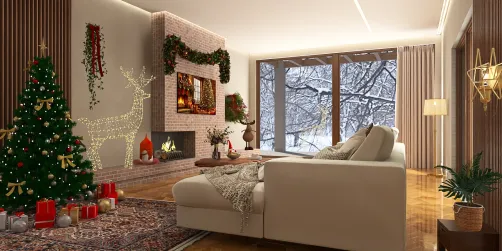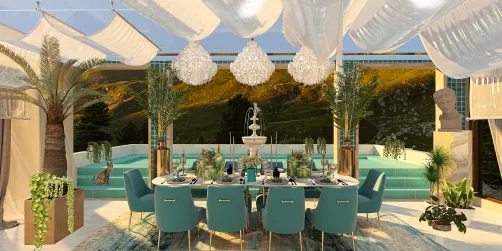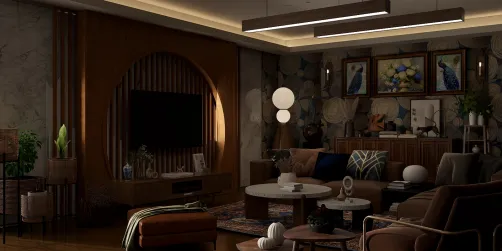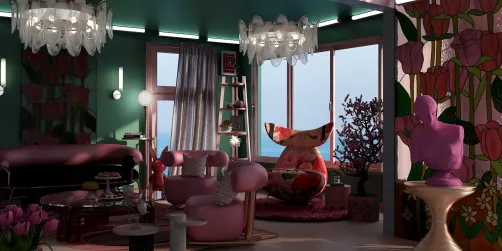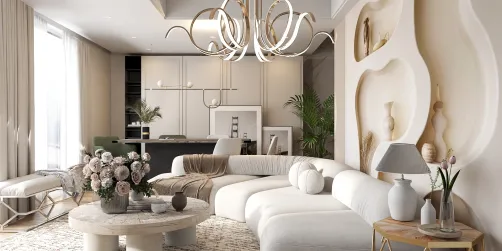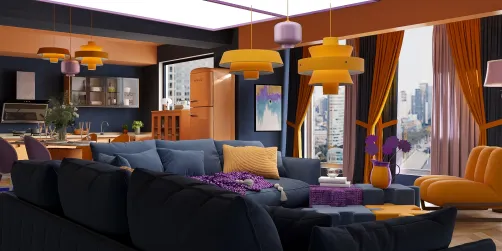
With over ten years of experience in design, I have witnessed a transformation in living room ceiling lights from mere utility to captivating focal points. Today, ceiling lighting serves not only to illuminate but also to express one's style and influence mood. I firmly believe that even small spaces can inspire the grandest ideas. In this article, I'll present 10 innovative living room ceiling lighting ideas that I've personally implemented or suggested, merging my expertise with industry insights. Some of these have significantly altered my clients' perceptions of their spaces with just one installation.
1. Sleek Flush Mount Fixtures
My Experience: In one of my downtown studio redesigns, a streamlined flush mount light immediately made the room feel more spacious. It transformed the tight apartment vibe into a serene, open loft ambiance.
Advantages: Ideal for rooms with low ceilings; enhances contemporary interiors; boosts brightness by evenly distributing light throughout the space.
Disadvantages: May appear plain in spaces with elaborate decor; limited flexibility in directing light.
Pro Tip: Combine with matte white walls to maximize the light's effectiveness.
2. Eye-Catching Chandeliers
My Experience: I once installed a mid-century chandelier in a client's living area—the result was transformative, quickly turning their home into the go-to spot for social gatherings, as the ceiling became a canvas for art.
Advantages: Infuses character; serves as a striking centerpiece; complements rooms with high ceilings.
Disadvantages: Not suitable for small or low-ceilinged areas; may necessitate professional installation due to weight considerations.
Applying minimalist kitchen storage principles can also work here—consider strategic placements for visual balance.
3. Recessed LED Lights
My Experience: For a couple who loved hosting movie nights, I installed dimmable recessed LED lights. We could easily transition from bright, lively settings to a cozy cinema-like atmosphere in moments.
Advantages: Sleek, modern appearance; adjustable brightness; energy-efficient with long-lasting LEDs.
Disadvantages: May require ceiling cutting and intricate wiring; can feel stark without the addition of other light sources.
Reminder: Always assess the ceiling depth prior to selecting recessed lighting fixtures.
4. Adjustable Track Lighting
My Experience: This option is my favorite for living rooms that double as art displays; I’ve utilized it to highlight paintings and architectural features.
Advantages: Precisely directs light where needed; offers a versatile design; ideal for creating specific lighting zones.
Disadvantages: The industrial appearance might clash with classic decor styles; tracks can collect dust quite easily.
A glass backsplash in kitchens can create a similar airy visual effect, enhancing the space much like track lights do in living areas.
5. Cove Lighting for an Ambient Effect
My Experience: In one small apartment, cove lighting was used to soften the corners, making the walls feel as though they receded—an impressive spatial illusion.
Advantages: Generates a soothing atmosphere; conceals light sources; adds a sense of height to ceilings.
Disadvantages: Installation can be intricate; not intended for task lighting purposes.
6. Multilayered Lighting with Various Fixtures
My Experience: In a project, we combined central pendants, wall sconces, and floor lamps, instantly enhancing the space’s dynamism and balance.
Advantages: Provides versatility; augments the functionality of the living room; supports varying moods effectively.
Disadvantages: Requires careful planning and budget management; risk of visual chaos if not properly coordinated.
7. Skylights or Ceiling Windows
My Experience: For a client with rooftop access, I recommended a skylight. The natural morning light now fills their living room beautifully.
Advantages: Maximizes natural daylight; contributes to energy savings; offers mood-enhancing benefits as noted by Harvard Health.
Disadvantages: High installation expenses; potential for seasonal heat gain or loss.
8. Pendant Light Clusters
My Experience: I enjoy creating pendant clusters above coffee tables as it provides a trendy café atmosphere while retaining a homely touch.
Advantages: Introduces sculptural appeal; customizable heights; suitable for both compact and expansive spaces.
Disadvantages: Requires careful proportioning; an excess may overwhelm smaller areas.
An L-shaped kitchen layout optimizing counter space serves as a similar effective space strategy in kitchen design.
9. Ceiling Fans with Built-In Lighting
My Experience: In warmer climates, combining illumination with air circulation proves to be exceptionally functional; I implemented this in a coastal home, and it quickly became a favored fixture.
Advantages: Dual-purpose functionality; can decrease cooling expenses; wide array of styles available.
Disadvantages: Requires adequate ceiling height; airflow may disrupt lightweight decorative items.
10. Smart RGB Lighting Solutions
My Experience: A young couple I collaborated with transformed their living room into a color-changing haven for gaming and festivities.
Advantages: Fully customizable hues; controlled via app or voice; can craft extraordinary atmospheres.
Disadvantages: May seem gimmicky if overused; certain models necessitate regular software updates.
Conclusion
Small living rooms shouldn't be viewed as limitations, but rather as opportunities for creative thinking. Lighting plays an essential role in both aesthetics and usability. As noted by Architectural Digest, properly designed ceiling lighting can shape the identity of an entire room. Which of these living room ceiling lighting ideas will you consider implementing first?
FAQ
Q1: What is the most energy-efficient ceiling lighting option for living rooms?
Recessed and flush mount LED fixtures provide remarkable energy efficiency and longevity, as per the U.S. Department of Energy.
Q2: How do I determine the appropriate chandelier size for my living room?
Typically, add the room’s length and width in feet to derive the chandelier’s diameter in inches.
Q3: Is it advisable to mix various lighting styles?
Absolutely—layering ceiling, wall, and floor lights can enrich depth and adaptability in your living room arrangement.
Q4: Are smart ceiling lights a wise investment?
If you prioritize flexible color variations, brightness control, and easy management, smart lights can significantly enhance convenience and atmosphere.
Q5: What ceiling lighting is optimal for spaces with low ceilings?
Flush mounts or recessed lighting maintain an open feel in such spaces.
Q6: Can chandeliers work effectively in smaller living rooms?
Yes, provided you select smaller designs and install them higher to avoid overcrowding the area.
Q7: What are the cost implications of cove lighting?
DIY LED strip versions may start at below $100, while custom integrated options can run into several hundreds of dollars.
Q8: Is track lighting dimmable?
Indeed, track lighting can be dimmed with appropriate dimmers, allowing you to achieve both bright task lighting and softer ambient effects.
Homestyler is your go-to online platform for home design! With its user-friendly design tool, stunning 3D renderings, and a wealth of inspiring design projects and video tutorials, you'll effortlessly transform your space into a dream home. Start creating today!