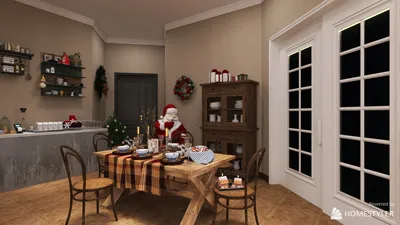


Last year, a client presented me with a unique challenge: design a kitchen where every utensil must be reachable within just five seconds. Initially, I chuckled at the notion, but as I began sketching out ideas, I recognized that this was an excellent opportunity to transform a small space into a highly efficient cooking area. Compact kitchens compel creative thinking; they don’t tolerate clutter but instead reward thoughtfully arranged layouts. Today, I’m excited to share ten innovative strategies I have implemented in various projects that will redefine how you store your utensils, whether you are a daily chef or just whip up meals on weekends. Some of these techniques are the result of extensive trial and a memorable pasta night. For instance, during one remodel, I sourced custom drawers from an international supplier, though if you're not ready for that step, tools like Homestyler can help you plan every detail effectively.
1: Vertical Wall Rails
Installing a robust metal rail on your backsplash resembles creating a living art gallery — where your spatula and ladle take center stage. This method liberates drawer space and places utensils conveniently at your fingertips. However, remember that since everything is displayed, maintaining tidiness is essential.
2: Drawer Dividers
Without dividers, drawers tend to become a chaotic mess. Utilizing adjustable bamboo inserts ensures that all your utensils are both visible and orderly. A personal tip: measure your largest tool before purchasing dividers to avoid having your whisk awkwardly positioned at an angle forever.
3: Overhead Pot Rack with Hooks
If you have some overhead space, a hanging rack can be an excellent solution for storing both cookware and larger utensils. It makes a striking visual impact but can also accumulate dust if you seldom utilize the items up there. Don't forget to clean it regularly! Regarding the vertical space, a digital tool like a free floor plan creator can help assess sight lines and necessary heights.
4: Magnetic Strips
These are not just for knives; I’ve successfully attached one to the inside of a pantry door for metallic whisks and tongs. There’s a delightful satisfaction in the 'click' when you return an item to its place, although do keep in mind that they are not suitable for plastic or wooden-handled utensils.
5: Rotating Caddy
A lazy Susan placed strategically near your stove can keep essential tools within a quick spin’s reach. They are fantastic for cooking areas, but be aware they can occupy counter space, making them best suited for larger surfaces or kitchen islands.
6: Pull-Out Cabinets
Commonly referred to as skinny pantries, these are invaluable in narrow kitchens. I’ve constructed them to be as slim as six inches wide to store long-handled utensils vertically. While they do require custom carpentry work, their efficiency is unparalleled.
7: Inside-Cabinet Hooks
Attach a few adhesive hooks inside your cabinet doors — it’s an affordable, rapid solution that’s also tenant-friendly. Just remember to choose hooks strong enough to support the weight of heavier utensils without peeling off over time.
8: Tiered Countertop Organizers
These are akin to spice racks but designed for your scoops and spatulas. They allow you to store more in tight spaces by utilizing vertical height. Just make sure that they do not tempt you into stocking up on gadgets you hardly use.
9: Custom Drawer Inserts
For clients who are serious about cooking, I frequently design custom inserts tailored to their specific utensil collections. It’s analogous to having a velvet-lined jewelry box for your cooking tools. The only downside is that they are less adaptable if you decide to add new utensils later on.
10: Hidden Counter Compartments
I enjoy creating flip-up sections in countertops that conceal a utensil bin — this method keeps your surfaces uncluttered while ensuring everything is easily accessible. If you’re considering such a feature, testing your ideas in a virtual kitchen layout planner, like Homestyler, before involving a contractor is highly advisable.
FAQ
Q1: What is the best method for storing utensils in a compact kitchen?
A1: Implement vertical storage solutions like wall rails or inside-cabinet hooks to optimize drawer and counter space.
Q2: How can I maintain the organization of kitchen utensils over time?
A2: Designate a ‘home’ for each utensil and conduct a quick weekly organization routine. This habit is more effective than reliance on any storage solution.
Q3: Are magnetic strips a safe storage option for knives?
A3: Absolutely, provided the magnets are strong, and you slide knives sideways instead of pulling them directly to prevent dulling the edges (source: American Culinary Federation).
Q4: How can I organize utensils on a budget?
A4: Consider using adhesive hooks, repurposed jars, or transforming a flower pot into a utensil holder.
Q5: What’s the simplest option for renters?
A5: Adhesive or over-the-door hooks work excellently and can be removed without causing any damage.
Q6: How do I minimize clutter while organizing?
A6: Be selective — retain only utensils you use at least once a month and donate those that you don’t.
Q7: Should utensils be stored close to the stove?
A7: Yes, for tools used regularly, but keep plastic handles away from direct heat sources.
Q8: Is it worthwhile to invest in custom drawers?
A8: If you cook frequently and have a permanent setup, investing in custom inserts can vastly improve both efficiency and aesthetic appeal in your kitchen.
Homestyler is an amazing online platform for home design enthusiasts. With its user-friendly design tool, stunning 3D renderings, and a wealth of DIY video tutorials, you can effortlessly visualize and create your dream space. Transform your ideas into reality today with Homestyler!
Diseño ahora GRATIS
































