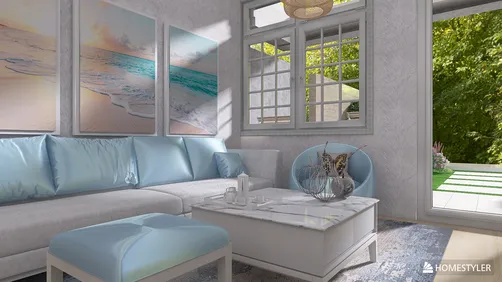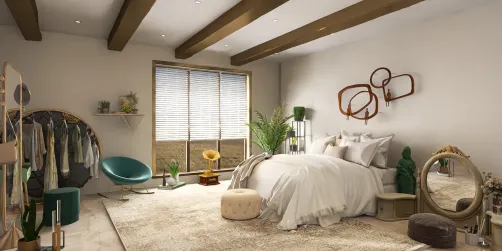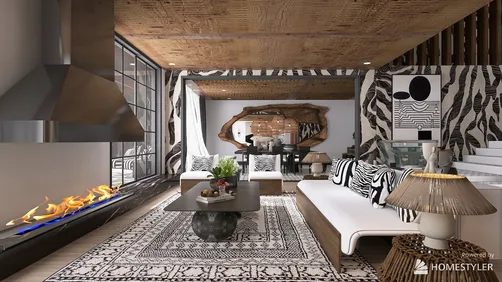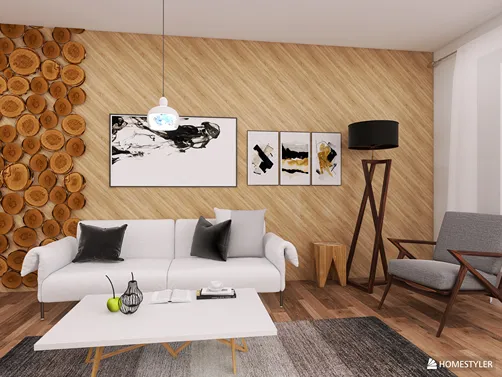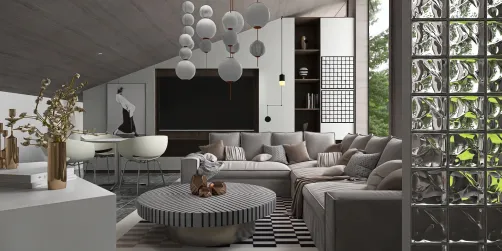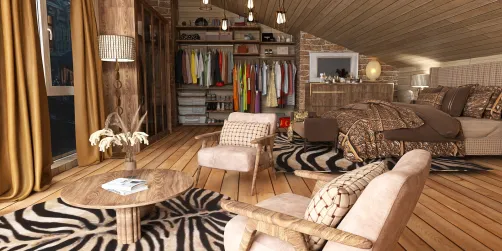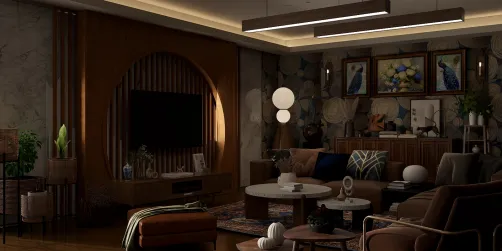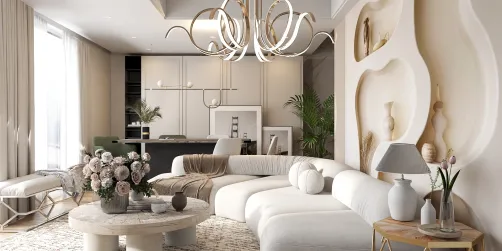
In the last few years, the trend in interior design has increasingly favored multifunctional furniture, particularly in compact homes and apartments where every square foot is valuable. From my own experiences, I've noted how introducing a daybed into the living room can significantly alter both the atmosphere and functionality of the space. Small areas inspire immense creativity, and in this article, I will present 10 innovative daybed ideas that I gathered from my projects alongside insights from industry experts, featuring the Homestyler platform.
1. Minimalist Linen Upholstery
Personal Insight: I once designed a cozy studio where a daybed with low-profile linen upholstery functioned seamlessly as both a sofa and an additional sleeping area, harmonizing perfectly with the light color scheme.
Advantages: This style is easy to accessorize with various pillows, and the natural textile contributes to an open and airy environment. Minimalist linen upholstery is in line with the current trend towards soft-neutral interiors, as highlighted by publications like Elle Decor.
Drawbacks: Linen tends to wrinkle easily and can stain if not properly cared for, necessitating regular upkeep.
Suggestion: Opt for removable covers that allow for seasonal washing or swapping.
2. Built-in Storage Drawers
My Perspective: One client had an excess of board games and blankets; consequently, we created a daybed incorporated with deep under-seat storage, which helped maintain a clutter-free living environment.
Advantages: This design enhances space efficiency while keeping essentials easily accessible—ideal for compact living spaces. Utilizing an efficient design with storage makes a noticeable difference in organizing your layout.
Drawbacks: The added weight of built-in storage can complicate the rearranging of the daybed once it’s set up.
3. Rattan Frame for a Natural Look
From My Experience: In my own space, a stylish rattan daybed effortlessly warmed the room and harmonized with my indoor greenery.
Advantages: This frame adds texture and warmth, complementing various styles such as bohemian, coastal, or Japandi designs. The open structure contributes to an airy appearance.
Drawbacks: Rattan requires regular dusting and may dry out if exposed to neglect; it’s not ideal for highly active homes or those with pets.
4. Convertible Daybed with Trundle
Personal Experience: My convertible trundle daybed has proven invaluable for accommodating unexpected guests.
Advantages: It offers a quick shift from seating to a sleeping arrangement—perfect for versatile rooms and holiday gatherings. According to Good Housekeeping, dual-use furniture is among the top choices for renters in 2024.
Drawbacks: When fully extended, it occupies more floor space, which isn’t suitable for very narrow layouts.
5. Velvet for a Touch of Luxury
In a project for a small urban loft, a deep emerald velvet daybed served as a stunning centerpiece that attracted guests' affection.
Advantages: Its rich texture, vibrant hues, and plush comfort make velvet an appealing choice, blending smoothly with modern glam interiors.
Drawbacks: Velvet easily shows lint and pet hair, and may fade if exposed to direct sunlight over time.
Tip: Place velvet pieces in low-traffic areas if pets are present or consider performance velvet for durability.
6. Placing Near Windows
I frequently position daybeds beneath large windows to craft inviting reading corners, and clients often end up preferring these spots to their sofas.
Advantages: This arrangement maximizes natural light, enhancing the ambiance for reading or relaxation, and also visually expands the space.
Drawbacks: Direct sunlight can lead to fabric damage; using UV-protective window films or sheer curtains might be necessary.
7. Embracing Scandinavian Simplicity
In one Nordic-themed project, we left the daybed frame in bare wood paired with neutral cushions—purely functional and minimalist.
Advantages: The simplicity of the design maintains a calm atmosphere, while the wooden tones introduce organic warmth. You can easily align this approach with airy Scandinavian decor for a harmonious effect.
Drawbacks: Minimal designs can feel overly simple if not thoughtfully accessorized.
8. Integrated Shelving Backdrop
On one occasion, we integrated a daybed into a wall filled with shelves, creating a cozy library lounge feel that clients loved.
Advantages: This method utilizes space efficiently while serving as a stylish area for books and decor—especially beneficial in smaller living rooms where storage is crucial.
Drawbacks: It can appear chaotic if the shelving isn’t regularly organized.
9. L-Shaped Daybed Configuration
In a corner apartment, an L-shaped daybed arrangement optimized the view while providing additional lounging options.
Advantages: It maximizes challenging corners and fosters a cozy conversation area without obstructing movement. This concept is akin to how an L-shaped arrangement maximizes counter space in compact kitchens.
Drawbacks: Proper measurement is essential, as not all spaces can comfortably accommodate depth.
10. Layering with Large Cushions
I enjoy dressing a daybed with oversized back cushions and smaller decorative pillows, transforming it into a welcoming lounge area.
Advantages: Easy seasonal changes in styling; it provides added comfort for movie nights or casual lounging.
Drawbacks: An abundance of cushions leads to constant rearranging before use, either for sitting or sleeping.
Summary
From my perspective, incorporating a daybed into your living room goes beyond any constraints—it’s a matter of designing intelligently. Multifunctional pieces can redefine your lifestyle, and professionals like those at Apartment Therapy agree that they’re essential for maximizing small spaces. Which of these inspiring daybed concepts would you implement first?
FAQ
1. What size daybed is ideal for a living room?
For smaller living areas, a twin size or a slightly larger option (roughly 80 inches) is best—as it won't dominate the room.
2. Can a daybed substitute for a sofa?
Absolutely, especially in compact apartments. As noted by Houzz, many homeowners are opting for daybeds in place of traditional sofas for greater versatility.
3. What type of mattress is best suited for a living room daybed?
A medium-firm foam or hybrid mattress offers good support for sitting while remaining comfortable for sleeping.
4. How can I style a daybed to avoid it looking too much like a bed?
Layer cushions against the back, drape a throw blanket over one corner, and choose structured decorative cushions.
5. Are daybeds beneficial for compact apartments?
Certainly—daybeds serve dual purposes, functioning as seating during the day and a bed at night. Think about pairing them with optimized designs for small spaces.
6. Will a daybed make my living room appear smaller?
Not if you select low-profile designs combined with light colors to maintain an open feel.
7. What’s a reasonable budget for a quality daybed?
Expect to spend between $300 and $1,500 based on the materials of the frame, upholstery quality, and included storage features.
8. Can I place a daybed outdoors?
Yes, but make sure to select weather-resistant materials, and cover it when not in use to prolong its lifespan.
Homestyler is your go-to online home design platform! With its user-friendly design tool, stunning 3D renderings, and a wealth of DIY video tutorials, you can effortlessly create and visualize your dream spaces. Transform your home design ideas into reality today!