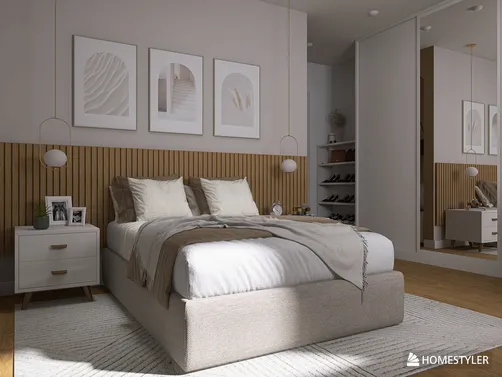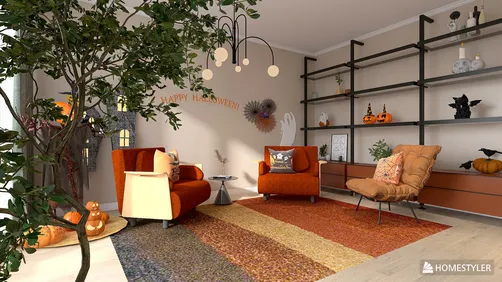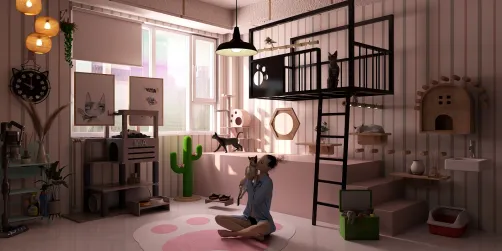
With more than ten years of experience as an interior designer, I've come to realize that children's rooms are a canvas for creativity. In particular, within smaller spaces, every element—including curtains—can dramatically enhance the overall ambiance. Today, I'm excited to share 10 innovative curtain ideas for kids' rooms that marry functionality with style and a sprinkle of magic, inspired by my personal projects and backed by professional insights.
1. Fun Patterned Curtains
My Experience: In one of my early projects, I dressed a toddler’s room with vivid animal patterns, and it quickly became the standout feature. Children thrive on visual stimulation, and curtains are a simple yet effective way to introduce it.
Advantages: Infuses character; easily replaced as your child matures. Studies suggest that patterned curtains can ignite a child's imagination (American Academy of Pediatrics).
Disadvantages: They may overwhelm if paired with an already vibrant room. Some designs may become outdated quickly.
Advice: Opt for washable materials for hassle-free upkeep—believe me, sticky fingers are a given!
2. Sheer Curtains That Filter Light
My Experience: I often incorporate sheer curtains into play areas, creating a soft, ethereal light that calms the environment without making it dim.
Benefits: Preserves brightness; softens direct sunlight, safeguarding furniture and toys.
Drawbacks: They provide minimal privacy in rooms that are visible to neighbors.
If you appreciate balancing aesthetics with practicality, consider exploring minimalist kitchen storage designs that could inspire your curtain organization.
3. Blackout Curtains for Optimal Sleep
My Experience: I’ve lost count of the parents who expressed gratitude after installing blackout curtains in their children's rooms—sleeping patterns improved drastically.
Advantages: Blocks out 90-100% of brightness; perfect for afternoon naps and early bedtimes; aids in maintaining indoor temperature.
Disadvantages: They can darken a room more than desired during daylight hours. Sheer curtains may need to accompany them for versatility.
Cost Estimate: Quality blackout curtains generally range from $50 to $100 per window.
4. Creative Chalkboard Curtains
My Experience: This approach is a real winner for artistic kids. I once created curtain panels from chalkboard fabric for a playroom, and the kids were endlessly entertained.
Advantages: Serves dual purposes—a window covering and a space for creativity; promotes drawing without damaging walls.
Disadvantages: Slightly heavier; not suitable for very young children who may chew on or tug them.
5. Layered Curtain Combinations
My Experience: I enjoy pairing sheer curtains with blackout drapes to create flexibility. This strategy works effectively in spaces that require both light and privacy management.
Pros: Offers adjustable light control; layering introduces texture and visual depth.
Cons: Higher costs due to the dual fabric; may necessitate more robust curtain rods.
Layering is analogous to utilizing an L-shaped kitchen layout to maximize counter space—intelligent, space-saving solutions that perform effectively for you.
6. Floor-to-Ceiling Draperies
My Experience: In smaller rooms, I like to extend curtains from ceiling to floor to create an illusion of increased height—a designer technique useful in compact urban apartments.
Advantages: Visually expands the space; adds sophistication even in casual settings.
Cons: Increased fabric comes at a higher cost; may not be ideal if your child enjoys playing with or hiding behind curtains.
7. Tie-Up Roman Shades
My Experience: Roman shades featuring playful prints are a stylish alternative to traditional swinging panels, particularly in limited spaces.
Pros: Conserves floor space; straightforward to adjust for light and privacy needs.
Cons: Limited selections for blackout options; may require more frequent cleaning in dust-prone areas.
8. Themed Curtains Enhancing Room Decor
My Experience: I once created a space-themed bedroom, and the rocket-print curtains harmonized perfectly with the theme. Kids love cohesive decor.
Advantages: Reinforces the room's theme; fosters a more immersive atmosphere.
Disadvantages: Interests can shift quickly—what captivates your child now may be forgotten in a year.
You can cultivate equally cohesive design narratives in other areas of your home, like how wooden accents can infuse warmth into living spaces.
9. Eco-Friendly Organic Cotton Curtains
My Experience: More parents are leaning towards sustainable options, making organic cotton curtains a trending choice.
Benefits: Non-toxic and safe; breathable for sensitive skin.
Disadvantages: Slightly pricier than synthetic options; can wrinkle easily.
10. Bold Color-Blocking for Stylish Impact
My Experience: I once experimented with a half-blue, half-yellow panel in a teen's room—delivering a modern feel that was invigorating yet balanced.
Advantages: Adds a graphic punch; can subtly coordinate with varied room colors.
Disadvantages: Requires precise sewing for neat lines; daring combinations may clash if not thoughtfully planned.
Summary
Regardless of size, kids’ rooms deserve curtains that are both whimsical and practical, achieving a balance between style and functionality. A small room isn’t a limitation; it invites more creative design possibilities, as highlighted by the American Society of Interior Designers in their guidelines for small spaces. Which of these curtain ideas would you like to implement in your child's room?
FAQ
1. What curtain types are best for children with allergies?
Organic cotton or hypoallergenic synthetic materials are optimal since they collect less dust and are easy to clean.
2. Are blackout curtains safe for a kid’s room?
Absolutely, provided they are securely installed and adhere to fire safety regulations. The Sleep Foundation advocates for blackout curtains to enhance sleep quality.
3. How do I choose colors that will age well with my child?
Select neutral bases complemented by colorful details, allowing for simple updates as their preferences evolve.
4. Which curtains are the easiest to care for?
Polyester blends are resilient, stain-resistant, and machine washable, rendering them a practical option.
5. Can curtains assist in noise reduction?
Yes, heavier curtains like velvet or lined drapes can help diminish noise, especially in urban settings.
6. Should kids’ curtains reach the floor?
Not always; in spaces used by very young children, shorter curtains can minimize tripping hazards.
7. How frequently should kids’ curtains be cleaned?
Every 3–6 months is advisable, or more often if they are situated in high-traffic areas.
8. What's a cost-effective method to refresh kids’ room curtains?
Incorporate tiebacks, trims, or layer with affordable sheer panels to rejuvenate the aesthetic without replacing the entire ensemble.
Homestyler is your go-to online home design platform! With its user-friendly design tool, stunning 3D renderings, and a wealth of inspiring design projects and video tutorials, you can effortlessly create and visualize your dream spaces—perfect for both beginners and seasoned designers alike!