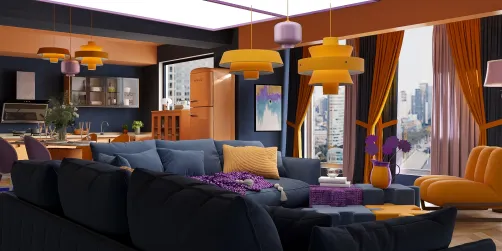
Having dedicated over ten years to redesigning compact living spaces, I've discovered that small areas present an incredible opportunity for innovation rather than serving as a constraint. Specifically, condo living rooms stand to gain tremendously from strategic planning coupled with a few thoughtfully selected style techniques. In this article, I will share ten effective condo living room concepts I've successfully implemented with clients, merging contemporary interior trends with comfortable, everyday functionality. One of my standout projects featured a minimalist storage design that truly opened up the room, showcasing the power of efficient design much like the resources offered by Homestyler.
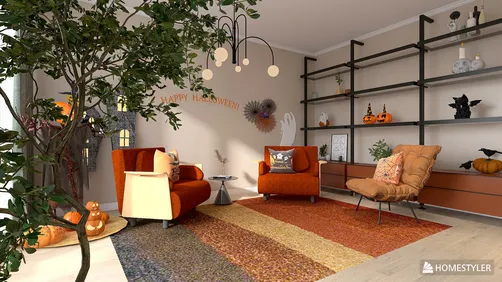
1. Sleek Floating Shelves
My Insight: In numerous condo projects, I've incorporated sleek floating shelves to maintain a streamlined look while enhancing vertical storage possibilities. One downtown condo saw its ceiling appear much higher thanks to this simple adjustment.
Benefits: They conserve floor space and are excellent for showcasing decor without overwhelming the area. These shelves beautifully complement neutral color themes, aligning with popular trends in small-space living rooms, as noted by Elle Decor.
Drawbacks: They aren't ideal for heavy items, and open surfaces necessitate regular upkeep to avoid clutter.
2. Glass Partitions for Enhanced Light
My Insight: Adding a sleek black-framed glass divider between living and kitchen areas transformed one client’s condo into a loft-like escape while preserving unobstructed light flow.
Benefits: This design maintains visual spaciousness while clearly defining different areas. It optimizes natural light, especially crucial for condos with a single main window wall.
Drawbacks: Custom solutions can be expensive to fabricate. Also, these partitions require regular cleaning to maintain their clarity.
3. Adaptable Modular Sofas
My Insight: In a compact 500 sq ft condo, a modular sofa proved invaluable—it could effortlessly be rearranged to accommodate guests or fitted more snugly when not in use.
Benefits: Its flexible design is perfect for hosting in smaller environments. Choosing armless variations can lighten the visual weight in the room.
Drawbacks: If not accurately sized, these sofas can appear bulkier than traditional ones. Pay attention to seat depth when dealing with limited space.
4. L-Shaped Layout for Optimal Corner Utilization
My Insight: Implementing an L-shaped arrangement in a petite living room helped utilize corners effectively, expanding both seating and counter areas. In one instance, we successfully integrated a desk into the same space, paralleling the space-maximizing advantages of L-shaped designs typically seen in kitchens.
Benefits: It cleverly utilizes forgotten corners and distinguishes between living and dining areas in open-plan layouts.
Drawbacks: It necessitates thoughtful planning for traffic patterns and can be unideal in layouts with awkward door placements.
5. Statement Rugs as Central Features
My Insight: In a particular project, replacing a small 4x6 rug with a vibrant 8x10 patterned piece created a more grounded and intentional atmosphere in the living area.
Benefits: Statement rugs inject personality and spatial definition without permanent installations. They can unify various furniture styles effectively.
Drawbacks: Larger area rugs can be costly, and overly intricate patterns may disrupt the overall balance of the decor.
6. Wall-Mounted TVs with Concealed Cables
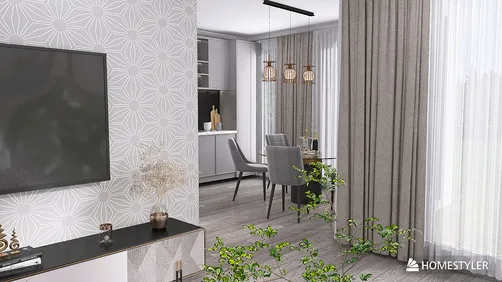
My Insight: Elevating the TV onto the wall frees up much-needed floor area and instills a polished look in the space. I particularly appreciate hiding the cables to maintain an uncluttered aesthetic.
Benefits: This setup fosters a sophisticated, modern vibe, advantageous for small living areas where every square foot counts.
Drawbacks: Installation can be challenging on concrete or brick walls, commonly found in urban condos.
7. Introducing Warmth with Wooden Accents
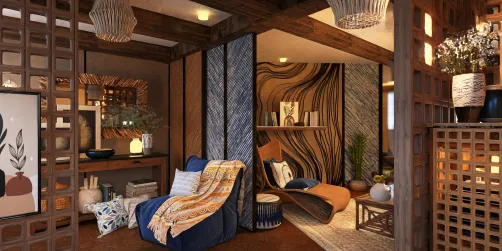
My Insight: In one stark white condo, we introduced oak shelves and a walnut coffee table, transforming the space from clinical to cozy while still preserving a modern edge. This reflects how wooden elements can create a warm ambiance across various settings.
Benefits: Wooden elements can add texture and warmth to cooler palettes, providing a natural touch that softens modern finishes.
Drawbacks: Natural wood is susceptible to scratching and requires upkeep to maintain its appearance.
8. Storage Ottomans with Multi-Functionality
My Insight: These versatile pieces are my go-to for condos—they offer storage space, additional seating, and can even serve as coffee tables when needed.
Benefits: This multi-use furniture keeps clutter concealed, making it perfect for those lacking extra storage options.
Drawbacks: If they are excessively large, they can obstruct movement; choosing appropriately sized shapes is essential for flow within the room.
9. Implementing Layered Lighting Schemes
My Insight: I consistently advocate for a blend of overhead, floor, and tabletop lighting in condos to create adaptable atmospheres and compensate for limited daylight.
Benefits: Customizable lighting enhances the ambiance for various occasions; layered lighting is a designer-preferred way to create the illusion of larger areas (Apartment Therapy).
Drawbacks: This setup may necessitate additional outlets and switches, so prior planning is essential.
10. Incorporating Mirrors for an Open Feel
My Insight: Positioning a large mirror opposite a window in one condo effectively doubled the perceived space and immediately enhanced brightness.
Benefits: Mirrors can create the illusion of a wider environment, reflecting light into darker corners.
Drawbacks: Careful placement is necessary to avoid causing awkward reflections, and substantial mirrors can be cumbersome to install.
Conclusion: Condo living rooms need not feel constricted—intelligent, layered design strategies can foster a luxurious and personalized atmosphere. As highlighted by Houzz, choosing furniture thoughtfully and implementing clever storage solutions are pivotal in unlocking the potential of small spaces. Which of these innovative condo living room suggestions would you consider adopting first?
FAQ
Q1: What color scheme works best for a compact condo living room?
A1: Light neutrals such as white, beige, and soft grey can visually expand the space, while introducing bursts of color in decor keeps it vibrant.
Q2: Is dark furniture suitable for a condo living room?
A2: Yes, but combining it with lighter walls and accents can prevent the area from feeling cramped.
Q3: How can I enhance storage in my living room?
A3: Utilizing multi-functional furnishings like storage ottomans and wall-mounted shelving is highly effective.
Q4: Is an open-plan layout advantageous for condos?
A4: Generally yes—this layout promotes greater light influx and flexible furniture arrangements, as per insights from the American Institute of Architects.
Q5: What strategies can help my condo living room appear larger?
A5: Utilize mirrors wisely, maintain proportionate furniture sizes, and uphold clear sight lines for a more spacious feel.
Q6: Do rugs play a vital role in small living rooms?
A6: Absolutely! Rugs offer spatial definition and character, particularly beneficial in open-plan condos.
Q7: What kind of lighting is most suitable for condos?
A7: Layered lighting—using a combination of ceiling, floor, and table lamps creates versatility in illumination.
Q8: Can I incorporate a feature wall in a condo?
A8: Certainly, consider removable wallpaper or a painted accent; this adds depth without permanent alteration.
Looking to transform your living space? Try Homestyler! This user-friendly online design platform offers powerful design tools, stunning 3D renderings, and a wealth of DIY video tutorials. Whether you're a novice or a pro, Homestyler makes bringing your home design dreams to life a breeze!