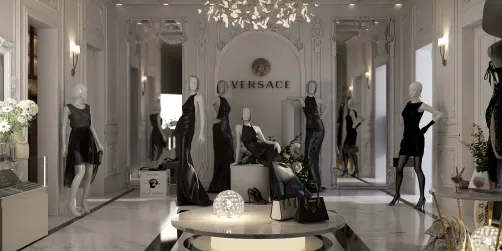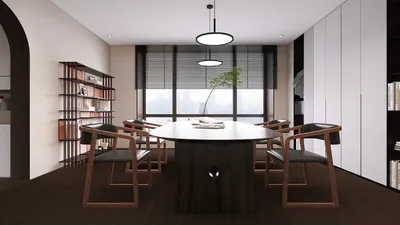
The hallway is frequently an underappreciated area in home design, yet it significantly influences the overall ambiance of your residence. In 2018, various design movements emerged to enhance functionality while boosting the visual appeal of hallways. Regardless of whether you possess a slender corridor or a spacious entryway, these trends can assist you in crafting a warm and stylish environment.
Integrated Storage Solutions
One prominent trend in 2018 was the emergence of integrated storage solutions. These designs are not only space-efficient but also present a streamlined, cohesive appearance. Built-in cabinets, shelves, and benches have the power to transform a hallway into a space where you can stow away shoes, bags, and other essentials.
Floor-to-ceiling storage units are particularly useful for maximizing vertical space, especially in compact homes. This design style enables you to generate substantial storage while maintaining an open and clutter-free floor area. When selecting materials, opt for durable choices such as plywood or MDF with a high-quality finish to endure everyday use.
When choosing built-in storage, prioritize materials that provide both resilience and aesthetic appeal. Plywood and engineered wood make fantastic options due to their durability and adaptability. Furthermore, using paint or laminate finishes that align with your overall interior design can enhance the visual coherence.
Floating storage units have surged in popularity in 2018, particularly within modern residences. They create a perception of more space and are easy to clean beneath, making them a fantastic option for tight hallways.
The strategic placement of floating cabinets is vital. Ensure they are mounted at a height that allows easy access, leaving ample space for decorative accents or lighting features below. This consideration not only uplifts the overall design but also maintains functionality.
Concealed desk cabinets have also emerged as an innovative trend in 2018. They offer a designated workspace without occupying additional floor space, making them ideal for smaller homes.
Multi-functional built-ins present multiple advantages, such as optimizing space and improving organization. However, it’s important to weigh potential drawbacks, such as the intricacies of installation and the necessity for accurate measurements to ensure a seamless fit.
Color Schemes and Finishes
Color choices significantly influence hallway design, especially in compact areas. In 2018, neutral palettes with vibrant accents became trendy, enabling homeowners to achieve a tasteful look without overwhelming the space.
Warm neutral tones such as beige, taupe, and soft greys create a hospitable environment. Pair these with striking accent colors, like navy blue or emerald green, to infuse your hallway with character.
Textured finishes—from wallpaper and wood paneling to decorative molding—can add dimension and interest to otherwise simple hallways. Consider these features when planning your space for a rich and inviting ambiance.
Illumination Solutions
Proper lighting is essential in hallway design. In 2018, layered lighting became a focal point, merging ambient, task, and accent lighting to enhance both functionality and aesthetics.
Pair overhead lighting with wall sconces and LED strips to establish a well-lit environment that enhances the design elements in your hallway. This approach not only brightens the area but also spotlights key features such as artwork or architectural details.
Frequently Asked Questions
Q: What colors best suit a compact hallway? A: Warm neutrals alongside vibrant accent colors can create a welcoming and stylish environment.
Q: What are effective methods to maximize storage in a narrow hallway? A: Explore built-in storage solutions like floating cabinets or hidden desk cabinets to save floor space while ensuring practicality.
Welcome to Homestyler, your go-to home design software!