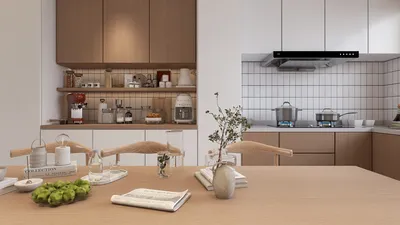


I once had a client express their vision for a hallway that should emanate a ‘runway’ vibe. To achieve this, I applied a striking white stripe along a charcoal corridor, and it transformed how guests walked throughout the evening. To prevent any unexpected surprises when the paintbrush hits the wall, I quickly sketch and create 3D mockups of these concepts. It’s fascinating how small spaces can ignite significant creativity; here, I share five practical inspirations for interior line painting that I incorporate into real projects, often utilizing tools like Homestyler.
1. Expanding a room visually with bold horizontal bands
I appreciate the effect of low-contrast horizontal bands when a space feels cramped. By adding a 20–30 cm stripe at eye level, we can trick the eyes into perceiving the walls as broader. This strategy is especially effective behind sofas or low storage solutions. The best part? You achieve dramatic results with little investment. However, aligning patterns across doors and radiators can be tricky, so it's essential to double-check measurements and caulk seams for a tidy finish.
save pin
2. Adding height with thin vertical rhythms
Incorporating thin vertical lines—typically 2–5 cm—can impart a rhythmic lift that makes ceilings appear higher. I applied this technique in a basement apartment to create the illusion of a loftier 8-foot ceiling. Choosing subtle colors (just one or two shades darker than the base) maintains elegance. This approach complements modern furnishings quite well, but be cautious of tight spacing in smaller rooms, as it may lead to a cluttered feel.
save pin
3. Infusing dynamic flow with diagonal sweeps
Diagonals are perfect for bringing a sense of movement to static areas. In a compact studio, I painted angled lines directing the eye toward the window, making the layout feel intentional. They add a playful touch, though they require meticulous taping and planning. Sometimes, I enhance my work with tools like Homestyler, utilizing hand-marked guides combined with digital AI suggestions to visualize the arrangement before committing.
save pin
4. Defining details with thin accent framing
One of my favorite budget-friendly luxuries involves outlining a doorway or a gallery wall with delicate 1–2 cm lines that mimic trim without needing carpentry. This is an effective method to elevate plain drywall into something tailored. The key is to use a steady hand or a laser level; while the payoff is significant, proper prepping and priming are crucial for crisp edges.
save pin
5. Creating practical sightlines in kitchens and workspaces
In kitchen areas, I often use painted sightlines to subtly guide traffic—like a slender stripe that aligns with countertop edges or drawer handles. This method effectively defines work zones and enhances flow without altering cabinetry. Precision is vital, so I recommend planning around plumbing and cabinetry designs. When executed correctly, it feels as if the room naturally knows how to function.
save pin
FAQ
Q: What exactly is interior line painting?
I refer to it as the technique of using painted stripes or linear accents to alter perceptions—whether to widen, raise, or guide the eye through a space. It serves as a graphic tool that combines nicely with furniture and finishes.
Q: How should I select the appropriate color contrast?
Opt for subtle contrasts for a sophisticated look (one or two shades apart) or a more pronounced contrast for bold statements. Always test samples on multiple walls and evaluate them at different times of day.
Q: What widths and spacings are optimal?
Generally, thin lines (1–5 cm) are great for rhythm, medium bands (15–30 cm) produce noticeable optical changes, while wider lines make strong statements. Always consider proportions based on ceiling height and furniture sizes.
Q: Can painted lines create an illusion of larger space?
Certainly—horizontal lines can widen spaces, vertical lines can elevate ceilings, and diagonal lines can add depth. The overall effect will depend on proportion and color; I like to create mockups before making a final decision.
Q: Which paint finish is advisable?
I typically recommend satin or eggshell finishes for walls, as they provide a balance between durability and a subtle sheen. According to Sherwin-Williams, satin finishes hold up well for cleaning and reflect light effectively on interior walls.
Q: Is this a project I can tackle myself?
Definitely—many homeowners can achieve this with quality painter’s tape, a laser level, and a steady roller. For complex angles or metallic finishes, I recommend hiring a professional to avoid expensive errors.
Q: How should I prepare a wall for clean lines?
Address any imperfections, sand the surface smooth, apply primer if necessary, and use fresh, low-tack painter’s tape. Ensure the tape edges are firmly pressed down, and remove it while the paint is still slightly tacky to prevent peeling.
Q: Where can I find ideas or previews of these concepts?
I explore catalogues, case studies, and render galleries to refine my ideas before actual implementation—observing the lines in context can save both time and resources on the rollout.
save pin
Discover your interior design potential with Homestyler! This user-friendly online platform offers an intuitive design tool, stunning 3D renderings, and an array of inspiring design projects. Plus, with helpful DIY video tutorials, transforming your space has never been easier. Start designing today!
Design Now for FREE
































